Fiordland National Park
🇳🇿 New Zealand
Oceania, New Zealand 319 spp. recorded
Fiordland National Park sits on the southwestern corner of New Zealand’s South Island, a maze of deep fjords, steep‑sided valleys and ancient temperate rainforest. Towering podocarp trees line moss‑covered tracks that wind past waterfalls and the rugged coastline.
-45.674° S 167.309° E
🦜 Nature

159 Species sighted
47,907 Verified sightings From 2019 to 2026
Jan Best month
⭐ Iconic Species




📊 Most Spotted




⭐ Iconic Species
📊 Most Spotted




⭐ Iconic Species
📊 Most Spotted
📊 Most Spotted


📊 Most Spotted
📊 Most Spotted


+ 203 more species with insufficient data
Recent sightings in Fiordland National Park
LIVEiNaturalistSighting Calendar
How many species you'd see in a day
45Jan
35Feb
30Mar
21Apr
21May
21Jun
20Jul
20Aug
23Sep
25Oct
32Nov
42Dec
Sighting Zones
Warmer areas are where all species together are recorded most often.
-
Milford Sound · Foreshore Trail






🏕️ Experience
Essentials
Climate
Temp °C Rain mm
JanFebMarAprMayJunJulAugSepOctNovDec
0.0 Moderate
Wallace's Line Score
How good is this park for seeing wildlife? 🦜
Biodiversity
GoodHow rich is the wildlife?
3.1
Species by taxon
🦅 Birds 231
🐒 Mammals 67
🦎 Reptiles 18
🐸 Amphibians 3
319 Total Species
828 Global average across 316 parks
65 Threatened 59 Endemic
🔭
Sighting
GoodHow likely to see animals?
2.4
🎯
Top-12 Avg Probability
58% 📊
Coverage (82 species at ≥5% of 319 in the inventory)
26% 🔀
Taxon variety in top 12 (11 bird, 1 mammal)
20% 🔭
Species per 10 outings (distinct species a visitor would meet over 10 outings — effort held equal across parks)
58 🌟
Iconic-group species (≥15%) (every species from the 19 iconic groups — monkeys, cats, toucans, macaws, sloths, crocodilians… — not just the 4 highlighted above)
5 ⭐
High-prob species (>40%)
14 🏕️
Experience
GoodHow easy and pleasant is the visit?
3.0
Climate Harsh Low
Entrance Free High
Tourism High Low
Trails Hard Low
World Heritage Yes Bonus
What visitors say
Once arriving, I was delighted to see my second wild weka!
Helpfully this was the only location where I could actually see wading birds, with a few Ruddy Turnstones trotting about in front of me.
We were visited by dolphins, saw a couple of young fur seals and just enjoyed the amazing scenery.
During the cruise, we encountered sea lions and dolphins, with a memorable moment when the boat stopped directly in front of a waterfall, allowing those inclined to experience its formidable power and even get soaked.
Before you go
What animals can you see in Fiordland National Park?
319 species
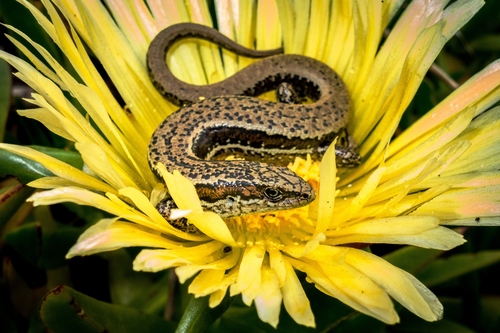
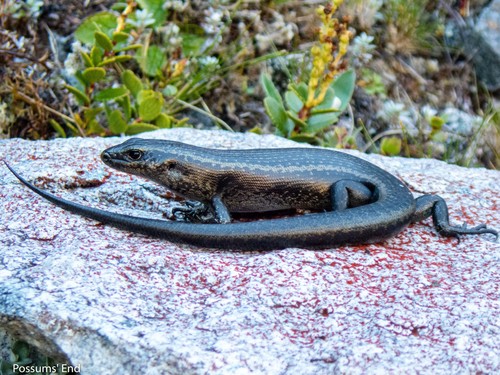
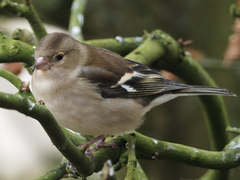
Fiordland National Park has 319 recorded vertebrate species. The ones wildlife watchers report most often on a given day are Chaffinch (about 70%), New Zealand Fantail (about 70%), New Zealand Bellbird (about 60%), Long-nosed Fur Seal (about 60%) and Tūī (about 60%). Among reptiles, the most-seen is Eyres skink (about 10%).
When is the best time to visit Fiordland National Park for wildlife?
November
In that month the park's 12 most-seen species average about 70% on a given day, against about 50% in February–April and July–August.
Can you see a Kea in Fiordland National Park?
Yes
About 40% of wildlife watchers report a Kea sighting in Fiordland National Park on a given day, based on 1,974 verified sightings from GBIF citizen-science data from 2019 to 2026. The best time is November (about 50%).
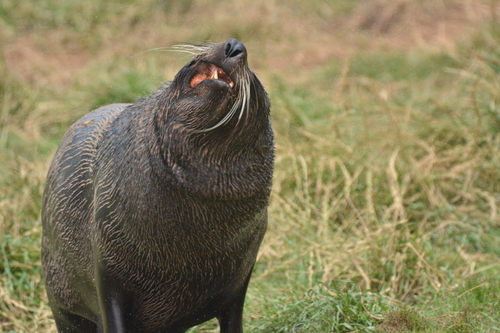
Can you see a Long-nosed Fur Seal in Fiordland National Park?
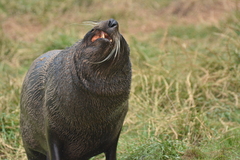
Yes
About 60% of wildlife watchers report a Long-nosed Fur Seal sighting in Fiordland National Park on a given day, based on 350 verified sightings from GBIF citizen-science data from 2019 to 2026. The best time is July (about 80%).
Can you see a Bottlenose Dolphin in Fiordland National Park?
Yes
About 40% of wildlife watchers report a Bottlenose Dolphin sighting in Fiordland National Park on a given day, based on 142 verified sightings from GBIF citizen-science data from 2019 to 2026. The best time is April–May, July and October (about 50%).
Can you see a New Zealand Kaka in Fiordland National Park?
Yes
About 30% of wildlife watchers report a New Zealand Kaka sighting in Fiordland National Park on a given day, based on 901 verified sightings from GBIF citizen-science data from 2019 to 2026. The best time is January and February (about 40%).
Where in Fiordland National Park is wildlife easiest to see?
Around Milford Sound · Foreshore Trail
The richest sighting zone is around Milford Sound · Foreshore Trail, followed by Mirror Lakes and Lake Gunn Nature Walk, ranked by how many of the park's headline animals visitors can expect to see in each. See the zones on the map.
Is Fiordland National Park good for wildlife watching?
2.6 out of 5
On the Wallace's Line Score, Fiordland National Park rates 2.6/5: 310th of 316 parks worldwide and 26th in Oceania. 19 of its species are reported by about 40% or more of wildlife watchers on a given day.


