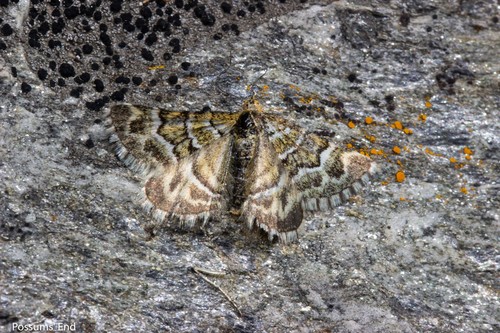
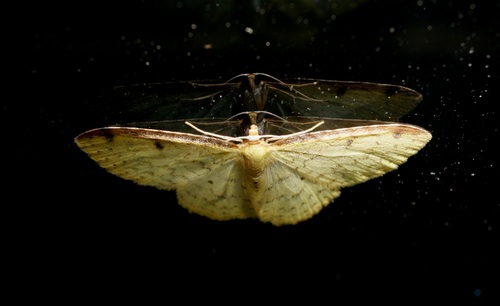
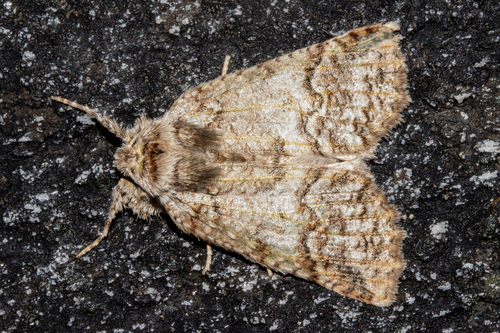
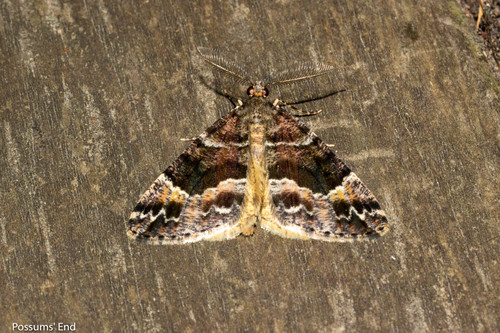
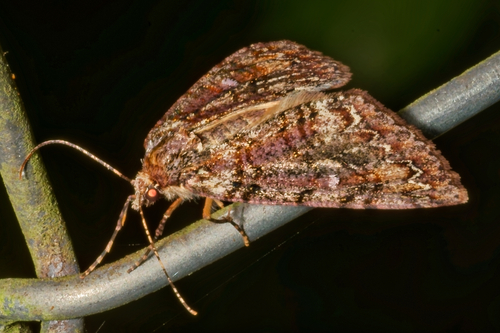
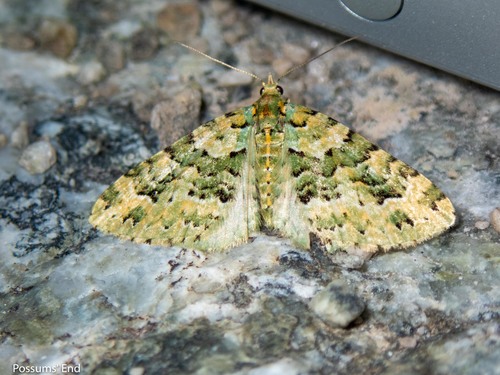
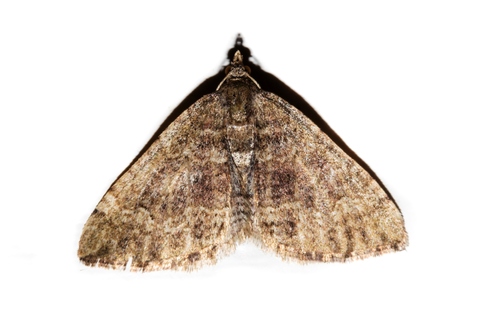
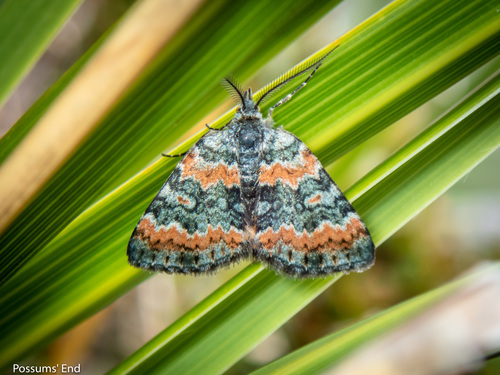
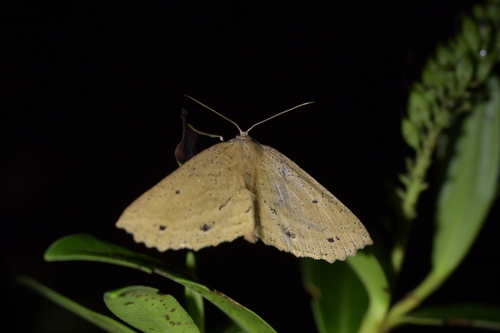
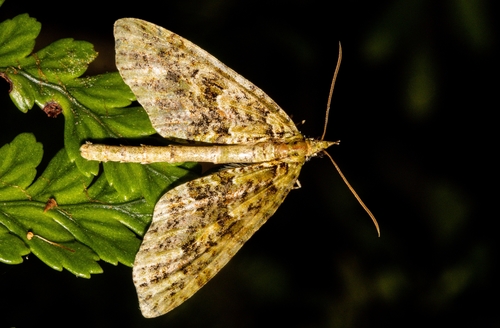
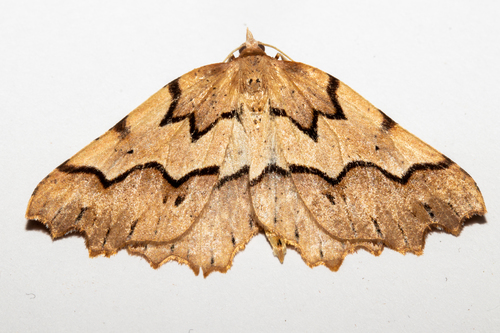
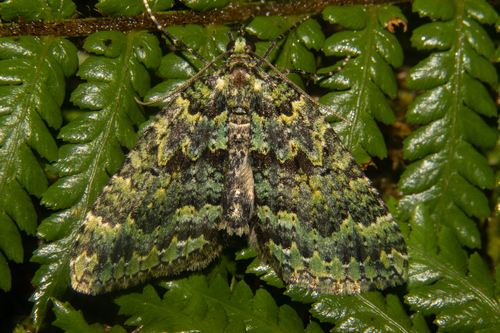
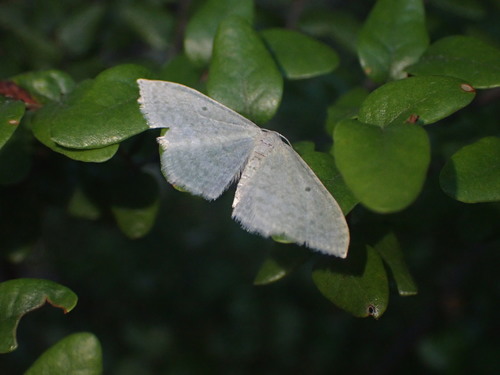
Notoreas paradelpha

Notoreas paradelpha

Notoreas paradelpha

Daily sighting probability ~10% · With luck
at Fiordland National Park

In 3 days ~20% in a week ~40%

19 Verified sightings at Fiordland National Park From 2019 to 2026
19 In 1 park
December Best month
☀️ Diurnal When it's spotted

About the Notoreas paradelpha

Notoreas paradelpha is a species of moth in the family Geometridae. It is endemic to New Zealand. This species was first described in 1883 by Edward Meyrick using material collected by him on Ben Lomond near Lake Wakatipu in December. He named the species Pasithea paradelpha. In 1884 Meyrick went on to give a more detailed description of the species. In 1886 Meyrick renamed the genus to which he had previously assigned this species and placed it within the genus Notoreas. George Hudson discussed and illustrated this species both in his 1898 book New Zealand Moths and Butterflies (Macro-lepidoptera) and in his 1928 book The Butterflies and Moths of New Zealand.

The genus Notoreas was reviewed in 1986 by R. C. Craw and the placement of this species within it was confirmed. However species within the genus Notoreas are currently regarded as being in need of revision. The lectotype specimen is held at the Natural History Museum, London.

Meyrick described the species as follows: Male. — 21-23 mm. Forewings moderate, costa straight, hindmargin rounded; dark fuscous, densely and finely strewn with yellowish and a few whitish scales; a curved cloudy whitish... Wikipedia →

Global Distribution

Parks Where Found

# Park Country Daily sighting probability
1 Fiordland National Park 🇳🇿 New Zealand
~10%

More parks will be added in future updates.

Before you go

What are the chances of seeing a Notoreas paradelpha in Fiordland National Park?

With luck

About 10% of wildlife watchers report a Notoreas paradelpha sighting in Fiordland National Park on a given day, based on 19 verified sightings from GBIF citizen-science data from 2019 to 2026. It is the 171st most-seen of the 201 insects we can rate there. Over three days the chance rises to about 20%, and over a week to about 40%, if each day is a fresh chance.

When is the best time to see a Notoreas paradelpha in Fiordland National Park?

December

In that month about 20% of wildlife watchers report a Notoreas paradelpha in Fiordland National Park on a given day, against under 5% in February to November, the lowest months.

What time of day is best to see a Notoreas paradelpha?

Between noon and 3 pm

Across all the parks we cover, that three-hour window holds the most Notoreas paradelpha sightings with a recorded time, and nearly all of them come between 6 am and 6 pm: it is a daytime animal.

Where else can you see a Notoreas paradelpha?

Only Fiordland National Park, in our data

Fiordland National Park is the only park on Wallace's Line with enough records to rate Notoreas paradelpha sightings: about 10% of wildlife watchers there report one on a given day.

Which relatives of the Notoreas paradelpha live in Fiordland National Park?

Same family: Geometridae

The closest relatives of the Notoreas paradelpha that you can see in Fiordland National Park (family Geometridae, Geometer Moths) are Lacebark Looper (about 20%), Forest Semilooper (about 20%) and Brown Forest Flash (about 20%), with each one's daily chance of a sighting.

Where does the Notoreas paradelpha sighting chance come from?

GBIF citizen-science records

It is estimated from how often the Notoreas paradelpha is recorded against all the insects logged in Fiordland National Park (19 verified sightings from 2019 to 2026), calibrated against known sighting rates. Figures are rounded to the nearest 10% because citizen-science data supports honest approximations, not decimals, and months with records from fewer than five people show "—". How it works.

← Back to Fiordland National Park