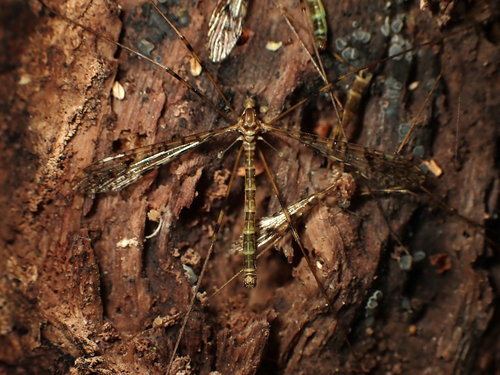
Striped Dung Fly

Striped Dung Fly

Oxysarcodexia varia

Daily sighting probability ~10% · With luck
at Fiordland National Park

In 3 days ~20% in a week ~40%

8 Verified sightings at Fiordland National Park From 2019 to 2026
19 In all 2 parks
February Best month
☀️ Diurnal When it's spotted

About the Striped Dung Fly

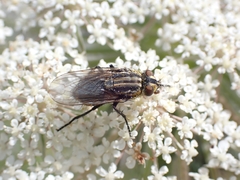
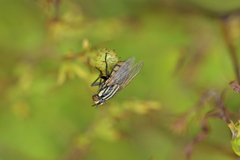
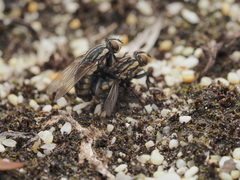
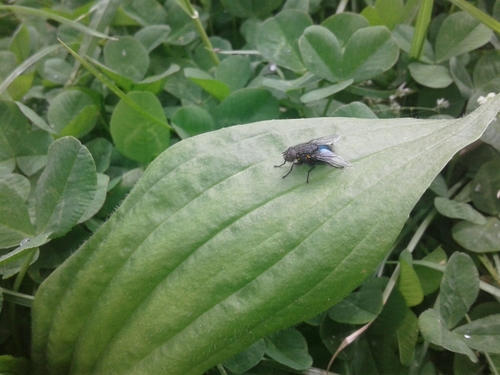
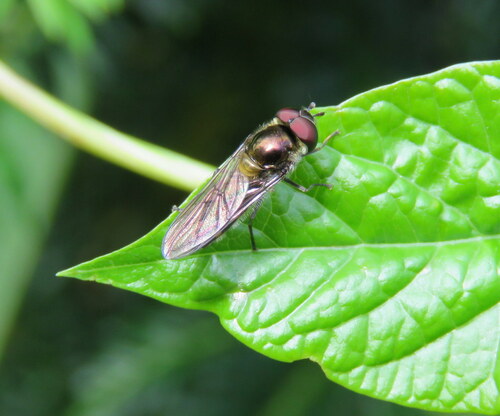
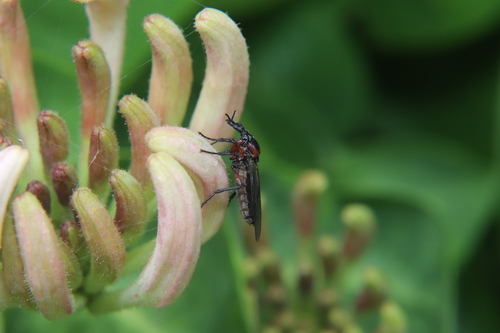
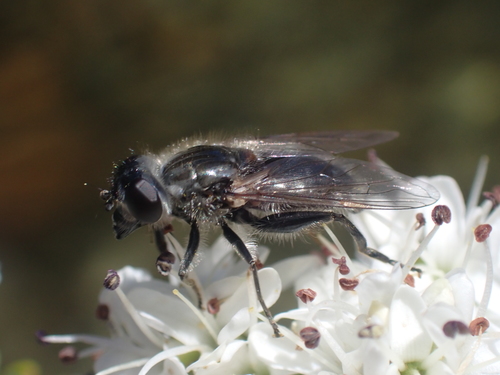
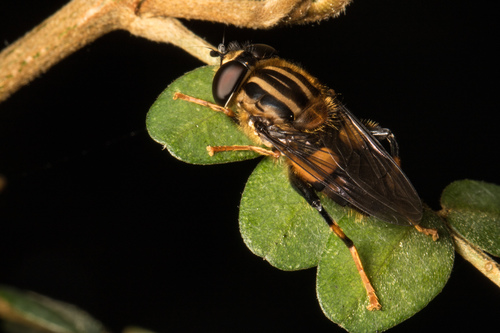
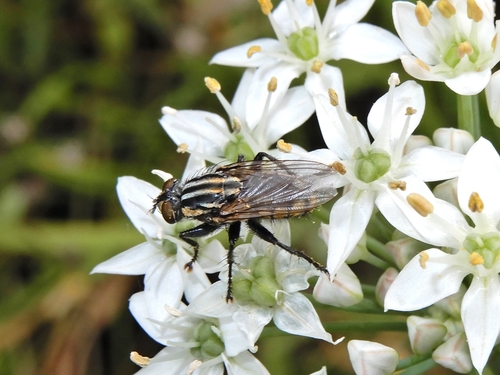
Oxysarcodexia varia, commonly known by the name striped dung fly, is a species of insect in the family Sarcophagidae. It is found in parts of South America, Polynesia, Norfolk Island, and New Zealand. The thorax of the fly is stripped from the head to tail with black and yellow stripes, the fly's legs are bristly and almost look fluffy. They look very much like the European flesh fly and share similar traits.

The Striped dung fly is considered to have originated South America and is now present across Oceania. It is found in Argentina, Brazil, Chile, Uruguay, Fiji, French Polynesia, Norfolk Island and New Zealand. The striped dung fly has been found throughout New Zealand and with a higher abundance of observations on the North Island. These sightings include Sutton Lake, Hurford, Otago, Kaikoura, Kerikeri, Tasman, Taranaki, Manawatū, Rotarua Island, Ruahine Ranges, Omaha Beach and Purakaunui.

The striped dung fly is found around the summer months and is commonly found in rubbish, long grasses and flowers. Their main habitat is open pastures and farms. This is due to the animal dung and... Wikipedia →
Global Distribution

Parks Where Found

# Park Country Daily sighting probability
1 Egmont National Park 🇳🇿 New Zealand
~10%
2 Fiordland National Park 🇳🇿 New Zealand
~10%

Cities Where Found

# City Country Daily sighting probability
1 Buenos Aires 🇦🇷 Argentina
<5%

Before you go

What are the chances of seeing a Striped Dung Fly in Fiordland National Park?

With luck

About 10% of wildlife watchers report a Striped Dung Fly sighting in Fiordland National Park on a given day, based on 8 verified sightings from GBIF citizen-science data from 2019 to 2026. It is the 108th most-seen of the 201 insects we can rate there. Over three days the chance rises to about 20%, and over a week to about 40%, if each day is a fresh chance.

When is the best time to see a Striped Dung Fly in Fiordland National Park?

February

In that month about 20% of wildlife watchers report a Striped Dung Fly in Fiordland National Park on a given day, against under 5% in April to January, the lowest months.

What time of day is best to see a Striped Dung Fly?

Between noon and 3 pm

Across all the parks we cover, that three-hour window holds the most Striped Dung Fly sightings with a recorded time, and about 9 in 10 of them come between 6 am and 6 pm: it is a daytime animal.

Is Fiordland National Park the best place to see a Striped Dung Fly?

Among the best

Of the 2 parks where we can rate Striped Dung Fly sightings, Fiordland National Park ranks 2nd at about 10%, level with the leaders once rounded. The best odds are in Egmont National Park (New Zealand, about 10%).

Which relatives of the Striped Dung Fly live in Fiordland National Park?

Same order: Diptera

The closest relatives of the Striped Dung Fly that you can see in Fiordland National Park (order Diptera, Flies) are New Zealand Glowworm (about 20%), New Zealand Blue Blowfly (about 10%) and Large Hover Fly (about 10%), with each one's daily chance of a sighting.

Where does the Striped Dung Fly sighting chance come from?

GBIF citizen-science records

It is estimated from how often the Striped Dung Fly is recorded against all the insects logged in Fiordland National Park (8 verified sightings from 2019 to 2026), calibrated against known sighting rates. Figures are rounded to the nearest 10% because citizen-science data supports honest approximations, not decimals, and months with records from fewer than five people show "—". How it works.

← Back to Fiordland National Park