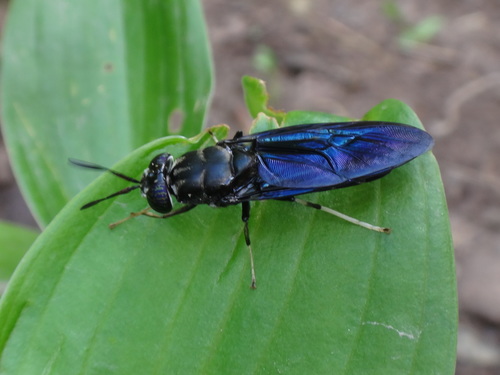
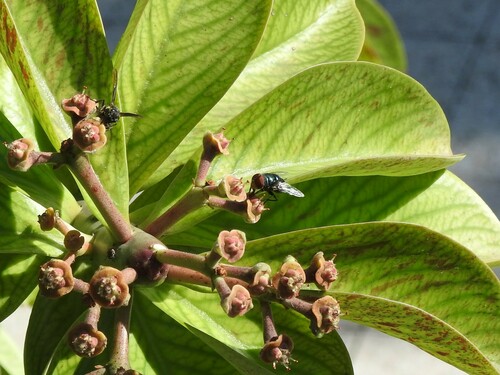
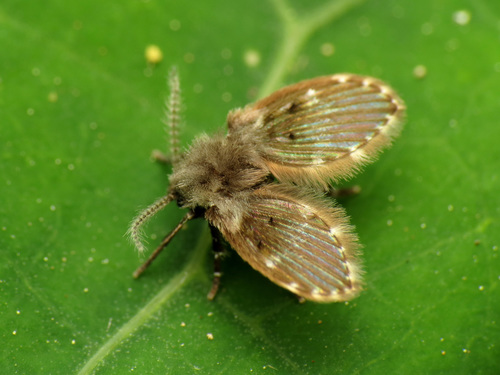
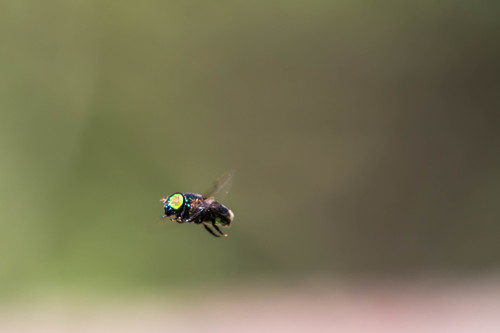
Yellow Fever Mosquito

Yellow Fever Mosquito

Aedes aegypti

Daily sighting probability <5% · Rare
at Galápagos Islands

In 3 days ~10% in a week ~20%

7 Verified sightings at Galápagos Islands From 2019 to 2026
32 In all 4 parks
July Best month
☀️ Diurnal When it's spotted

About the Yellow Fever Mosquito

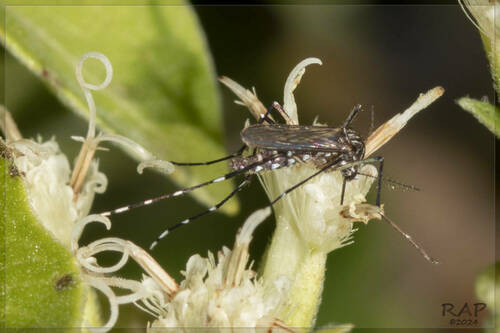
Aedes aegypti (US:; from Ancient Greek αηδής (aēdḗs) 'unpleasant' and Latin aegyptī 'Egyptian') – sometimes called the yellow fever mosquito – is a mosquito that spreads diseases such as dengue fever, yellow fever, and chikungunya. The mosquito can be recognized by black and white markings on its legs and a marking in the form of a lyre on the upper surface of its thorax. The mosquito is native to north Africa, but is now a common invasive species that has spread to tropical, subtropical, and temperate regions throughout the world. It was spread to the New World through the slave trade, and is considered to be among the most widespread mosquito species.

Aedes aegypti is a 4-to-7-millimetre-long (5⁄32 to 35⁄128 in), dark mosquito which can be recognized by white markings on its legs and a marking in the form of a lyre on the upper surface of its thorax. Females are larger than males. Microscopically females possess small palps tipped with silver or white scales, and their antennae have sparse short hairs, whereas those of males are feathery. Aedes aegypti can be confused with Aedes albopictus without a magnifying glass: the latter have a white stripe on the top of... Wikipedia →

Global Distribution

Parks Where Found

# Park Country Daily sighting probability
1 Addo Elephant National Park 🇿🇦 South Africa
~10%
2 Parque Natural Metropolitano 🇵🇦 Panama
<5%
3 Garden Route National Park 🇿🇦 South Africa
<5%
4 Galápagos Islands 🇪🇨 Ecuador
<5%

Cities Where Found

# City Country Daily sighting probability
1 Ciudad Juárez 🇲🇽 México
~10%
2 León 🇲🇽 México
~10%
3 Recife 🇧🇷 Brazil
~10%
4 Manaus 🇧🇷 Brazil
~10%
5 Kaohsiung 🇹🇼 Taiwan
~10%
6 Montevideo 🇺🇾 Uruguay
~10%
7 Monterrey 🇲🇽 México
~10%
8 Nairobi 🇰🇪 Kenya
~10%
9 Pretoria 🇿🇦 South Africa
~10%
10 Torreón 🇲🇽 México
~10%

Before you go

What are the chances of seeing a Yellow Fever Mosquito in Galápagos Islands?

Rare

Under 5% of wildlife watchers report a Yellow Fever Mosquito sighting in Galápagos Islands on a given day, based on 7 verified sightings from GBIF citizen-science data from 2019 to 2026. It is the 68th most-seen of the 83 insects we can rate there. Over three days the chance rises to about 10%, and over a week to about 20%, if each day is a fresh chance.

When is the best time to see a Yellow Fever Mosquito in Galápagos Islands?

January and July–August

In those months about 10% of wildlife watchers report a Yellow Fever Mosquito in Galápagos Islands on a given day, against under 5% in February–June and September–December, the lowest months.

What time of day is best to see a Yellow Fever Mosquito?

Between 1 and 4 pm

Across all the parks we cover, that three-hour window holds the most Yellow Fever Mosquito sightings with a recorded time, and about 8 in 10 of them come between 6 am and 6 pm: it is a daytime animal.

Which relatives of the Yellow Fever Mosquito live in Galápagos Islands?

Same order: Diptera

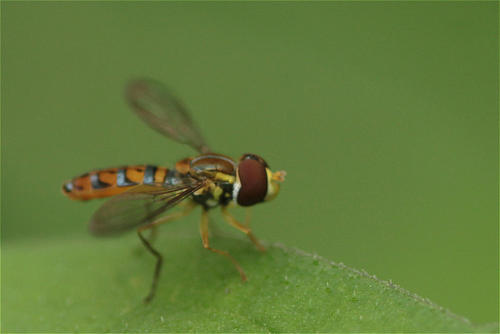
The closest relatives of the Yellow Fever Mosquito that you can see in Galápagos Islands (order Diptera, Flies) are Toxomerus crockeri (about 10%) and Tabanus vittiger (about 10%), with each one's daily chance of a sighting.

Where does the Yellow Fever Mosquito sighting chance come from?

GBIF citizen-science records

It is estimated from how often the Yellow Fever Mosquito is recorded against all the insects logged in Galápagos Islands (7 verified sightings from 2019 to 2026), calibrated against known sighting rates. Figures are rounded to the nearest 10% because citizen-science data supports honest approximations, not decimals, and months with records from fewer than five people show "—". How it works.

← Back to Galápagos Islands