








All 4 in 3 days here: ~80%
Galápagos Islands
🇪🇨 Ecuador
Galápagos, Ecuador 388 spp. recorded
Nowhere else do wild animals ignore people so completely. Galápagos sea lions lie on the landings on virtually every visit, marine iguanas — the only lizard in the world that feeds in the sea — pack the black rock on nineteen visits in twenty.
0.138° N 90.629° W
🦜 Nature

233 Species sighted
264,973 Verified sightings From 2019 to 2026
Jun Best month
⭐ Iconic Species
📊 Most Spotted
⭐ Iconic Species
📊 Most Spotted
📊 Most Spotted
⭐ Iconic Species
📊 Most Spotted
📊 Most Spotted
📊 Most Spotted
🌙 Most active after dark
+ 198 more species with insufficient data
Challenges you can complete here

All 5 in 3 days here: ~70%


All 2 in 3 days here: ~30%

All 5 in 3 days here: ~50%
Recent sightings in Galápagos Islands
LIVEiNaturalistSighting Calendar
How many species you'd see in a day
39Jan
39Feb
41Mar
40Apr
40May
42Jun
41Jul
39Aug
38Sep
40Oct
41Nov
37Dec
Sighting Zones
Warmer areas are where all species together are recorded most often.
-
Española · Punta Suárez
Daily sight. prob.vs avg -
Santa Cruz · Estación Científica Charles Darwin
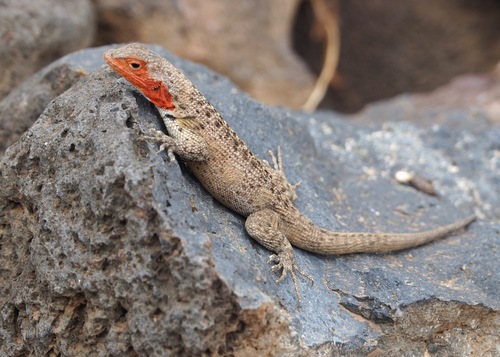
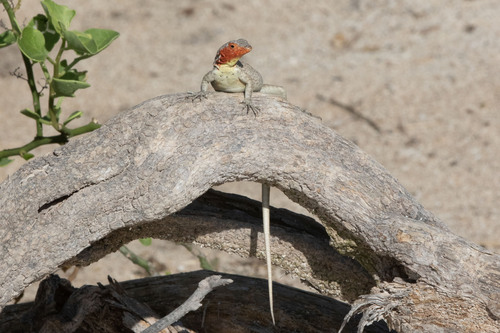
Daily sight. prob.vs avg Santa Cruz Lava Lizard~90%+40%
 Galapagos Sealion~90%+10%
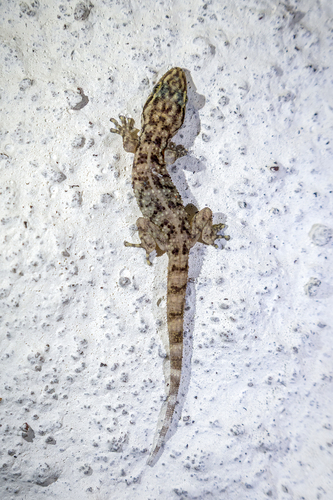
 Mourning Gecko~70%+40%
 Yellow Warbler~60%-30%
 Marine Iguana~50%-30%
 Galápagos Mockingbird~50%≈
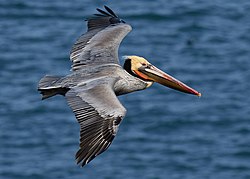 Brown Pelican~50%-30%
 Small Ground-Finch~50%-30%
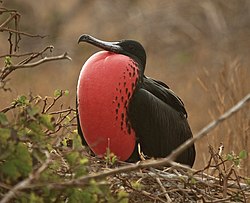 Magnificent Frigatebird~40%-30%
 Galápagos Giant Tortoise~40%≈
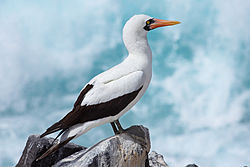
 Blue-footed Booby~30%-50%
 Smooth-billed Ani~30%-20%
-
Santa Cruz · Los Gemelos (senderos y alrededores)
Daily sight. prob.vs avg- Marine Iguana~90%+10%
- Galápagos Giant Tortoise~80%+30%
- Small Ground-Finch~70%-10%
- Yellow Warbler~60%-20%
 Indefatigable Island Giant Tortoise~50%+10%
 Green Sea Turtle~40%-20%
- Mourning Gecko~40%≈
- Galapagos Sealion~40%-40%
- Santa Cruz Lava Lizard~40%-20%
- Galápagos Mockingbird~30%-20%
- Smooth-billed Ani~30%-20%
 Fowler's Snouted Tree Frog~30%+10%
-
San Cristóbal · Playa Mann y alrededores
Daily sight. prob.vs avg- Galapagos Sealion>90%+20%
- Blue-footed Booby~60%-30%
- Yellow Warbler~60%-30%
- Magnificent Frigatebird~50%-20%
- Brown Pelican~50%-30%
- Small Ground-Finch~50%-20%
- Mourning Gecko~50%+10%
- Marine Iguana~40%-40%
 San Cristobal Lava Lizard~40%-10%
 Striated Heron~30%-30%
- Smooth-billed Ani~30%-20%
 Elliot's Storm Petrel~20%-30%
-
Baltra · Aeropuerto (GPS) y alrededores
Daily sight. prob.vs avg- Santa Cruz Lava Lizard~90%+40%
 Common Land Iguana~80%+20%
- Galapagos Sealion~70%-10%
- Small Ground-Finch~60%-20%
- Marine Iguana~50%-30%
- Green Sea Turtle~40%-10%
- Magnificent Frigatebird~40%-40%
- Brown Pelican~40%-50%
 Brown Noddy~30%-30%
- Blue-footed Booby~30%-50%
- Elliot's Storm Petrel~20%-30%
- Indefatigable Island Giant Tortoise~20%-20%


🏕️ Experience
Essentials
Climate
Temp °C Rain mm
JanFebMarAprMayJunJulAugSepOctNovDec
0.0 Excellent
Wallace's Line Score
How good is this park for seeing wildlife? 🦜
Biodiversity
GoodHow rich is the wildlife?
3.6
Species by taxon
🦅 Birds 233
🐒 Mammals 74
🦎 Reptiles 56
🐸 Amphibians 2
🦈 Sharks & Rays 23
388 Total Species
828 Global average across 316 parks
61 Threatened 78 Endemic
🔭
Sighting
Very goodHow likely to see animals?
3.9
🎯
Top-12 Avg Probability
74% 📊
Coverage (118 species at ≥5% of 388 in the inventory)
30% 🔀
Taxon variety in top 12 (7 bird, 3 elasmobranch, 1 reptile, 1 mammal)
78% 🔭
Species per 10 outings (distinct species a visitor would meet over 10 outings — effort held equal across parks)
62 🌟
Iconic-group species (≥15%) (every species from the 19 iconic groups — monkeys, cats, toucans, macaws, sloths, crocodilians… — not just the 4 highlighted above)
9 ⭐
High-prob species (>40%)
30 🏕️
Experience
Very goodHow easy and pleasant is the visit?
4.3
Climate Pleasant High
Entrance Paid Low
Tourism High Low
Trails Easy High
World Heritage Yes Bonus
What visitors say
Other than tropical fish, things we spotted while snorkelling included: sea lions, green sea turtles, penguins, flightless cormorants, pelicans, sharks and rays.
I could see dozens of two foot long Blacktip Reef Sharks circling in the water, along with Spotted Eagle Rays, big and small, and Galapagos Green Sea Turtles, munching on leaves blown in by the wind.
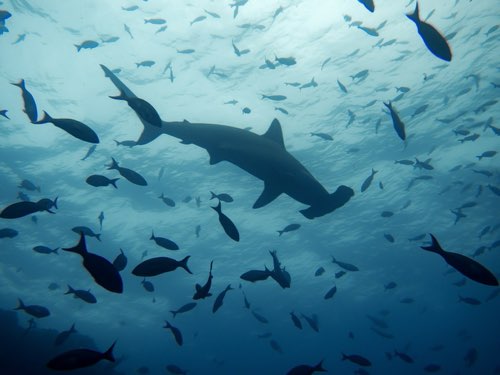
We saw 15 scalloped hammerhead sharks (Sphyrna lewini), Galápagos sharks (Carcharhinus galapagensis), Pacific spotted eagle rays (Aetobatus laticeps), and four Japanese devil rays (Mobula japanica).
Refreshments awaited us at the ship’s basecamp after each activity At midday Steve went deep-water snorkeling and was thrilled to see sharks, turtles, penguins, sea lions and huge schools of fish during his adventures: While the morning zodiac ride was exciting, our afternoon trip at Punta Moreno kicked it up a notch.
Before you go
What animals can you see in Galápagos Islands?
388 species
Galápagos Islands has 388 recorded vertebrate species. The ones wildlife watchers report most often on a given day are Brown Pelican (about 80%), Yellow Warbler (about 80%), Blue-footed Booby (about 80%), Marine Iguana (about 80%) and Galapagos Sealion (about 80%). Among amphibians, the most-seen is Fowler's Snouted Tree Frog (about 10%).
When is the best time to visit Galápagos Islands for wildlife?
January, March–August and October–November
In those months the park's 12 most-seen species average about 80% on a given day, against about 70% in February, September and December.
Can you see a Marine Iguana in Galápagos Islands?
Yes
About 80% of wildlife watchers report a Marine Iguana sighting in Galápagos Islands on a given day, based on 5,791 verified sightings from GBIF citizen-science data from 2019 to 2026.
Can you see a Galápagos Giant Tortoise in Galápagos Islands?
Yes
About 50% of wildlife watchers report a Galápagos Giant Tortoise sighting in Galápagos Islands on a given day, based on 1,312 verified sightings from GBIF citizen-science data from 2019 to 2026. The best time is May (about 60%).
Can you see a Galapagos Sealion in Galápagos Islands?
Yes
About 80% of wildlife watchers report a Galapagos Sealion sighting in Galápagos Islands on a given day, based on 5,078 verified sightings from GBIF citizen-science data from 2019 to 2026.
Can you see a Common Land Iguana in Galápagos Islands?
Yes
About 60% of wildlife watchers report a Common Land Iguana sighting in Galápagos Islands on a given day, based on 1,674 verified sightings from GBIF citizen-science data from 2019 to 2026. The best time is June–August and November–January (about 60%).
Where in Galápagos Islands is wildlife easiest to see?
Around Española · Punta Suárez
The richest sighting zone is around Española · Punta Suárez, followed by Santa Cruz · Estación Científica Charles Darwin and Santa Cruz · Los Gemelos (senderos y alrededores), ranked by how many of the park's headline animals visitors can expect to see in each. See the zones on the map.
Is Galápagos Islands good for wildlife watching?
3.9 out of 5
On the Wallace's Line Score, Galápagos Islands rates 3.9/5: 124th of 316 parks worldwide and 18th in South America. 38 of its species are reported by about 40% or more of wildlife watchers on a given day.