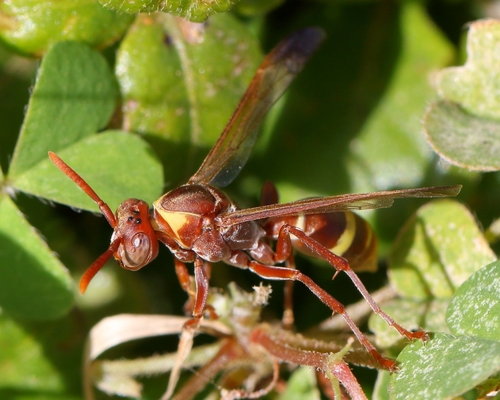
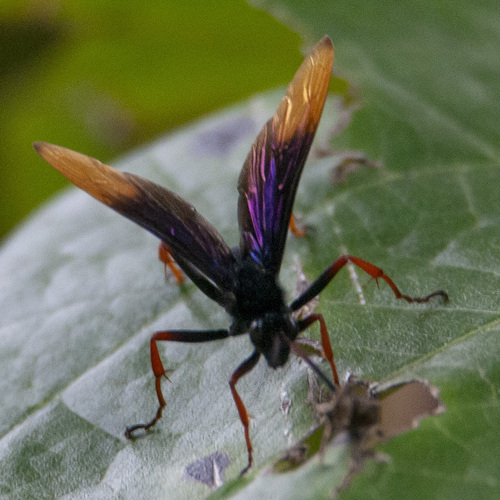
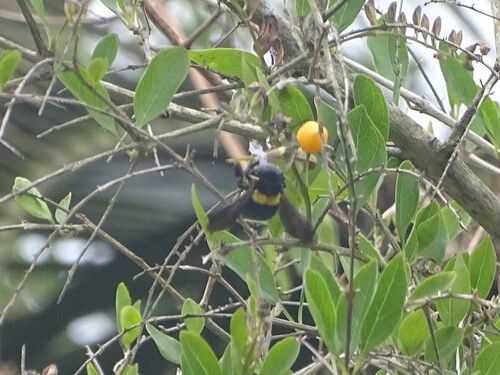
African Big-Headed Ant

African Big-Headed Ant

Pheidole megacephala

Daily sighting probability ~10% · With luck
at Garden Route National Park

In 3 days ~20% in a week ~30%

14 Verified sightings at Garden Route National Park From 2019 to 2026
80 In all 4 parks
October Best month
☀️ Diurnal When it's spotted

About the African Big-Headed Ant

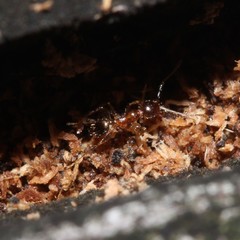
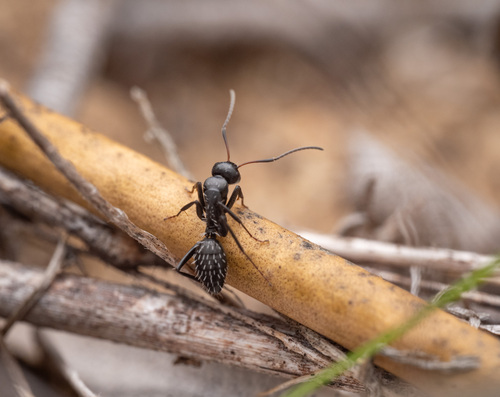
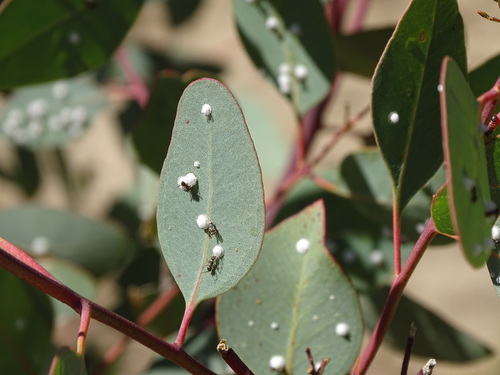
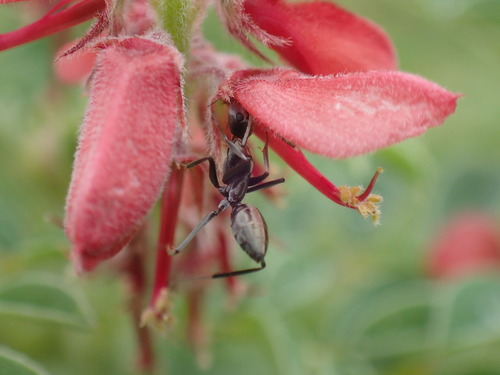
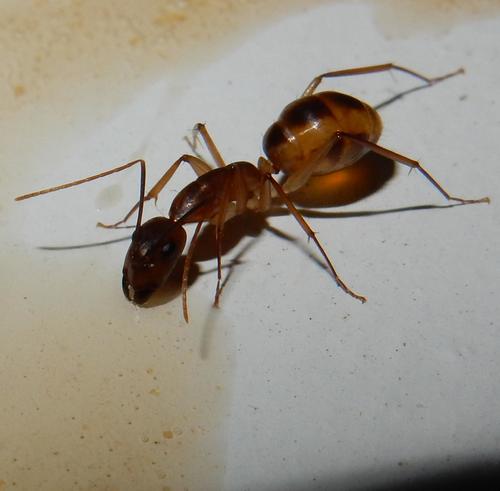
Pheidole megacephala is a species of ant in the subfamily Myrmicinae. It is commonly known as the big-headed ant in the US and the coastal brown ant in Australia. It is a very successful invasive species and is considered a danger to native ants in Australia and other places. It is regarded as one of the world's worst invasive ant species.

Pheidole megacephala was described from a specimen from the island of Mauritius by the entomologist Johan Christian Fabricius in 1793, although a 1775 record exists for Egypt, under the name Formica edax. Regardless of its African origin, big-headed ants have since spread to many tropical and subtropical parts of the world.

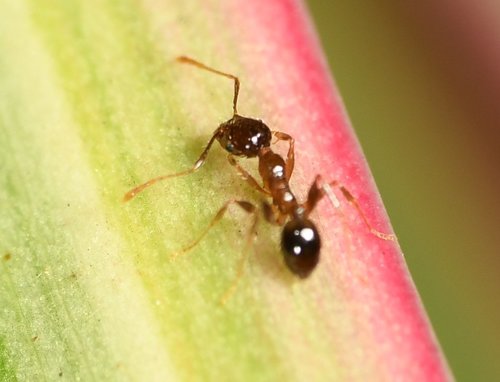
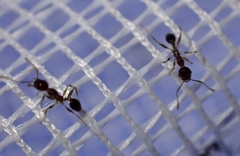
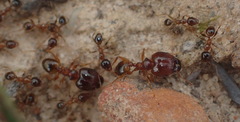
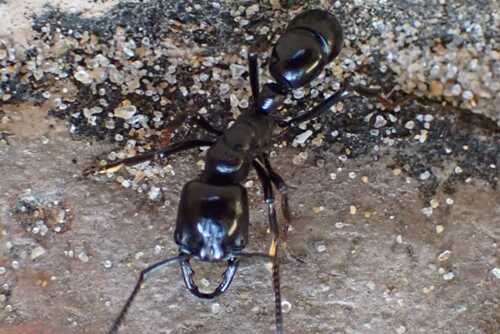
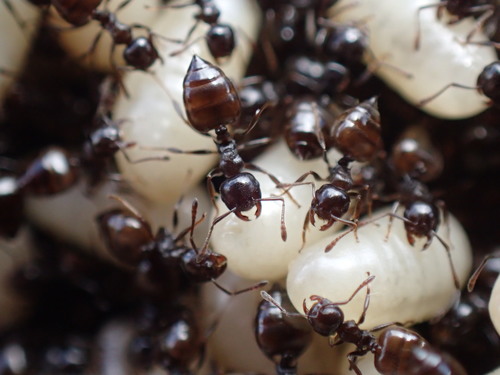
There are two castes (types) of worker ants, the major worker and the minor worker. The common name of bigheaded ant derives from the major worker's disproportionately large head. Major workers are not primarily involved in defence like soldiers of other ant species. They have thick and powerful mandibles which they use to crush seeds and cut up other larger pieces of food for the smaller and more numerous minor workers to transport back to the nest. The major workers are about four millimetres... Wikipedia →

Global Distribution

Parks Where Found

# Park Country Daily sighting probability
1 iSimangaliso Wetland Park 🇿🇦 South Africa
~10%
2 Daintree National Park 🇦🇺 Australia
~10%
3 Garden Route National Park 🇿🇦 South Africa
~10%
4 Table Mountain National Park 🇿🇦 South Africa
~10%

Cities Where Found

# City Country Daily sighting probability
1 Brisbane 🇦🇺 Australia
~10%
2 Perth 🇦🇺 Australia
~10%
3 Miami 🇺🇸 United States
~10%
4 Cape Town 🇿🇦 South Africa
~10%
5 Pretoria 🇿🇦 South Africa
~10%
6 Orlando 🇺🇸 United States
<5%
7 Sydney 🇦🇺 Australia
<5%
8 Auckland 🇳🇿 New Zealand
<5%
9 Paris 🇫🇷 France
<5%
10 San Diego 🇺🇸 United States
<5%

Before you go

What are the chances of seeing an African Big-Headed Ant in Garden Route National Park?

With luck

About 10% of wildlife watchers report an African Big-Headed Ant sighting in Garden Route National Park on a given day, based on 14 verified sightings from GBIF citizen-science data from 2019 to 2026. It is the 142nd most-seen of the 298 insects we can rate there. Over three days the chance rises to about 20%, and over a week to about 30%, if each day is a fresh chance.

When is the best time to see an African Big-Headed Ant in Garden Route National Park?

April–May and September–October

In those months about 10% of wildlife watchers report an African Big-Headed Ant in Garden Route National Park on a given day, against under 5% in June–August and November–March, the lowest months.

What time of day is best to see an African Big-Headed Ant?

Between 2 and 5 pm

Across all the parks we cover, that three-hour window holds the most African Big-Headed Ant sightings with a recorded time, and about 8 in 10 of them come between 6 am and 6 pm: it is a daytime animal.

Is Garden Route National Park the best place to see an African Big-Headed Ant?

Among the best

Of the 4 parks where we can rate African Big-Headed Ant sightings, Garden Route National Park ranks 3rd at about 10%, level with the leaders once rounded. The best odds are in iSimangaliso Wetland Park (South Africa, about 10%) and Daintree National Park (Australia, about 10%).

Which relatives of the African Big-Headed Ant live in Garden Route National Park?

Same family: Formicidae

The closest relatives of the African Big-Headed Ant that you can see in Garden Route National Park (family Formicidae, Ants) are Hairy Sugar Ant (about 10%), Ringbum Millipede Muncher Ant (about 10%) and Black Cocktail Ant (about 10%), with each one's daily chance of a sighting.

Where does the African Big-Headed Ant sighting chance come from?

GBIF citizen-science records

It is estimated from how often the African Big-Headed Ant is recorded against all the insects logged in Garden Route National Park (14 verified sightings from 2019 to 2026), calibrated against known sighting rates. Figures are rounded to the nearest 10% because citizen-science data supports honest approximations, not decimals, and months with records from fewer than five people show "—". How it works.

← Back to Garden Route National Park