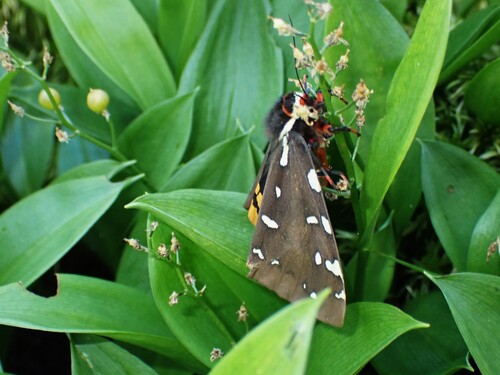
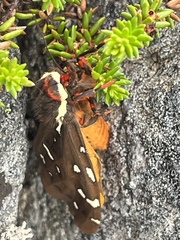
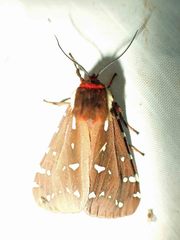
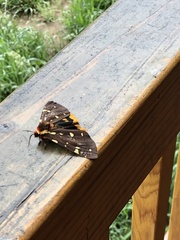

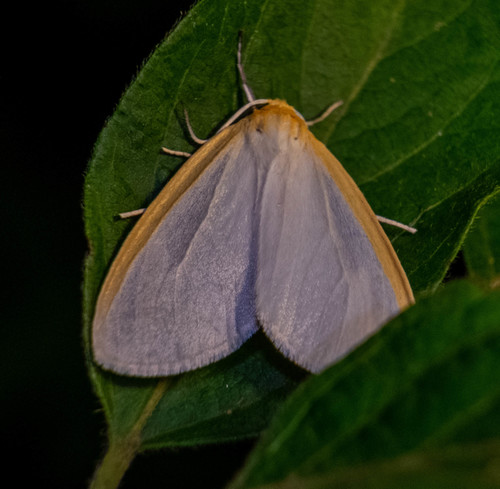
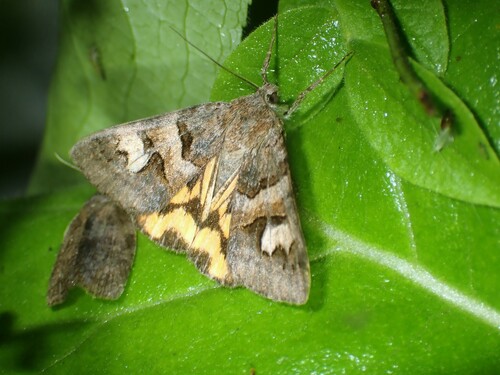
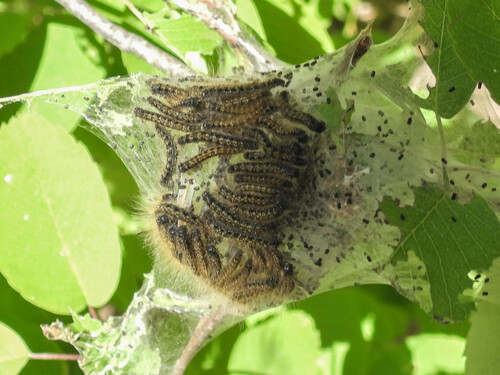
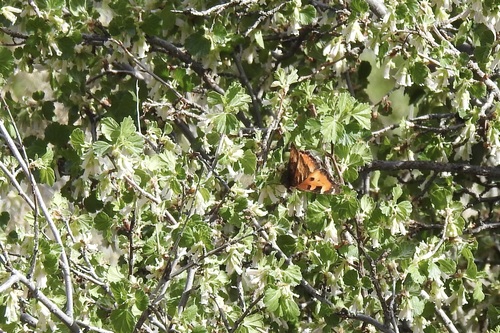
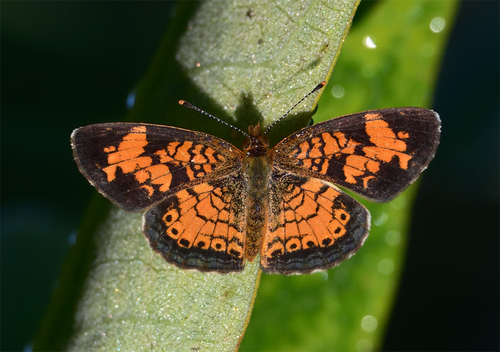
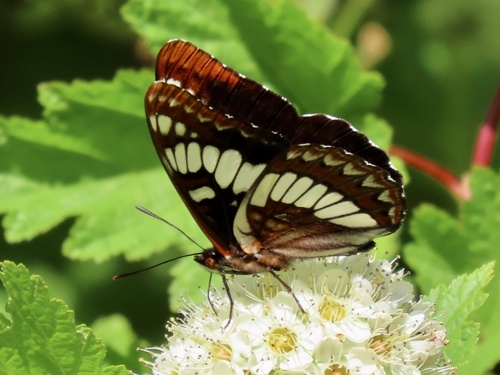

St. Lawrence Tiger Moth

St. Lawrence Tiger Moth

Arctia parthenos

Daily sighting probability ~10% · With luck
at Glacier National Park

In 3 days ~20% in a week ~40%

8 Verified sightings at Glacier National Park From 2019 to 2026
97 In all 6 parks
May Best month
☀️ Diurnal When it's spotted

About the St. Lawrence Tiger Moth

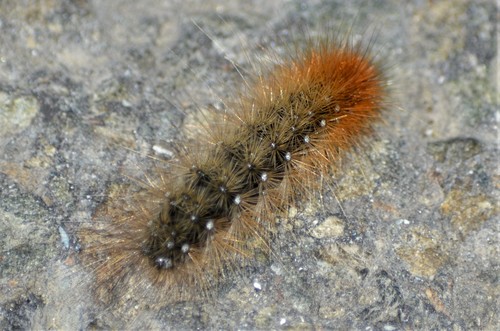
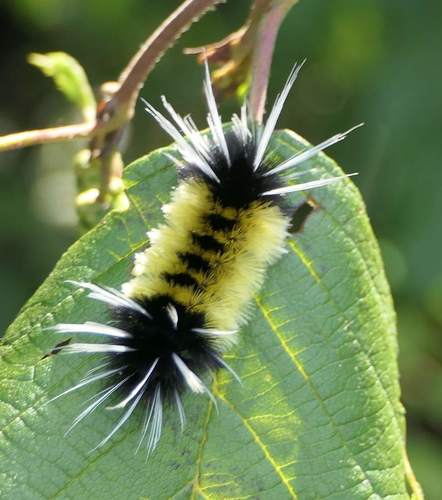
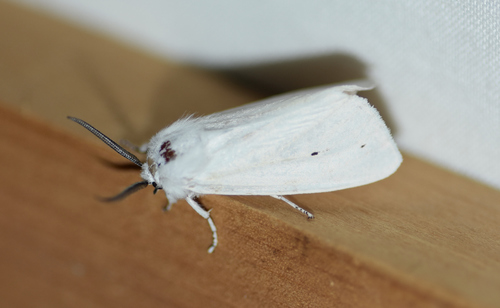
Arctia parthenos, the St. Lawrence tiger moth, is a moth in the family Erebidae. It was described by Thaddeus William Harris in 1850. It is found in boreal North America, ranging from Alaska to Labrador, south to New Mexico and Arizona in the Rocky Mountains and to North Carolina in the Appalachian Mountains. The habitat consists of riparian areas and mixed hardwood-conifer forests at middle to high elevations.

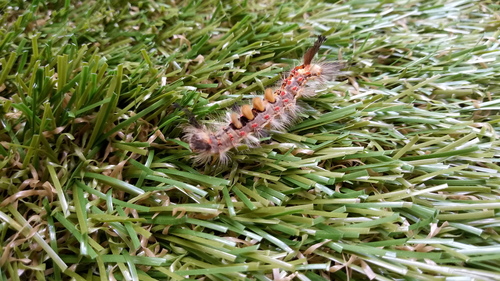
The length of the forewings is 28–33 mm. Adults are on wing from late May until early August in one generation per year. The larvae feed on various plants, including Salix, Alnus and Betula species. This species was formerly a member of the genus Platarctia, but was moved to Arctia along with the other species of the genera Acerbia, Pararctia, Parasemia, Platarctia, and Platyprepia. Wikipedia →

Global Distribution

Parks Where Found

# Park Country Daily sighting probability
1 Elk Island National Park 🇨🇦 Canada
~20%
2 Jasper National Park 🇨🇦 Canada
~10%
3 Denali National Park 🇺🇸 United States
~10%
4 Grand Teton National Park 🇺🇸 United States
~10%
5 Glacier National Park 🇺🇸 United States
~10%
6 Banff National Park 🇨🇦 Canada
~10%

Before you go

What are the chances of seeing a St. Lawrence Tiger Moth in Glacier National Park?

With luck

About 10% of wildlife watchers report a St. Lawrence Tiger Moth sighting in Glacier National Park on a given day, based on 8 verified sightings from GBIF citizen-science data from 2019 to 2026. It is the 98th most-seen of the 147 insects we can rate there. Over three days the chance rises to about 20%, and over a week to about 40%, if each day is a fresh chance.

When is the best time to see a St. Lawrence Tiger Moth in Glacier National Park?

May to July

In those months about 10% of wildlife watchers report a St. Lawrence Tiger Moth in Glacier National Park on a given day, against under 5% in August to April, the lowest months.

What time of day is best to see a St. Lawrence Tiger Moth?

Between 11 am and 2 pm

Across all the parks we cover, that three-hour window holds the most St. Lawrence Tiger Moth sightings with a recorded time, and about 9 in 10 of them come between 6 am and 6 pm: it is a daytime animal.

Is Glacier National Park the best place to see a St. Lawrence Tiger Moth?

5th of 6

Of the 6 parks where we can rate St. Lawrence Tiger Moth sightings, Glacier National Park ranks 5th at about 10%. The best odds are in Elk Island National Park (Canada, about 20%), Jasper National Park (Canada, about 10%) and Denali National Park (United States, about 10%).

Where does the St. Lawrence Tiger Moth sighting chance come from?

GBIF citizen-science records

It is estimated from how often the St. Lawrence Tiger Moth is recorded against all the insects logged in Glacier National Park (8 verified sightings from 2019 to 2026), calibrated against known sighting rates. Figures are rounded to the nearest 10% because citizen-science data supports honest approximations, not decimals, and months with records from fewer than five people show "—". How it works.

← Back to Glacier National Park