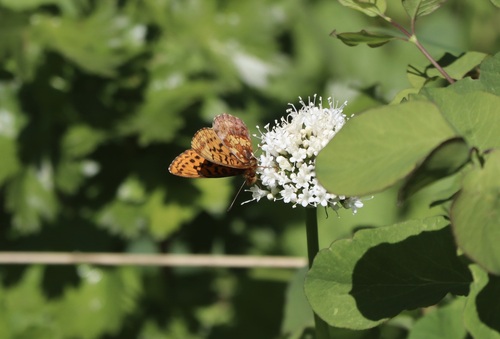
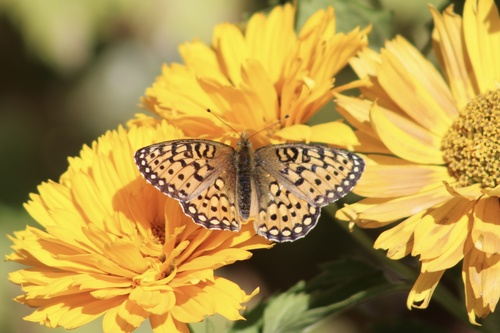
Lorquin's Admiral

Lorquin's Admiral

Limenitis lorquini

Daily sighting probability ~20% · Possible
at Glacier National Park

In 3 days ~60% in a week ~90%

88 Verified sightings at Glacier National Park From 2019 to 2026
354 In all 7 parks
July Best month
☀️ Diurnal When it's spotted

About the Lorquin's Admiral

Lorquin's admiral (Limenitis lorquini) is a butterfly in the Nymphalinae subfamily. The butterfly is named after Pierre Joseph Michel Lorquin, a French naturalist who came to California from France during the Gold Rush, and made important discoveries on the natural history of the terrain.

The Lorquin's admiral can mostly be found across the Upper Sonoran to the Canadian Zone, east to western Montana and Idaho. Known areas include southern British Columbia (including Vancouver Island, north of Emerald Lake), and Cypress Hills in southwestern Saskatchewan as well as southwestern Alberta.

The butterfly resides mostly in forest edges, mountain canyons, parks, streamsides, fencerows, orchards, and groves of cottonwood and poplar. Usually the butterflies feed on California buckeye, yerba santa, privet, bird droppings, and dung. They are extremely territorial and will attack any intruders into their habitat, including large birds.

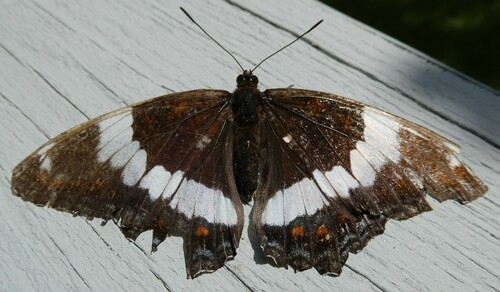
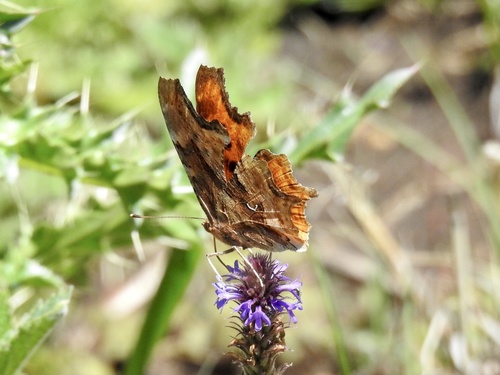
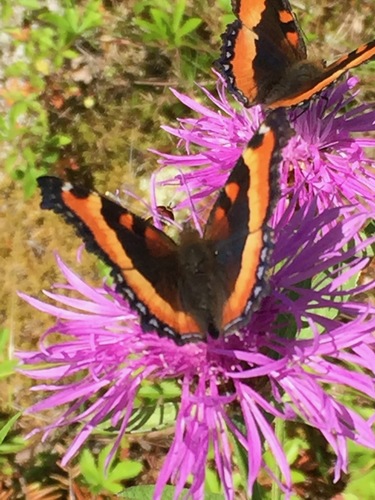
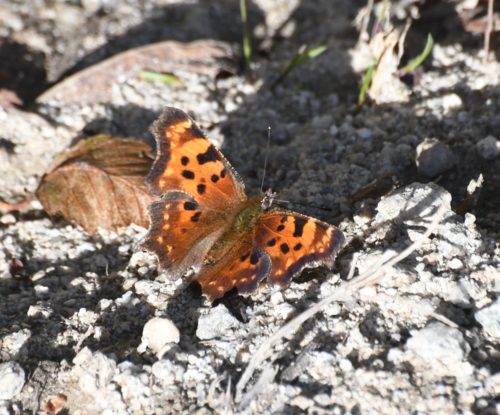
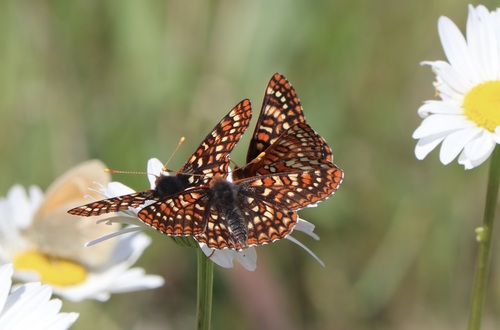
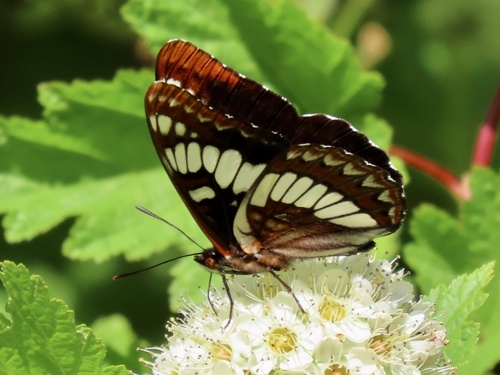
The Lorquin's admiral has brown-black wings, each with a row of white spots across it. Its forewings have orange tips. Wingspan: 47 to 71 mm; females are generally larger than males. Larvae are usually... Wikipedia →
Global Distribution

Parks Where Found

# Park Country Daily sighting probability
1 Glacier National Park 🇺🇸 United States
~20%
2 Sequoia and Kings Canyon National Parks 🇺🇸 United States
~20%
3 Yosemite National Park 🇺🇸 United States
~20%
4 Pacific Rim National Park Reserve 🇨🇦 Canada
~10%
5 Great Bear Rainforest 🇨🇦 Canada
~10%
6 Olympic National Park 🇺🇸 United States
~10%
7 Redwood National Park 🇺🇸 United States
~10%

Cities Where Found

# City Country Daily sighting probability
1 Seattle 🇺🇸 United States
~10%
2 Sacramento 🇺🇸 United States
~10%
3 Vancouver 🇨🇦 Canada
~10%
4 San Diego 🇺🇸 United States
~10%
5 Portland 🇺🇸 United States
~10%
6 Los Angeles 🇺🇸 United States
<5%
7 San Francisco 🇺🇸 United States
<5%

Before you go

What are the chances of seeing a Lorquin's Admiral in Glacier National Park?

Possible

About 20% of wildlife watchers report a Lorquin's Admiral sighting in Glacier National Park on a given day, based on 88 verified sightings from GBIF citizen-science data from 2019 to 2026. It is the 6th most-seen of the 147 insects we can rate there. Over three days the chance rises to about 60%, and over a week to about 90%, if each day is a fresh chance.

When is the best time to see a Lorquin's Admiral in Glacier National Park?

July

In that month about 40% of wildlife watchers report a Lorquin's Admiral in Glacier National Park on a given day, against under 5% in January, March–May and October, the lowest months. That is one of Glacier National Park's driest months, with about 20 mm of rain against 80 mm in February.

What time of day is best to see a Lorquin's Admiral?

Between 11 am and 2 pm

Across all the parks we cover, that three-hour window holds the most Lorquin's Admiral sightings with a recorded time, and about 9 in 10 of them come between 6 am and 6 pm: it is a daytime animal.

Is Glacier National Park the best place to see a Lorquin's Admiral?

Yes

Of the 7 parks where we can rate Lorquin's Admiral sightings, Glacier National Park has the highest daily chance: about 20%. Next come Sequoia and Kings Canyon National Parks (United States, about 20%) and Yosemite National Park (United States, about 20%).

Where does the Lorquin's Admiral sighting chance come from?

GBIF citizen-science records

It is estimated from how often the Lorquin's Admiral is recorded against all the insects logged in Glacier National Park (88 verified sightings from 2019 to 2026), calibrated against known sighting rates. Figures are rounded to the nearest 10% because citizen-science data supports honest approximations, not decimals, and months with records from fewer than five people show "—". How it works.

← Back to Glacier National Park