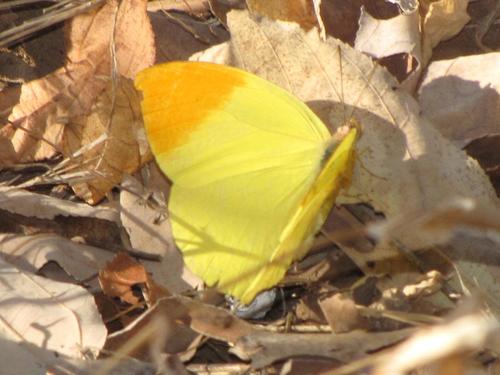
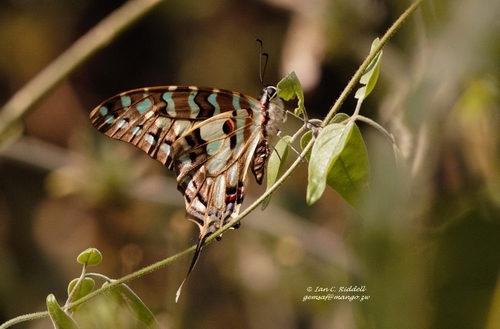
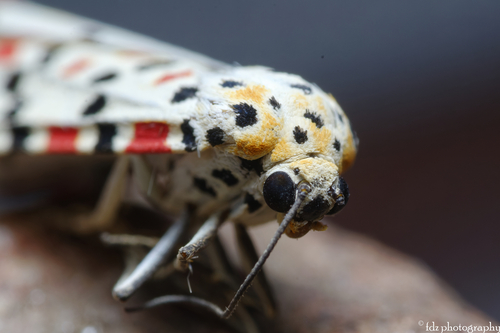
Mycalesis anynana
Daily sighting probability ~30% · Possible
at Gonarezhou National Park

In 3 days ~60% in a week ~90%

5 Verified sightings at Gonarezhou National Park From 2019 to 2026
117 In all 5 parks
May Best month
☀️ Diurnal When it's spotted

About the Mycalesis anynana

Bicyclus anynana (squinting bush brown) is a small brown butterfly in the family Nymphalidae, the most globally diverse family of butterflies. It is primarily found in eastern Africa from southern Sudan to Eswatini. It is found mostly in woodland areas and flies close to the ground. Male wingspans are 35–40 mm and female wingspans are 45–49 mm.

The bush brown is helpful for research because of its ideal size and breeding time. In addition to this, the bush brown is one of many insect species to vary its coloration depending on the season, making it a valuable tool in studying phenotypic plasticity. Wet seasons produce butterflies with large eyespots, while dry seasons have butterflies dull in color.

Male butterflies engage in mud-puddling, which involves taking up nutrients by aggregating on wet soil and dung. Males use pheromones to attract females during courtship. However, courtship in the bush brown is notable for its plasticity: temperature during adult development plays a large role in determining the rate of male courtship as well as the roles of males and females during the courtship process. The bush brown uses its eyespots as a defense against avian predators. In addition, females choose male mates based on their eyespots; in a process known as stabilizing selection, eyespots that are too large or too small are selected against. Wikipedia →

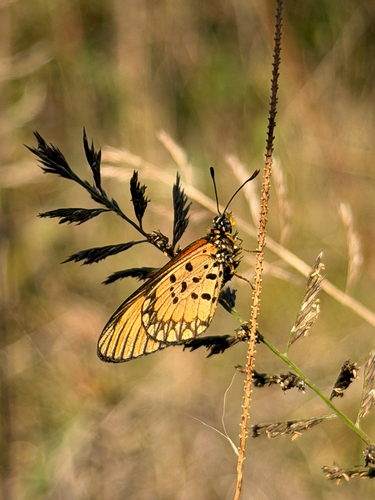
Global Distribution

Parks Where Found

# Park Country Daily sighting probability
1 Gonarezhou National Park 🇿🇼 Zimbabwe
~30%
2 uMkhuze Game Reserve 🇿🇦 South Africa
~20%
3 iSimangaliso Wetland Park 🇿🇦 South Africa
~20%
4 Hluhluwe-Imfolozi Park 🇿🇦 South Africa
~10%
5 Kruger National Park 🇿🇦 South Africa
~10%

Cities Where Found

# City Country Daily sighting probability
1 Durban 🇿🇦 South Africa
<5%

Before you go

What are the chances of seeing a Mycalesis anynana in Gonarezhou National Park?

Possible

About 30% of wildlife watchers report a Mycalesis anynana sighting in Gonarezhou National Park on a given day, based on 5 verified sightings from GBIF citizen-science data from 2019 to 2026. It is the 18th most-seen of the 31 insects we can rate there. Over three days the chance rises to about 60%, and over a week to about 90%, if each day is a fresh chance.

When is the best time to see a Mycalesis anynana in Gonarezhou National Park?

May

In that month about 50% of wildlife watchers report a Mycalesis anynana in Gonarezhou National Park on a given day, against under 5% in July and September–March, the lowest months. That is one of Gonarezhou National Park's driest months, with about 10 mm of rain against 150 mm in January.

What time of day is best to see a Mycalesis anynana?

Between 9 am and noon

Across all the parks we cover, that three-hour window holds the most Mycalesis anynana sightings with a recorded time, and nearly all of them come between 6 am and 6 pm: it is a daytime animal.

Is Gonarezhou National Park the best place to see a Mycalesis anynana?

Yes

Of the 5 parks where we can rate Mycalesis anynana sightings, Gonarezhou National Park has the highest daily chance: about 30%. Next come uMkhuze Game Reserve (South Africa, about 20%) and iSimangaliso Wetland Park (South Africa, about 20%).

Which relatives of the Mycalesis anynana live in Gonarezhou National Park?

Same family: Nymphalidae

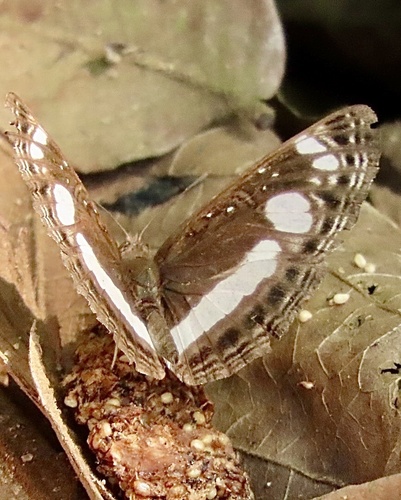
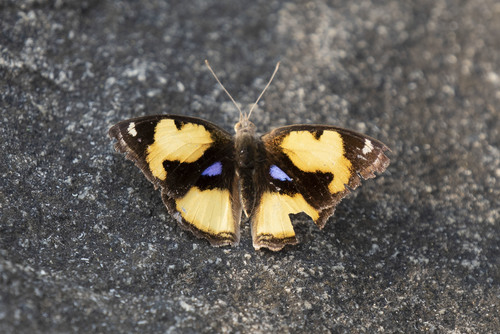
The closest relatives of the Mycalesis anynana that you can see in Gonarezhou National Park (family Nymphalidae, Brush-footed Butterflies) are Dancing Amber (about 40%), Two-Tailed Pasha (about 30%) and Spotted Sailer (about 30%), with each one's daily chance of a sighting.

Where does the Mycalesis anynana sighting chance come from?

GBIF citizen-science records

It is estimated from how often the Mycalesis anynana is recorded against all the insects logged in Gonarezhou National Park (5 verified sightings from 2019 to 2026), calibrated against known sighting rates. Figures are rounded to the nearest 10% because citizen-science data supports honest approximations, not decimals, and months with records from fewer than five people show "—". How it works.

← Back to Gonarezhou National Park