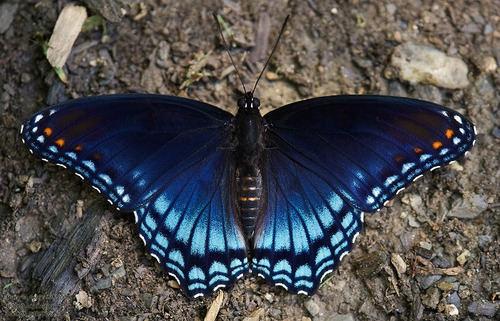
West Virginia White

West Virginia White

Pieris virginiensis

Daily sighting probability ~20% · Possible
at Great Smoky Mountains National Park

In 3 days ~50% in a week ~80%

216 Verified sightings at Great Smoky Mountains National Park From 2019 to 2026
216 In 1 park
March Best month
☀️ Diurnal When it's spotted

About the West Virginia White

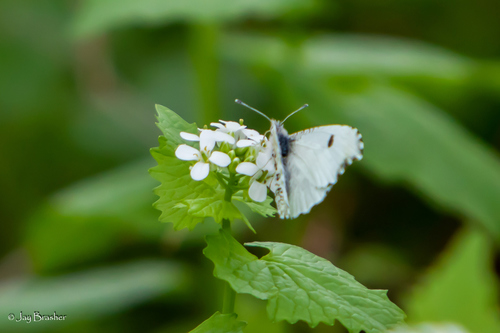
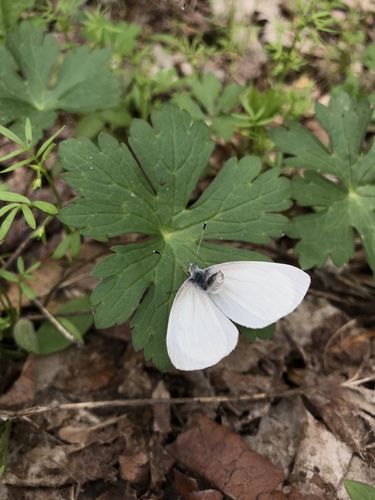
Pieris virginiensis, the West Virginia white, is a butterfly found in North America in the Great Lakes states, along the Appalachians from New England to Alabama, and in southern Ontario. They are often found in moist deciduous forests. Forestry, development, and a highly-invasive species that it confuses with its host plant (Cardamine) are causing this species to decline. Two members of the Cardamine genus Cardamine diphylla and Cardamine concatenata are reported to be its host plants in Alabama.

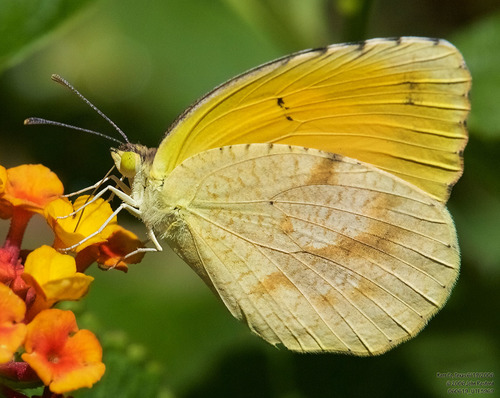
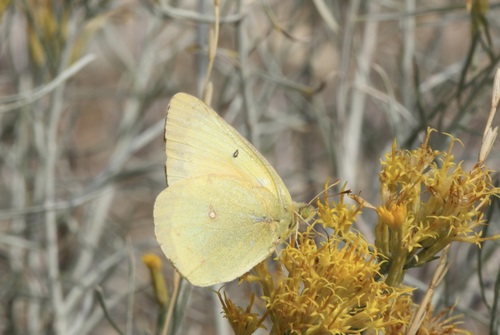
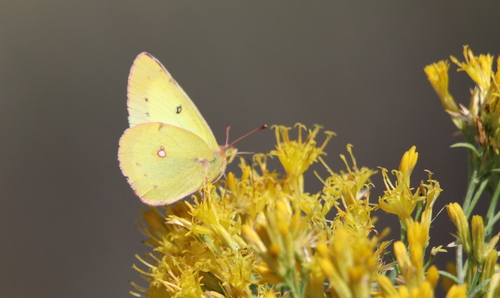
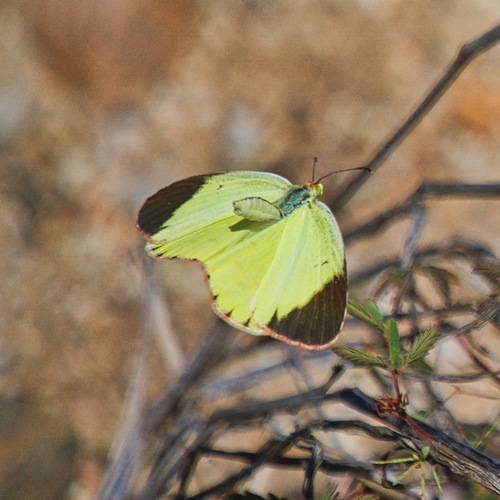
This small, white semi-transparent butterfly may have no yellowish tinge, but it can have tawny or gray color and hazy brown or pale gray color in the hindwing vein underside. There is only one generation that is produced each year, and they are active adults for a short period of about one month, typically early spring (April or May), when they emerge despite potential dry springs. When P. virginiensis experience dry springs, they often do not survive as they rely on the prosperity of their native host plant for oviposition.

P. virginensis was originally native on the east coast of the United States and central Canada, but became established in new habitats within... Wikipedia →

Global Distribution

Parks Where Found

# Park Country Daily sighting probability
1 Great Smoky Mountains National Park 🇺🇸 United States
~20%

More parks will be added in future updates.

Before you go

What are the chances of seeing a West Virginia White in Great Smoky Mountains National Park?

Possible

About 20% of wildlife watchers report a West Virginia White sighting in Great Smoky Mountains National Park on a given day, based on 216 verified sightings from GBIF citizen-science data from 2019 to 2026. It is the 22nd most-seen of the 822 insects we can rate there. Over three days the chance rises to about 50%, and over a week to about 80%, if each day is a fresh chance.

When is the best time to see a West Virginia White in Great Smoky Mountains National Park?

March

In that month about 60% of wildlife watchers report a West Virginia White in Great Smoky Mountains National Park on a given day, against under 5% in June to February, the lowest months.

What time of day is best to see a West Virginia White?

Between noon and 3 pm

Across all the parks we cover, that three-hour window holds the most West Virginia White sightings with a recorded time, and nearly all of them come between 6 am and 6 pm: it is a daytime animal.

Where else can you see a West Virginia White?

Only Great Smoky Mountains National Park, in our data

Great Smoky Mountains National Park is the only park on Wallace's Line with enough records to rate West Virginia White sightings: about 20% of wildlife watchers there report one on a given day.

Where does the West Virginia White sighting chance come from?

GBIF citizen-science records

It is estimated from how often the West Virginia White is recorded against all the insects logged in Great Smoky Mountains National Park (216 verified sightings from 2019 to 2026), calibrated against known sighting rates. Figures are rounded to the nearest 10% because citizen-science data supports honest approximations, not decimals, and months with records from fewer than five people show "—". How it works.

← Back to Great Smoky Mountains National Park