Pandora Pinemoth

Pandora Pinemoth

Coloradia pandora

Daily sighting probability ~10% · With luck
at Guadalupe Mountains National Park

In 3 days ~40% in a week ~60%

8 Verified sightings at Guadalupe Mountains National Park From 2019 to 2026
8 In 1 park
September Best month
🌙 Nocturnal When it's spotted

About the Pandora Pinemoth

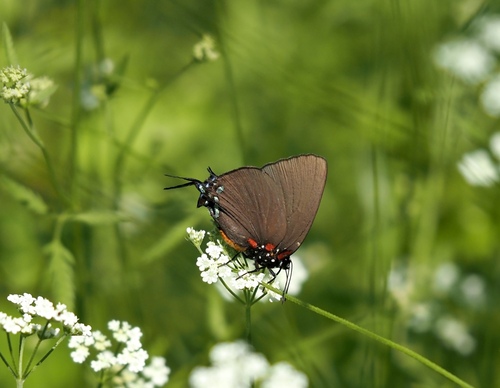
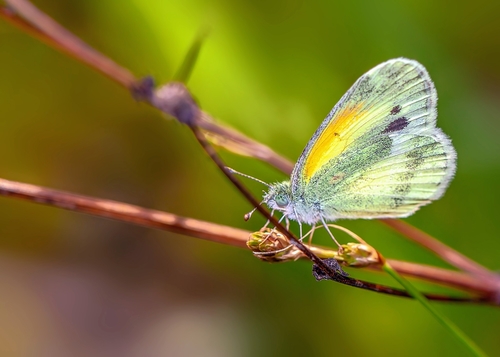
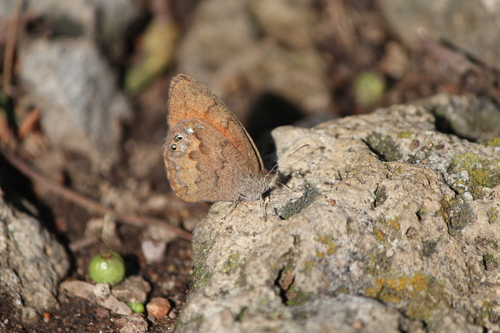
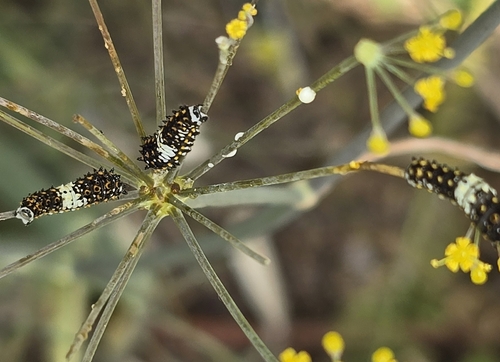
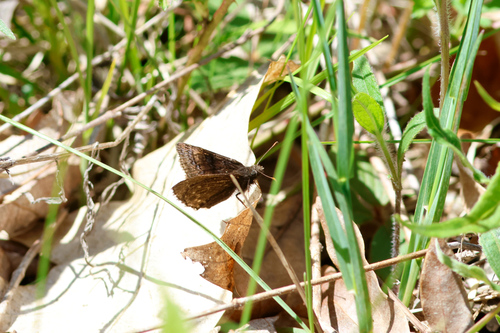
The Pandora moth or Pandora pinemoth (Coloradia pandora) is an insect belonging to the moth genus Coloradia. The species was first described by C. A. Blake in 1863. It is native to the western United States. The larvae of the Pandora moth feed on the foliage of several species of pine trees, including the lodgepole, Jeffrey, and ponderosa pines. The larvae populations sometimes reach high enough levels to cause severe defoliation; such outbreaks have occurred in northern Arizona, central Oregon, and southern California. The Paiute people in California's Owens Valley and Mono Lake areas harvest, prepare, and store the larvae (which they call piuga) as a preferred food. This has brought the natives into conflict with the United States Forest Service, which has sought to control moth populations through the use of insecticides.

Pandora moths are semivoltine, producing one new generation every two years. Around the end of June, the adult moths appear; they lay eggs which hatch in August. Over the winter, the larvae remain on the tree, feeding on its foliage. The following summer, the insects drop off the trees and pupate, burying themselves in the ground, where they will... Wikipedia →

Global Distribution

Parks Where Found

# Park Country Daily sighting probability
1 Guadalupe Mountains National Park 🇺🇸 United States
~10%

More parks will be added in future updates.

Cities Where Found

# City Country Daily sighting probability
1 Portland 🇺🇸 United States
<5%

Before you go

What are the chances of seeing a Pandora Pinemoth in Guadalupe Mountains National Park?

With luck

About 10% of wildlife watchers report a Pandora Pinemoth sighting in Guadalupe Mountains National Park on a given day, based on 8 verified sightings from GBIF citizen-science data from 2019 to 2026. It is the 36th most-seen of the 57 insects we can rate there. Over three days the chance rises to about 40%, and over a week to about 60%, if each day is a fresh chance.

When is the best time to see a Pandora Pinemoth in Guadalupe Mountains National Park?

September

In that month about 50% of wildlife watchers report a Pandora Pinemoth in Guadalupe Mountains National Park on a given day, against under 5% in October to August, the lowest months. That is one of Guadalupe Mountains National Park's wettest months, with about 40 mm of rain against 10 mm in April.

What time of day is best to see a Pandora Pinemoth?

Between 9 pm and midnight

Across all the parks we cover, that three-hour window holds the most Pandora Pinemoth sightings with a recorded time, and nearly all of them come between 6 pm and 6 am: it is mostly seen at night.

Where else can you see a Pandora Pinemoth?

Only Guadalupe Mountains National Park, in our data

Guadalupe Mountains National Park is the only park on Wallace's Line with enough records to rate Pandora Pinemoth sightings: about 10% of wildlife watchers there report one on a given day.

Which relatives of the Pandora Pinemoth live in Guadalupe Mountains National Park?

Same order: Lepidoptera

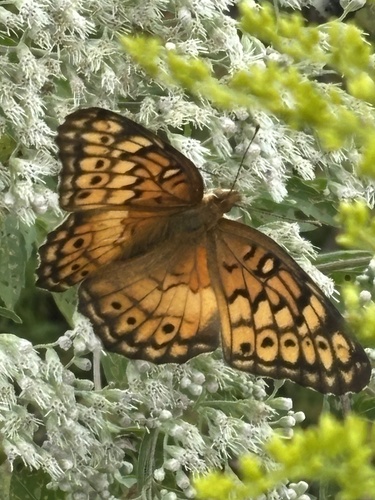
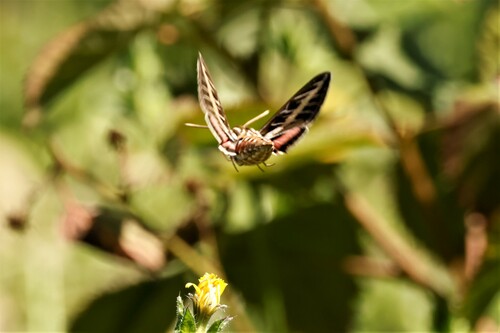
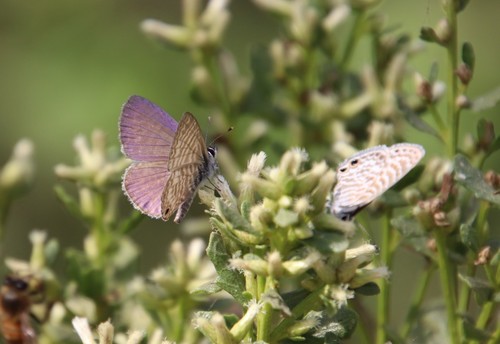
The closest relatives of the Pandora Pinemoth that you can see in Guadalupe Mountains National Park (order Lepidoptera, Butterflies and Moths) are Variegated Fritillary (about 30%), White-Lined Sphinx (about 20%) and Marine Blue (about 20%), with each one's daily chance of a sighting.

Where does the Pandora Pinemoth sighting chance come from?

GBIF citizen-science records

It is estimated from how often the Pandora Pinemoth is recorded against all the insects logged in Guadalupe Mountains National Park (8 verified sightings from 2019 to 2026), calibrated against known sighting rates. Figures are rounded to the nearest 10% because citizen-science data supports honest approximations, not decimals, and months with records from fewer than five people show "—". How it works.

← Back to Guadalupe Mountains National Park