Guadalupe Mountains National Park
🇺🇸 United States
North America, United States 598 spp. recorded
Guadalupe Mountains National Park is a rugged desert mountain reserve in West Texas, rising sharply above vast arid plains. Visitors hike along steep rocky canyons and through high-elevation pine forests across the ancient limestone reef.
31.927° N 104.887° W
🦜 Nature

263 Species sighted
20,293 Verified sightings From 2019 to 2026
Sep Best month
⭐ Iconic Species


📊 Most Spotted


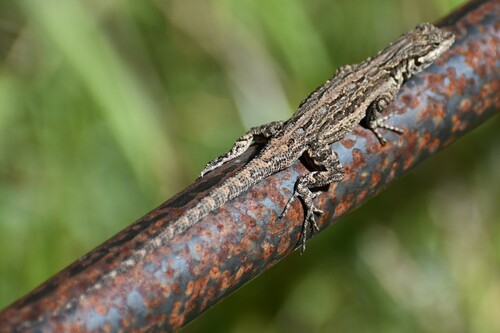


📊 Most Spotted
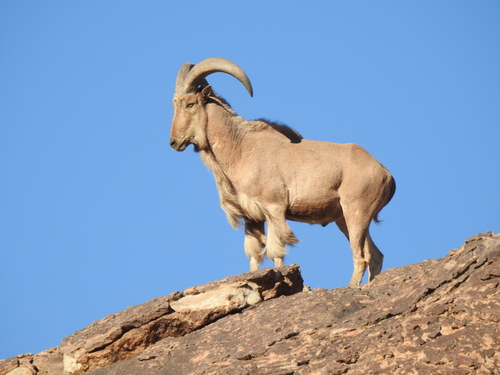


📊 Most Spotted


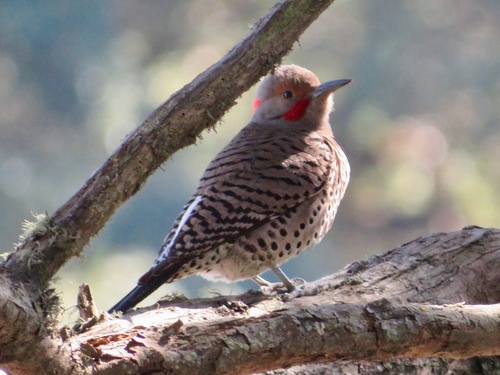


⭐ Iconic Species
📊 Most Spotted

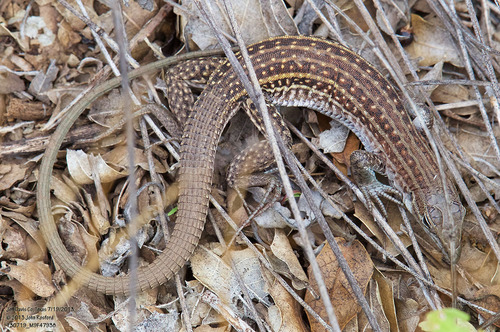

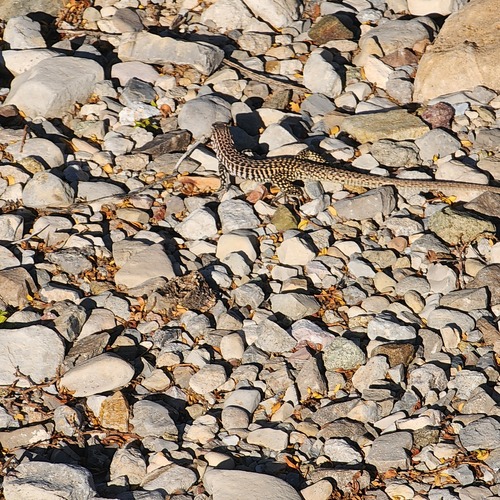


📊 Most Spotted


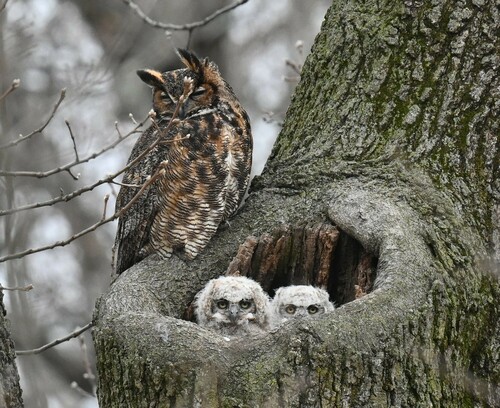


+ 415 more species with insufficient data
Recent sightings in Guadalupe Mountains National Park
LIVEiNaturalistSighting Calendar
How many species you'd see in a day
23Jan
24Feb
27Mar
29Apr
40May
39Jun
38Jul
42Aug
48Sep
33Oct
31Nov
24Dec
Sighting Zones
Warmer areas are where all species together are recorded most often.
-
Dog Canyon
-
McKittrick Canyon
Daily sight. prob.vs avg Greater Earless Lizard~90%+10%
 Southwestern Fence Lizard~70%≈
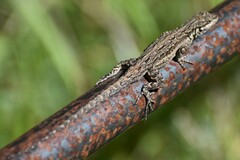 Ornate Tree Lizard~70%+10%
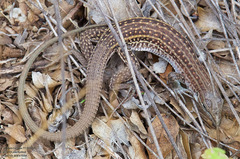 Chihuahuan Spotted Whiptail~70%+20%
 Rock Wren~60%+10%
 Mule Deer~60%+10%
 Crevice Spiny Lizard~60%+10%
 Spotted Towhee~50%-10%
 Ladder-backed Woodpecker~40%≈
 Chipping Sparrow~40%-20%
 Bewick's Wren~40%-10%
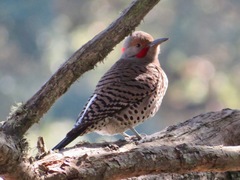 Northern Flicker~40%-10%
-
The Bowl
Daily sight. prob.vs avg -
Pine Springs (incl. Visitor Ctr)
Daily sight. prob.vs avg- Greater Earless Lizard~80%+10%
- Southwestern Fence Lizard~80%+10%
- Ornate Tree Lizard~70%+20%
- Mule Deer~60%+10%
- Chihuahuan Spotted Whiptail~60%+10%
- Crevice Spiny Lizard~50%≈
- Spotted Towhee~40%-30%
- Chipping Sparrow~40%-20%
 Canyon Towhee~40%-20%
 House Finch~40%-20%
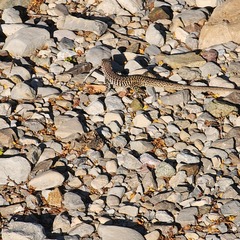 Diploid Checkered Whiptail~40%+10%
 Woodhouse's Scrub-Jay~30%-20%
-
Guadalupe Peak Trail
Daily sight. prob.vs avg




🏕️ Experience
Essentials
Entrance
Paid
Tourism
Medium
Typical stay
1
dayTrails
Moderate
World Heritage
No
Climate
Temp °C Rain mm
JanFebMarAprMayJunJulAugSepOctNovDec
0.0 Good
Wallace's Line Score
How good is this park for seeing wildlife? 🦜
Biodiversity
Very goodHow rich is the wildlife?
4.3
Species by taxon
🦅 Birds 374
🐒 Mammals 115
🦎 Reptiles 90
🐸 Amphibians 19
598 Total Species
828 Global average across 316 parks
12 Threatened 17 Endemic
🔭
Sighting
GoodHow likely to see animals?
2.6
🎯
Top-12 Avg Probability
59% 📊
Coverage (146 species at ≥5% of 598 in the inventory)
24% 🔀
Taxon variety in top 12 (8 bird, 3 reptile, 1 mammal)
65% 🔭
Species per 10 outings (distinct species a visitor would meet over 10 outings — effort held equal across parks)
87 🌟
Iconic-group species (≥15%) (every species from the 19 iconic groups — monkeys, cats, toucans, macaws, sloths, crocodilians… — not just the 4 highlighted above)
3 ⭐
High-prob species (>40%)
19 🏕️
Experience
Very goodHow easy and pleasant is the visit?
3.6
Climate Mixed Medium
Entrance Paid Low
Tourism Medium Medium
Trails Moderate Medium
World Heritage No —
What visitors say
We’ve only seen a single video of a bear in the park.
During the hike we saw ample evidence of some of the park’s mammalian denizens, to include relatively fresh mountain lion scat directly on the trail.
We arrived in style on our Kawasaki trike at the McKittrick Canyon entrance for our last day exploring the Guadalupe Mountains.
It was a 4 1/2 hour drive from Santa Fe to Carlsbad and we opted to make the drive the evening of our sixth day in order to have the full seventh day to explore Carlsbad Caverns and Guadalupe Mountains National Park.
Before you go
What animals can you see in Guadalupe Mountains National Park?
598 species
Guadalupe Mountains National Park has 598 recorded vertebrate species. The ones wildlife watchers report most often on a given day are Greater Earless Lizard (about 80%), Southwestern Fence Lizard (about 70%), Spotted Towhee (about 70%), Chipping Sparrow (about 60%) and House Finch (about 60%). Among mammals, the most-seen is Mule Deer (about 50%); among amphibians, Red-spotted Toad (about 20%).
When is the best time to visit Guadalupe Mountains National Park for wildlife?
September
In that month the park's 12 most-seen species average about 70% on a given day, against about 40% in January. That is one of Guadalupe Mountains National Park's wettest months, with about 40 mm of rain against 10 mm in April.
Can you see a Western Diamondback Rattlesnake in Guadalupe Mountains National Park?
Yes
About 30% of wildlife watchers report a Western Diamondback Rattlesnake sighting in Guadalupe Mountains National Park on a given day, based on 24 verified sightings from GBIF citizen-science data from 2019 to 2026. The best time is August (about 60%).
Can you see an Eastern Black-tailed Rattlesnake in Guadalupe Mountains National Park?
Yes
About 30% of wildlife watchers report an Eastern Black-tailed Rattlesnake sighting in Guadalupe Mountains National Park on a given day, based on 24 verified sightings from GBIF citizen-science data from 2019 to 2026. The best time is August (about 60%).
Can you see a Texas Horned Lizard in Guadalupe Mountains National Park?
Yes
About 20% of wildlife watchers report a Texas Horned Lizard sighting in Guadalupe Mountains National Park on a given day, based on 17 verified sightings from GBIF citizen-science data from 2019 to 2026. The best time is May and September (about 40%).
Can you see a Roundtail Horned Lizard in Guadalupe Mountains National Park?
Yes
About 30% of wildlife watchers report a Roundtail Horned Lizard sighting in Guadalupe Mountains National Park on a given day, based on 17 verified sightings from GBIF citizen-science data from 2019 to 2026. The best time is August (about 50%).
Where in Guadalupe Mountains National Park is wildlife easiest to see?
Around Dog Canyon
The richest sighting zone is around Dog Canyon, followed by McKittrick Canyon and The Bowl, ranked by how many of the park's headline animals visitors can expect to see in each. See the zones on the map.
Is Guadalupe Mountains National Park good for wildlife watching?
3.1 out of 5
On the Wallace's Line Score, Guadalupe Mountains National Park rates 3.1/5: 266th of 316 parks worldwide and 48th in North America. 24 of its species are reported by about 40% or more of wildlife watchers on a given day.


