Pholisora libya silhouette

Silhouette: PhyloPic

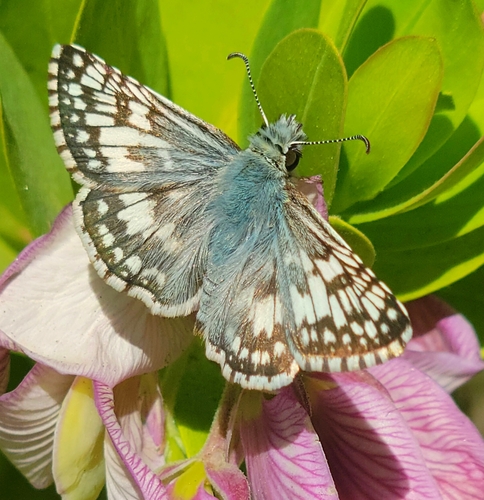
Pholisora libya

Pholisora libya

Daily sighting probability <5% · Rare
at Joshua Tree National Park

In 3 days ~10% in a week ~30%

7 Verified sightings at Joshua Tree National Park From 2019 to 2026
7 In 1 park
May Best month
☀️ Diurnal When it's spotted

About the Pholisora libya

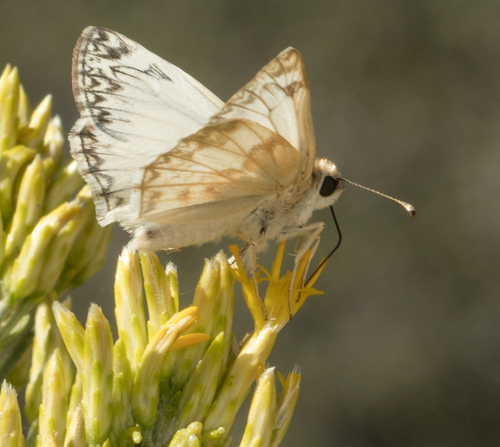
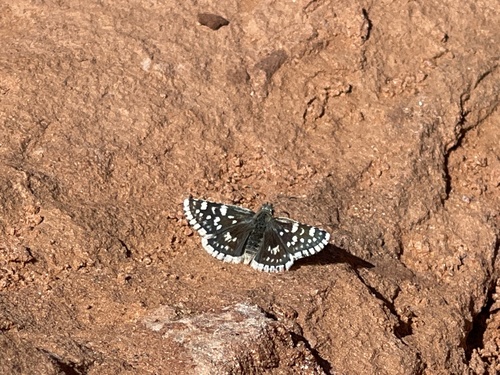
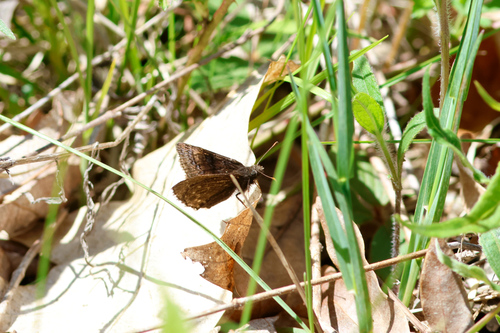
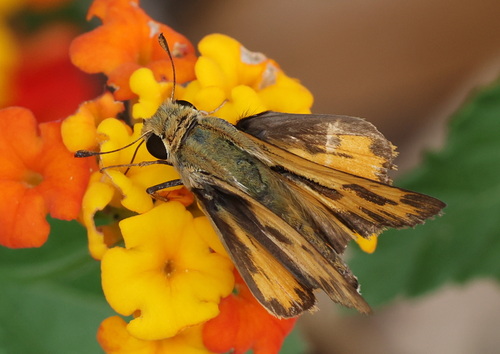
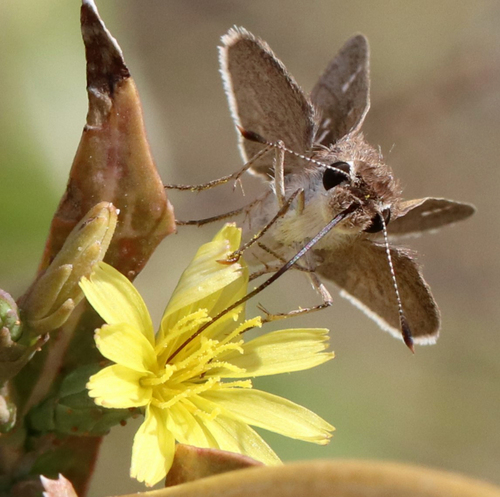
Hesperopsis libya, the Mojave sootywing, Mohave sootywing, Great Basin sootywing or Lena sooty wing, is a butterfly of the family Hesperiidae. It is found in North America from eastern Oregon east to Montana and south to southern California, Arizona, and north-western Mexico including Baja California. Its habitats include alkalai flats, sagebrush desert, desert hills, shale barrens, watercourses, and ravines.

The wingspan is 22–32 mm. Adults are on wing from July to August in one generation per year in North Dakota and Montana. In Colorado, there are two generations with adults on wing from June to August while adult are on wing from March to October in multiple generations in California. Adults feed on flower nectar.

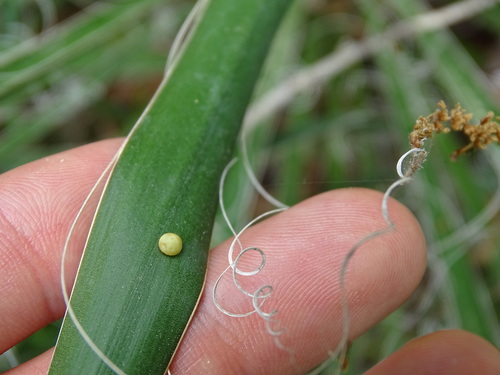
The larvae feed on the leaves of Atriplex canescens and A. confertifolia. They live in nests of leaves tied together with silk. Wikipedia →

Global Distribution

Parks Where Found

# Park Country Daily sighting probability
1 Joshua Tree National Park 🇺🇸 United States
<5%

More parks will be added in future updates.

Before you go

What are the chances of seeing a Pholisora libya in Joshua Tree National Park?

Rare

Under 5% of wildlife watchers report a Pholisora libya sighting in Joshua Tree National Park on a given day, based on 7 verified sightings from GBIF citizen-science data from 2019 to 2026. It is the 147th most-seen of the 190 insects we can rate there. Over three days the chance rises to about 10%, and over a week to about 30%, if each day is a fresh chance.

When is the best time to see a Pholisora libya in Joshua Tree National Park?

May and September–October

In those months about 10% of wildlife watchers report a Pholisora libya in Joshua Tree National Park on a given day, against under 5% in June–August and November–April, the lowest months.

What time of day is best to see a Pholisora libya?

Between 11 am and 2 pm

Across all the parks we cover, that three-hour window holds the most Pholisora libya sightings with a recorded time, and nearly all of them come between 6 am and 6 pm: it is a daytime animal.

Where else can you see a Pholisora libya?

Only Joshua Tree National Park, in our data

Joshua Tree National Park is the only park on Wallace's Line with enough records to rate Pholisora libya sightings: under 5% of wildlife watchers there report one on a given day.

Which relatives of the Pholisora libya live in Joshua Tree National Park?

Same family: Hesperiidae

The closest relatives of the Pholisora libya that you can see in Joshua Tree National Park (family Hesperiidae, Skippers) are White Checkered-Skipper (about 20%), Funereal Duskywing (about 20%) and Northern White-Skipper (about 20%), with each one's daily chance of a sighting.

Where does the Pholisora libya sighting chance come from?

GBIF citizen-science records

It is estimated from how often the Pholisora libya is recorded against all the insects logged in Joshua Tree National Park (7 verified sightings from 2019 to 2026), calibrated against known sighting rates. Figures are rounded to the nearest 10% because citizen-science data supports honest approximations, not decimals, and months with records from fewer than five people show "—". How it works.

← Back to Joshua Tree National Park