Sooty Longwing

Sooty Longwing

Capnobotes fuliginosus

Daily sighting probability ~10% · With luck
at Joshua Tree National Park

In 3 days ~20% in a week ~40%

14 Verified sightings at Joshua Tree National Park From 2019 to 2026
22 In all 2 parks
July Best month
☀️🌙 Day & Night When it's spotted

About the Sooty Longwing

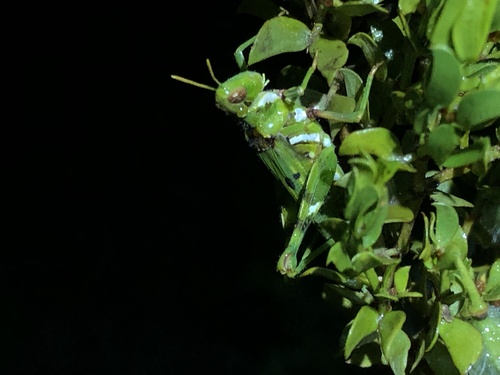
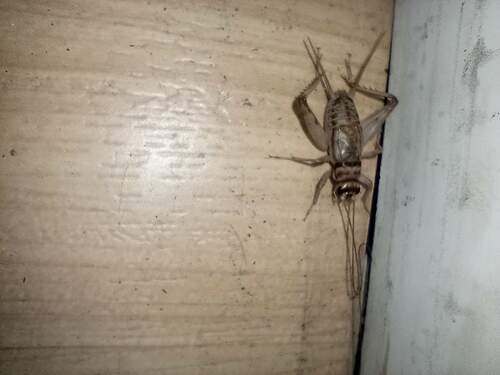
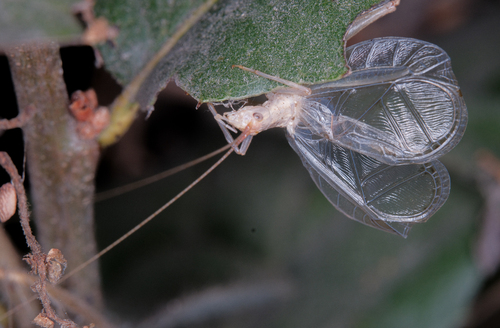
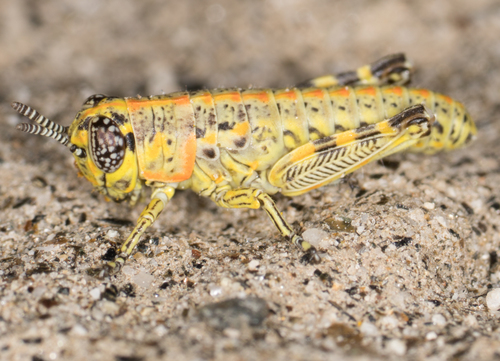
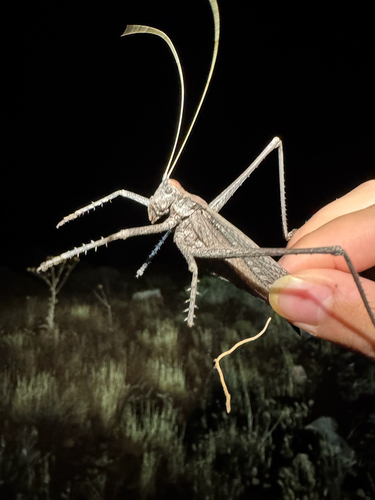
Capnobotes fuliginosus is a species of katydid known as the sooty longwing. It is found in the western United States and Mexico. It is omnivorous and it is the prey of the wasp Palmodes praestans. The sooty longwing was first formally described in 1872 by Cyrus Thomas as Locusta fuliginosus.

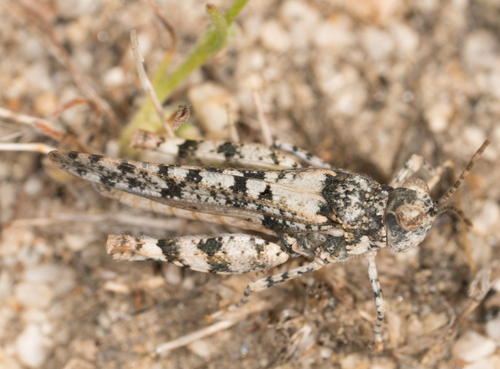
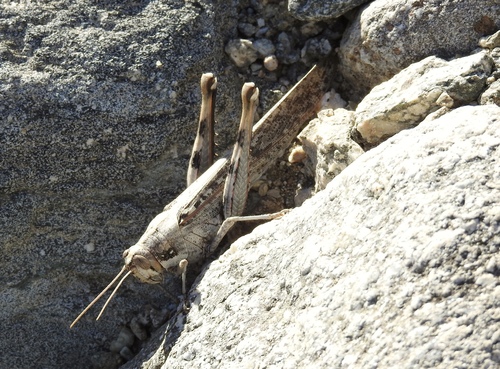
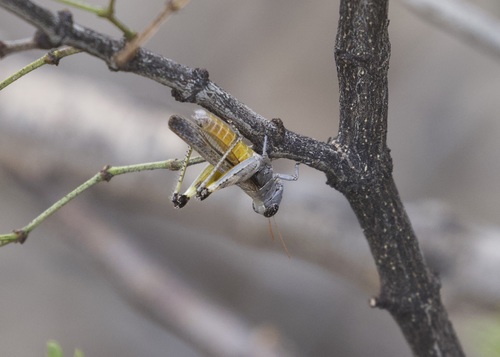
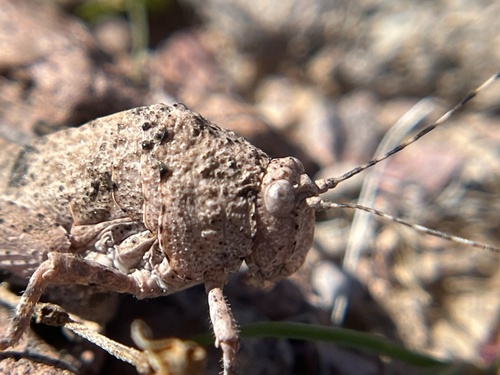
The species is up to 75 mm (3.0 in) long to its wingtips, brownish gray, has long wings, has a shield back, and its hindwings are darker than its forewings. The katydids show their dark hindwings when they are startled. The species' song is loud, continuous, and shrill. It is an omnivore that is known to feed on the nymphs and adults of the grasshopper Bootettix argentatus on foliage during the summer.

The species can be found in central Nevada, Utah, southern California, New Mexico, Texas, and Colorado. They are found in the deserts of California. The species was first found at the Dinosaur National Monument in 1952, according to a 1952 study by Entomological News in which three adults were discovered. They are highly active on hot nights.

Nematodes use the species as a host. The wasp Palmodes praestans preys on the species, even though... Wikipedia →
Global Distribution

Parks Where Found

# Park Country Daily sighting probability
1 Joshua Tree National Park 🇺🇸 United States
~10%
2 Saguaro National Park 🇺🇸 United States
<5%

Before you go

What are the chances of seeing a Sooty Longwing in Joshua Tree National Park?

With luck

About 10% of wildlife watchers report a Sooty Longwing sighting in Joshua Tree National Park on a given day, based on 14 verified sightings from GBIF citizen-science data from 2019 to 2026. It is the 96th most-seen of the 190 insects we can rate there. Over three days the chance rises to about 20%, and over a week to about 40%, if each day is a fresh chance.

When is the best time to see a Sooty Longwing in Joshua Tree National Park?

June and July

In those months about 20% of wildlife watchers report a Sooty Longwing in Joshua Tree National Park on a given day, against under 5% in September to March, the lowest months.

What time of day is best to see a Sooty Longwing?

Between 7 and 10 pm

Across all the parks we cover, that three-hour window holds the most Sooty Longwing sightings with a recorded time, and about half of them come between 6 pm and 6 am: it is seen both by day and at night.

Is Joshua Tree National Park the best place to see a Sooty Longwing?

Yes

Of the 2 parks where we can rate Sooty Longwing sightings, Joshua Tree National Park has the highest daily chance: about 10%. Next come Saguaro National Park (United States, under 5%).

Where does the Sooty Longwing sighting chance come from?

GBIF citizen-science records

It is estimated from how often the Sooty Longwing is recorded against all the insects logged in Joshua Tree National Park (14 verified sightings from 2019 to 2026), calibrated against known sighting rates. Figures are rounded to the nearest 10% because citizen-science data supports honest approximations, not decimals, and months with records from fewer than five people show "—". How it works.

← Back to Joshua Tree National Park