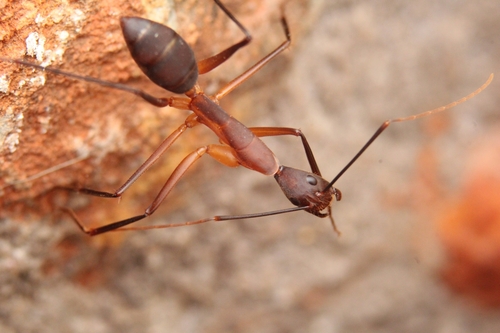
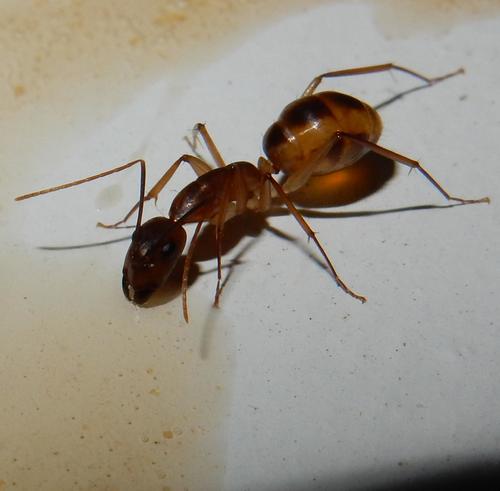
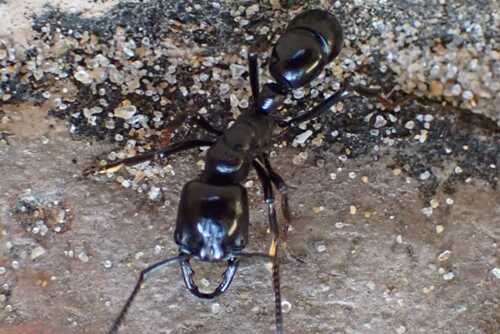
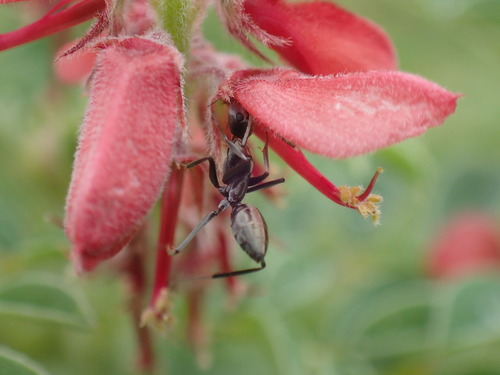
African Thief Ant
Daily sighting probability <5% · Rare
at Kruger National Park

In 3 days ~10% in a week ~30%

12 Verified sightings at Kruger National Park From 2019 to 2026
12 In 1 park
October Best month
☀️ Diurnal When it's spotted

About the African Thief Ant

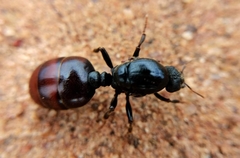
Carebara vidua is a species of ant in the subfamily Myrmicinae. The species is native to East Africa and is particularly associated with the Lake Victoria region of Kenya. It is traditionally consumed as food and used in ethnomedicine among some local communities. Due to habitat destruction and over-exploitation, it has been described as locally endangered.

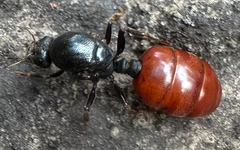
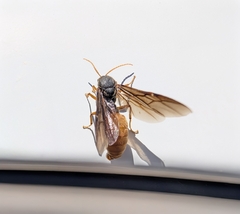
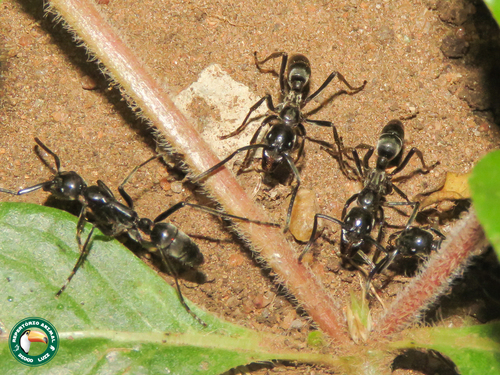
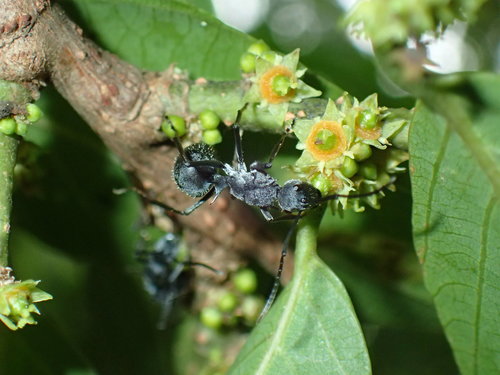
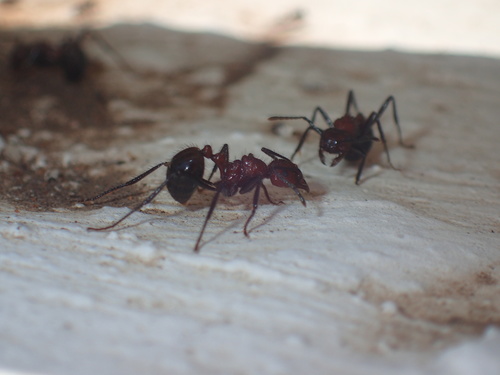
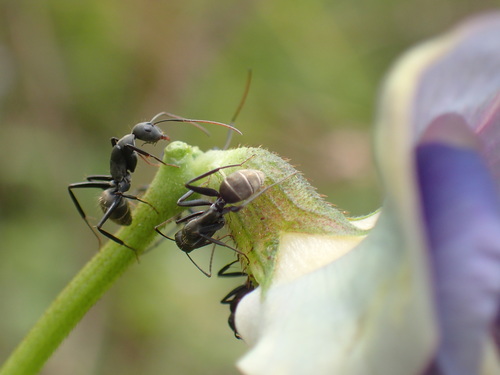
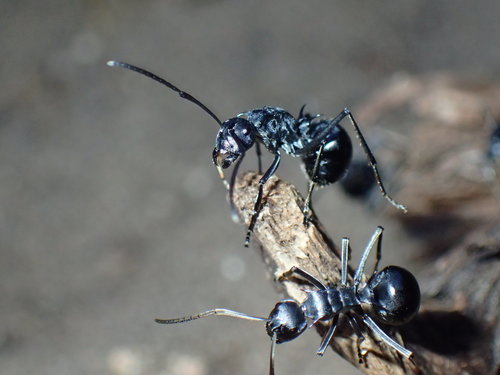
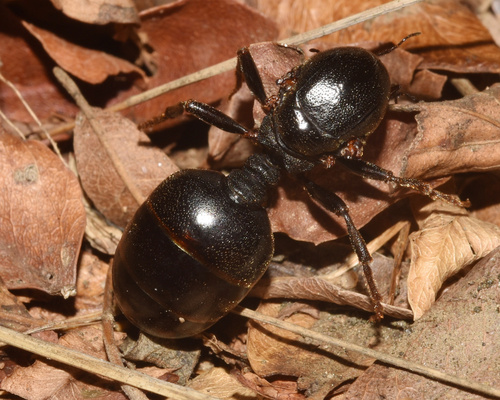
Adult female Carebara vidua are relatively large ants, measuring approximately 20–25 mm in length, with a shiny black body and a conspicuously enlarged, rounded abdomen. Females are winged during the reproductive phase. Males are smaller, approximately 10 mm long, winged, and have a paler abdomen. Worker ants are much smaller, typically 3–5 mm in length, wingless, and possess a functional sting. Like other hymenopterans, the species has chewing mouthparts, compound eyes, three ocelli, and segmented antennae.

Carebara vidua occurs in the Lake Victoria basin of western Kenya, including Kisumu and Siaya counties. The species constructs extensive subterranean colonies consisting of interconnected chambers and galleries, often located under soil, rocks, or human structures. Colonies are... Wikipedia →
Global Distribution

Parks Where Found

# Park Country Daily sighting probability
1 Kruger National Park 🇿🇦 South Africa
<5%

More parks will be added in future updates.

Cities Where Found

# City Country Daily sighting probability
1 Pretoria 🇿🇦 South Africa
~10%

Before you go

What are the chances of seeing an African Thief Ant in Kruger National Park?

Rare

Under 5% of wildlife watchers report an African Thief Ant sighting in Kruger National Park on a given day, based on 12 verified sightings from GBIF citizen-science data from 2019 to 2026. It is the 392nd most-seen of the 748 insects we can rate there. Over three days the chance rises to about 10%, and over a week to about 30%, if each day is a fresh chance.

When is the best time to see an African Thief Ant in Kruger National Park?

October and November

In those months about 10% of wildlife watchers report an African Thief Ant in Kruger National Park on a given day, against under 5% in December to September, the lowest months.

What time of day is best to see an African Thief Ant?

Between 10 am and 1 pm

Across all the parks we cover, that three-hour window holds the most African Thief Ant sightings with a recorded time, and nearly all of them come between 6 am and 6 pm: it is a daytime animal.

Where else can you see an African Thief Ant?

Only Kruger National Park, in our data

Kruger National Park is the only park on Wallace's Line with enough records to rate African Thief Ant sightings: under 5% of wildlife watchers there report one on a given day.

Which relatives of the African Thief Ant live in Kruger National Park?

Same family: Formicidae

The closest relatives of the African Thief Ant that you can see in Kruger National Park (family Formicidae, Ants) are Matabele Ant (about 10%), Savanna Spiny Sugar Ant (about 10%) and Long-Legged Sugar Ant (about 10%), with each one's daily chance of a sighting.

Where does the African Thief Ant sighting chance come from?

GBIF citizen-science records

It is estimated from how often the African Thief Ant is recorded against all the insects logged in Kruger National Park (12 verified sightings from 2019 to 2026), calibrated against known sighting rates. Figures are rounded to the nearest 10% because citizen-science data supports honest approximations, not decimals, and months with records from fewer than five people show "—". How it works.

← Back to Kruger National Park