Matabele Ant

Matabele Ant

Megaponera analis

Daily sighting probability ~10% · With luck
at Kruger National Park

In 3 days ~30% in a week ~50%

64 Verified sightings at Kruger National Park From 2019 to 2026
96 In all 5 parks
March Best month
☀️ Diurnal When it's spotted

About the Matabele Ant

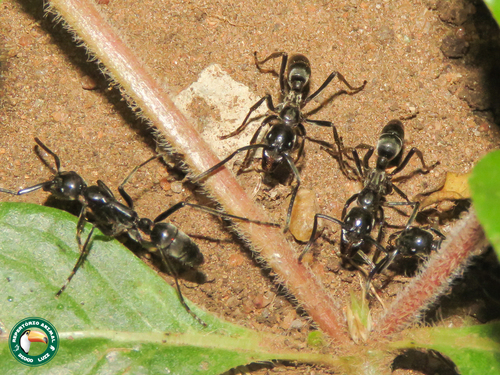
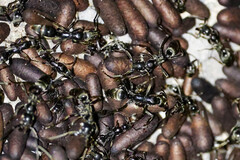
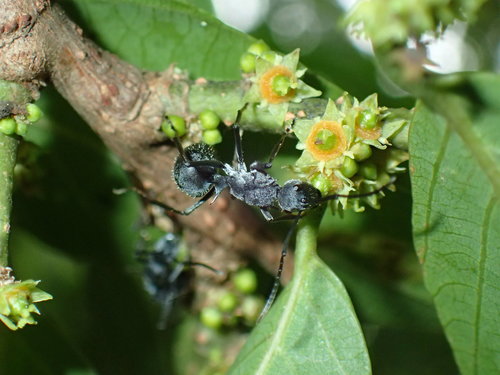
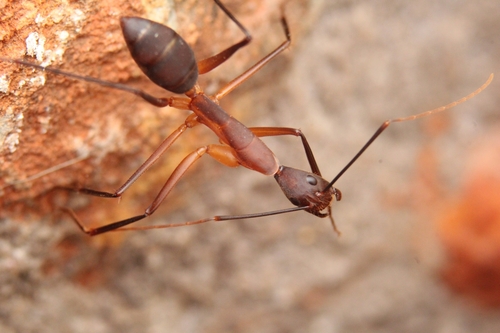
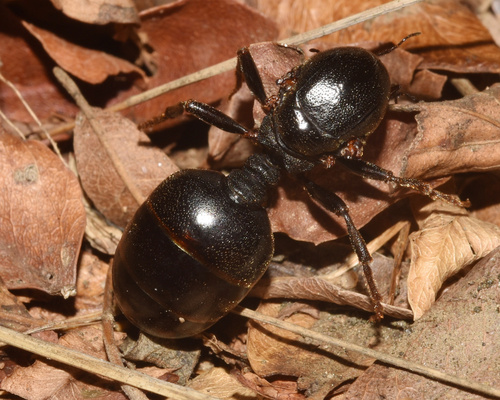
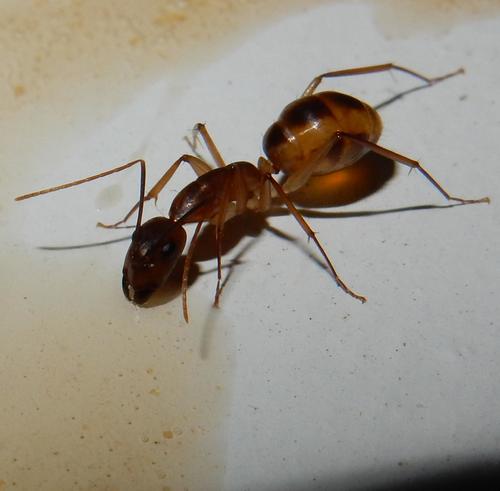
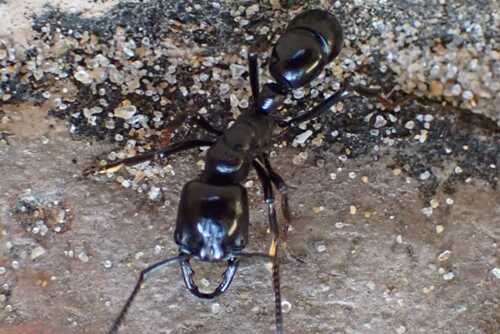
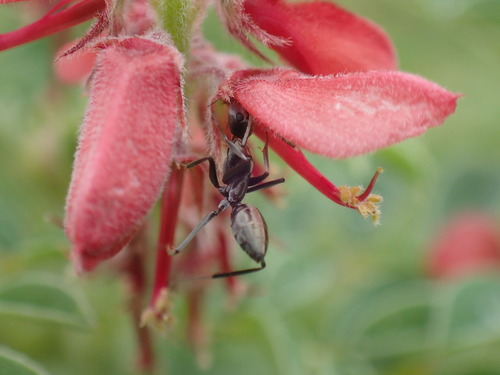
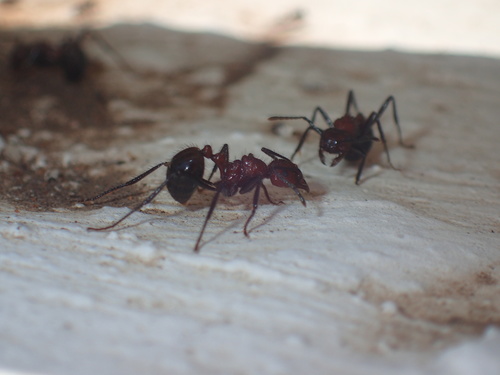
Megaponera analis is the sole species of the ant genus Megaponera. They are a strictly termite-eating (termitophagous) ponerine ant species widely distributed in Sub-Saharan Africa and most commonly known for their column-like raiding formation when attacking termite feeding sites. Their sophisticated raiding behaviour gave them the common name Matabele ant after the Matabele tribe, fierce warriors who overwhelmed various other tribes during the 1800s. With some individuals reaching up to 25 millimetres (0.98 in) in length, M. analis is one of the world's largest ants.

In 2014, the specific name analis, in Latin "anus-related", chosen by Latreille, replaced foetens "stinking", given by Johan Christian Fabricius in 1793, because Guillaume-Antoine Olivier had given the same name Formica foetens to another species in 1792. Both names allude to the fact that the mandibular gland of this ant releases dimethyl disulfide and dimethyl trisulfide, which smell like human feces.

Megaponera is a genus of ponerine ant first defined by Gustav Mayr in 1862 for the species Formica analis Latreille, 1802, the sole species belonging to the genus to date. In 1994 William L. Brown Jr. synonymised... Wikipedia →

Global Distribution

Parks Where Found

# Park Country Daily sighting probability
1 Liwonde National Park 🇲🇼 Malawi
~30%
2 Gorongosa National Park 🇲🇿 Mozambique
~20%
3 Nairobi National Park 🇰🇪 Kenya
~10%
4 Kruger National Park 🇿🇦 South Africa
~10%
5 Serengeti National Park 🇹🇿 Tanzania
~10%

Before you go

What are the chances of seeing a Matabele Ant in Kruger National Park?

With luck

About 10% of wildlife watchers report a Matabele Ant sighting in Kruger National Park on a given day, based on 64 verified sightings from GBIF citizen-science data from 2019 to 2026. It is the 50th most-seen of the 748 insects we can rate there. Over three days the chance rises to about 30%, and over a week to about 50%, if each day is a fresh chance.

When is the best time to see a Matabele Ant in Kruger National Park?

March and May

In those months about 20% of wildlife watchers report a Matabele Ant in Kruger National Park on a given day, against about 10% in April and June–February, the lowest months. Those are among Kruger National Park's driest months, with about 20 mm of rain a month against 110 mm in February.

What time of day is best to see a Matabele Ant?

Between 6 and 9 am

Across all the parks we cover, that three-hour window holds the most Matabele Ant sightings with a recorded time, and about 9 in 10 of them come between 6 am and 6 pm: it is a daytime animal.

Is Kruger National Park the best place to see a Matabele Ant?

4th of 5

Of the 5 parks where we can rate Matabele Ant sightings, Kruger National Park ranks 4th at about 10%. The best odds are in Liwonde National Park (Malawi, about 30%), Gorongosa National Park (Mozambique, about 20%) and Nairobi National Park (Kenya, about 10%).

Which relatives of the Matabele Ant live in Kruger National Park?

Same family: Formicidae

The closest relatives of the Matabele Ant that you can see in Kruger National Park (family Formicidae, Ants) are Savanna Spiny Sugar Ant (about 10%) and Long-Legged Sugar Ant (about 10%), with each one's daily chance of a sighting.

Where does the Matabele Ant sighting chance come from?

GBIF citizen-science records

It is estimated from how often the Matabele Ant is recorded against all the insects logged in Kruger National Park (64 verified sightings from 2019 to 2026), calibrated against known sighting rates. Figures are rounded to the nearest 10% because citizen-science data supports honest approximations, not decimals, and months with records from fewer than five people show "—". How it works.

← Back to Kruger National Park