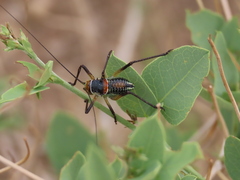
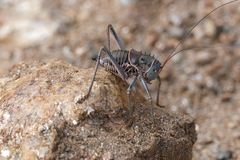
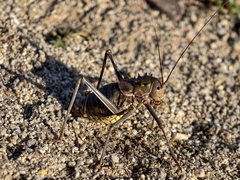
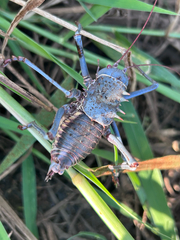
Brown Armoured Corncricket

Brown Armoured Corncricket

Acanthoplus discoidalis

Daily sighting probability ~10% · With luck
at Kruger National Park

In 3 days ~30% in a week ~60%

94 Verified sightings at Kruger National Park From 2019 to 2026
137 In all 5 parks
March Best month
☀️ Diurnal When it's spotted

About the Brown Armoured Corncricket

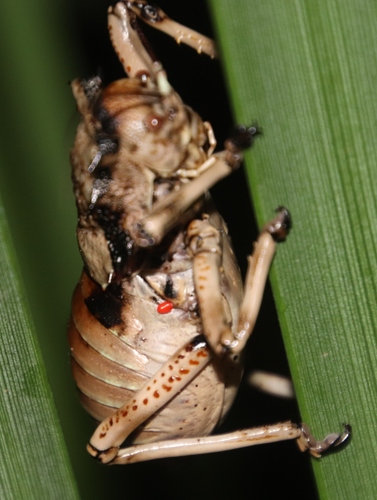
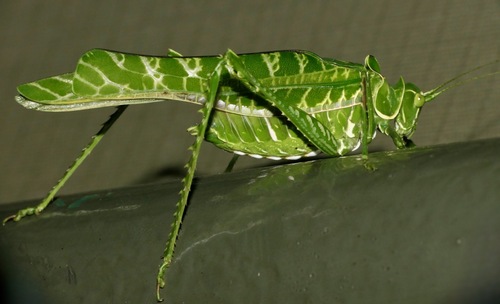
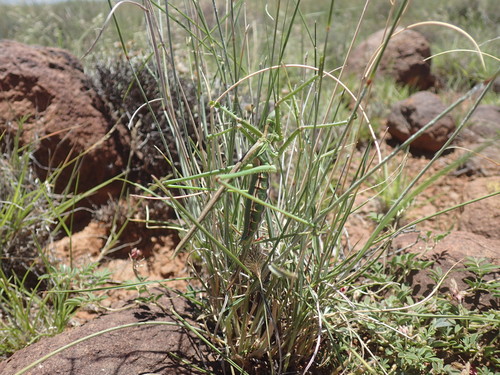
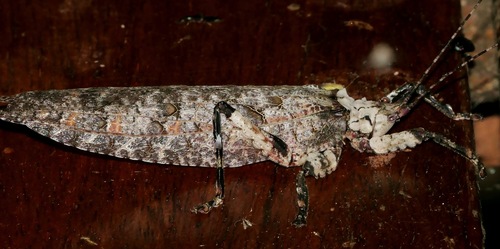
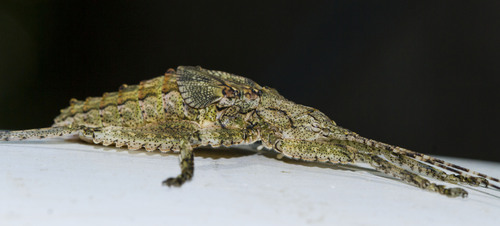
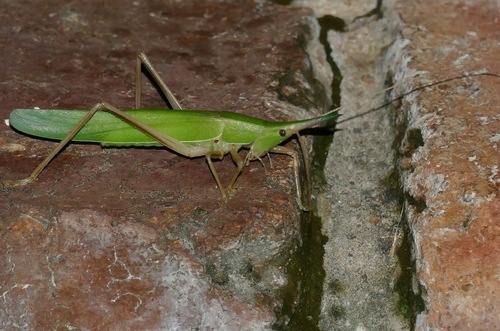
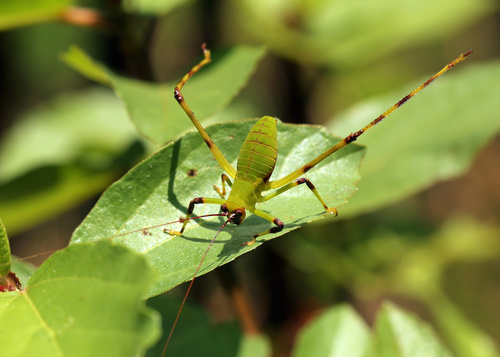
Acanthoplus discoidalis is a species in the Hetrodinae, a subfamily of the bush cricket or katydid family. Like its closest relatives, Acanthoplus discoidalis variously bears common names such as armoured katydid, armoured ground cricket, armoured bush cricket, corn cricket, setotojane and koringkriek. The species is native to parts of Angola, Namibia, Botswana, Zimbabwe and South Africa.

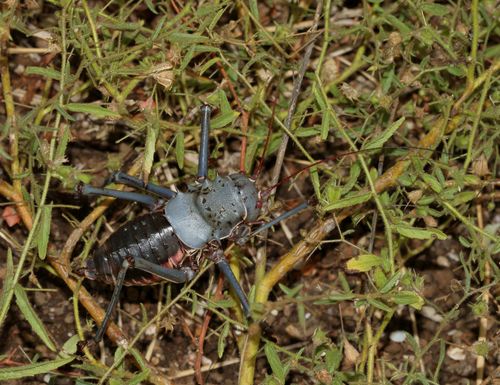
Acanthoplus discoidalis is a wide-bodied, flightless species that typically grows to a body length of about 5 cm/1.95 inches. The pronotum bears several sharp, conical spines. The mandibles, or main biting jaws, are powerful; they can inflict a painful nip and they permit the insect to feed on material such as tough herbage or carrion. Another defense against predators is reflex bleeding (also called "autohaemorrhaging") in which the insects squirt haemolymph from pores in their exoskeleton, achieving a range of a few centimetres.

Acanthoplus discoidalis is omnivorous and feeds opportunistically on many different foods. One source documented attacks on red-billed quelea nestlings and suggested that the insects might be able to detect the nests by auditory clues.

Especially... Wikipedia →
Global Distribution

Parks Where Found

# Park Country Daily sighting probability
1 Gonarezhou National Park 🇿🇼 Zimbabwe
~30%
2 Kruger National Park 🇿🇦 South Africa
~10%
3 Kgalagadi Transfrontier Park 🇿🇦 South Africa
~10%
4 Etosha National Park 🇳🇦 Namibia
~10%
5 Namib-Naukluft National Park 🇳🇦 Namibia
~10%

Before you go

What are the chances of seeing a Brown Armoured Corncricket in Kruger National Park?

With luck

About 10% of wildlife watchers report a Brown Armoured Corncricket sighting in Kruger National Park on a given day, based on 94 verified sightings from GBIF citizen-science data from 2019 to 2026. It is the 29th most-seen of the 748 insects we can rate there. Over three days the chance rises to about 30%, and over a week to about 60%, if each day is a fresh chance.

When is the best time to see a Brown Armoured Corncricket in Kruger National Park?

March

In that month about 30% of wildlife watchers report a Brown Armoured Corncricket in Kruger National Park on a given day, against under 5% in June to November, the lowest months.

What time of day is best to see a Brown Armoured Corncricket?

Between 8 and 11 am

Across all the parks we cover, that three-hour window holds the most Brown Armoured Corncricket sightings with a recorded time, and about 8 in 10 of them come between 6 am and 6 pm: it is a daytime animal.

Is Kruger National Park the best place to see a Brown Armoured Corncricket?

2nd of 5

Of the 5 parks where we can rate Brown Armoured Corncricket sightings, Kruger National Park ranks 2nd at about 10%. The best odds are in Gonarezhou National Park (Zimbabwe, about 30%).

Which relatives of the Brown Armoured Corncricket live in Kruger National Park?

Same family: Tettigoniidae

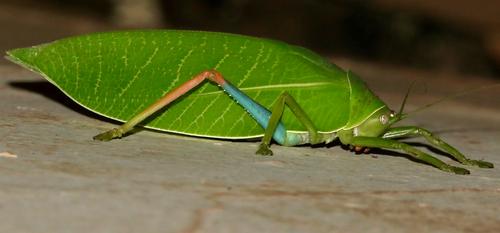
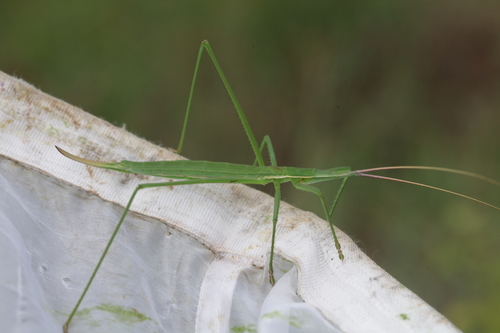
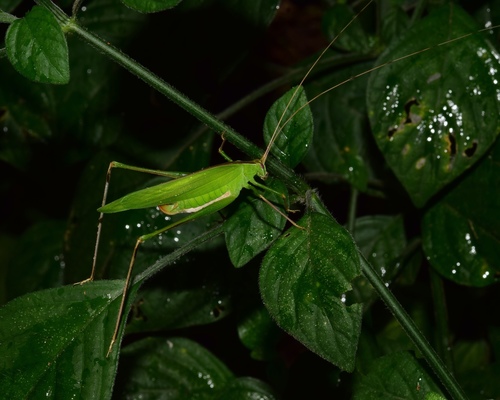
The closest relatives of the Brown Armoured Corncricket that you can see in Kruger National Park (family Tettigoniidae, Katydids) are Southern Horn Corncricket (about 10%), Zebra Acacia Katydid (about 10%) and Wahlberg's Clonia (about 10%), with each one's daily chance of a sighting.

Where does the Brown Armoured Corncricket sighting chance come from?

GBIF citizen-science records

It is estimated from how often the Brown Armoured Corncricket is recorded against all the insects logged in Kruger National Park (94 verified sightings from 2019 to 2026), calibrated against known sighting rates. Figures are rounded to the nearest 10% because citizen-science data supports honest approximations, not decimals, and months with records from fewer than five people show "—". How it works.

← Back to Kruger National Park