White Point

White Point

Amyna punctum

Daily sighting probability <5% · Rare
at Kruger National Park

In 3 days ~10% in a week ~30%

9 Verified sightings at Kruger National Park From 2019 to 2026
9 In 1 park
April Best month
🌙 Nocturnal When it's spotted

About the White Point

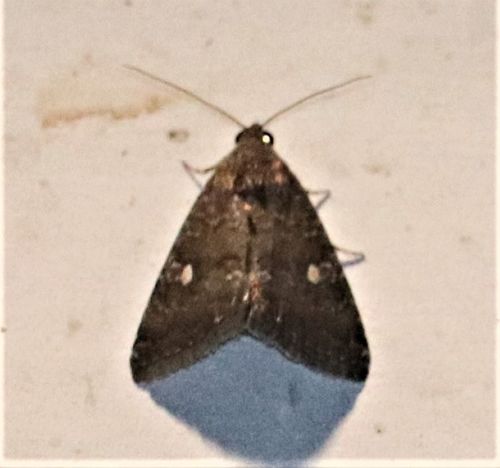
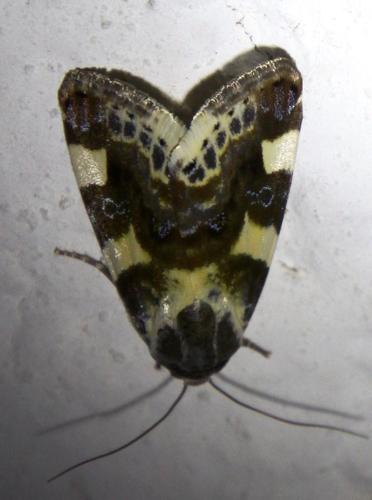
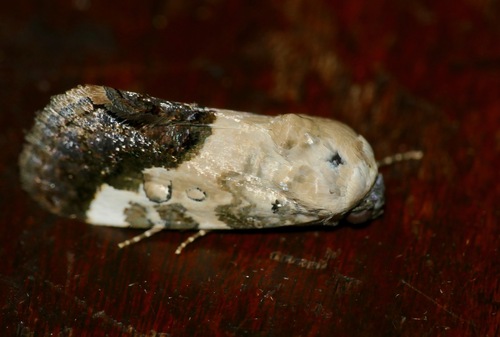
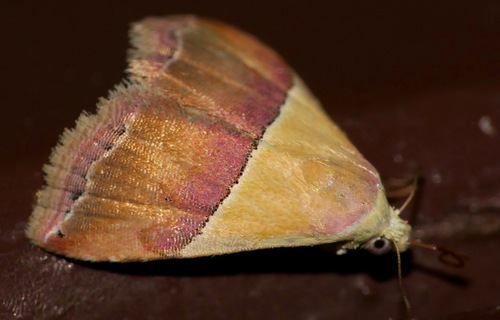
Amyna punctum is a moth of the family Noctuidae first described by Johan Christian Fabricius in 1794. This moth can be found throughout subtropical African countries such as South Africa, Madagascar and Australasian countries like India, Sri Lanka, the Philippines, Borneo and the Andaman Islands.

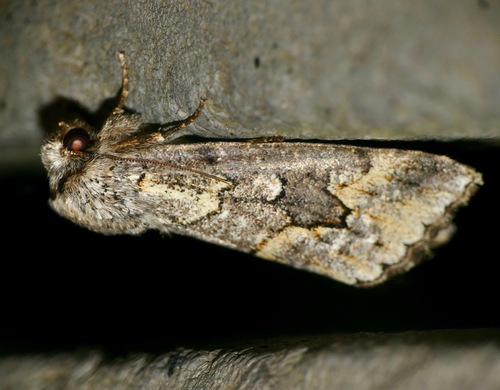
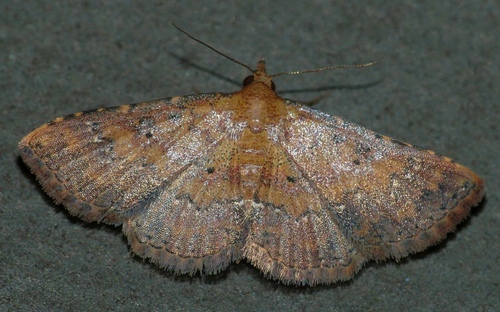
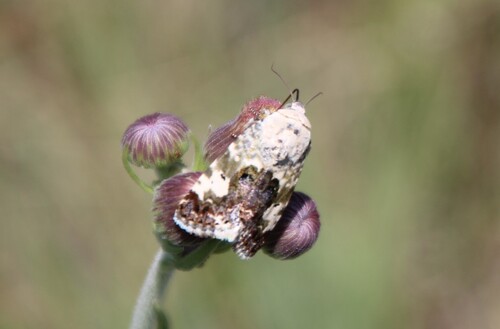
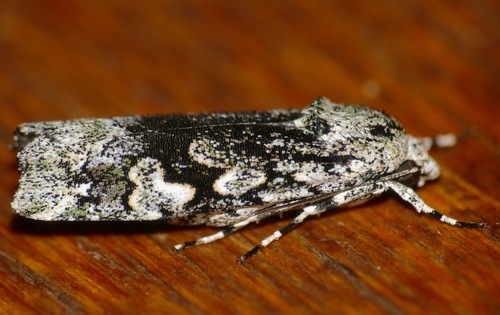
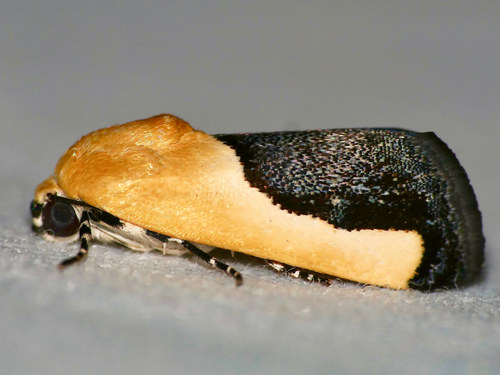
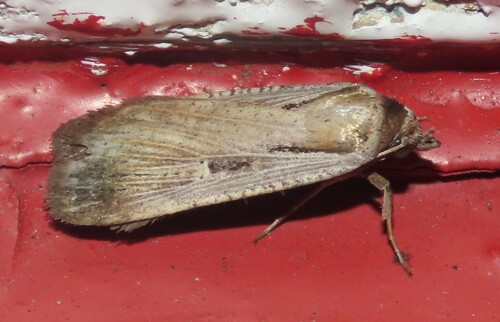
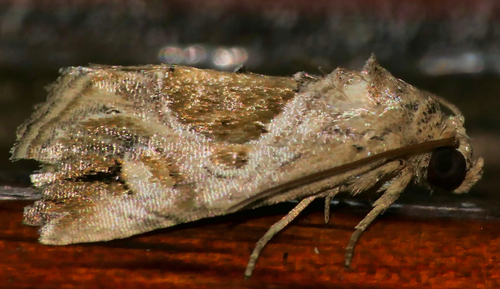
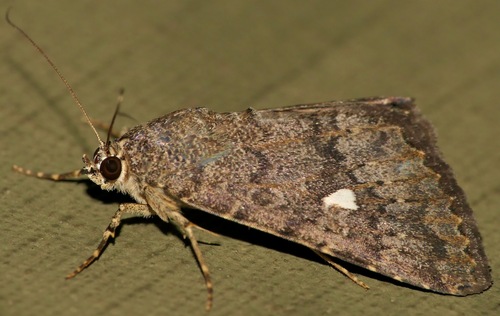
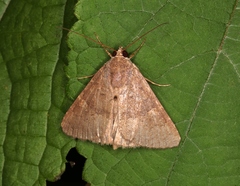
Its wingspan is about 30–36 mm. Forewings of the male with no vesicle in cell. Fuscous brown with an olive tinge in body. Legs ringed with ochreous. Forewings with irregularly waved black line on sub-basal, antemedial, postmedial and sub-marginal areas. Submarginal line indistinct. There is a marginal specks series can be seen. Orbicular and reniform very indistinct, where reniform with its lower part obscured by a prominent ochreous spot in the typical form. Hindwings with traces of a postmedial waved line. Ventral side suffused with white. There is a crenulate sub-marginal line of hindwings can be seen.

The larvae feed on Croton (Euphorbiaceae), Triticum vulgare, Gossypium species, and Tricitum aestivum. "Amyna punctum, (Fabricius, 1794)"[link removed]. African Moths. Archived 16 January 2016. Nielsen, E. S.; Edwards, E... Wikipedia →
Global Distribution

Parks Where Found

# Park Country Daily sighting probability
1 Kruger National Park 🇿🇦 South Africa
<5%

More parks will be added in future updates.

Before you go

What are the chances of seeing a White Point in Kruger National Park?

Rare

Under 5% of wildlife watchers report a White Point sighting in Kruger National Park on a given day, based on 9 verified sightings from GBIF citizen-science data from 2019 to 2026. It is the 430th most-seen of the 748 insects we can rate there. Over three days the chance rises to about 10%, and over a week to about 30%, if each day is a fresh chance.

When is the best time to see a White Point in Kruger National Park?

March and April

In those months about 10% of wildlife watchers report a White Point in Kruger National Park on a given day, against under 5% in May to February, the lowest months.

What time of day is best to see a White Point?

Between 7 and 10 pm

Across all the parks we cover, that three-hour window holds the most White Point sightings with a recorded time, and nearly all of them come between 6 pm and 6 am: it is mostly seen at night.

Where else can you see a White Point?

Only Kruger National Park, in our data

Kruger National Park is the only park on Wallace's Line with enough records to rate White Point sightings: under 5% of wildlife watchers there report one on a given day.

Where does the White Point sighting chance come from?

GBIF citizen-science records

It is estimated from how often the White Point is recorded against all the insects logged in Kruger National Park (9 verified sightings from 2019 to 2026), calibrated against known sighting rates. Figures are rounded to the nearest 10% because citizen-science data supports honest approximations, not decimals, and months with records from fewer than five people show "—". How it works.

← Back to Kruger National Park