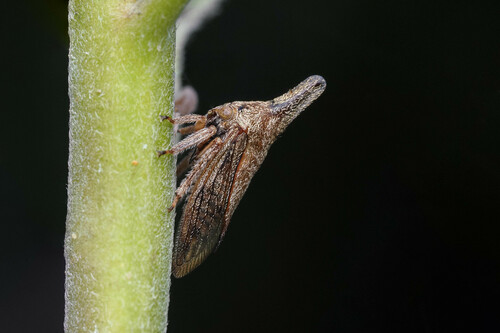
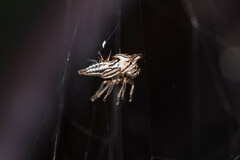
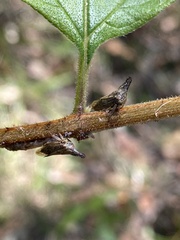
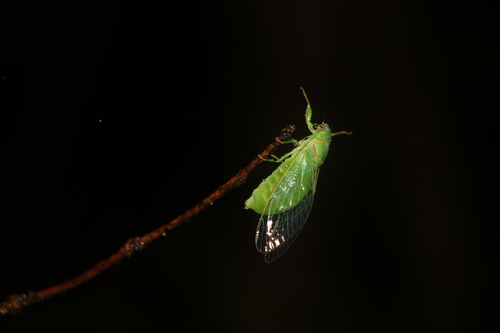
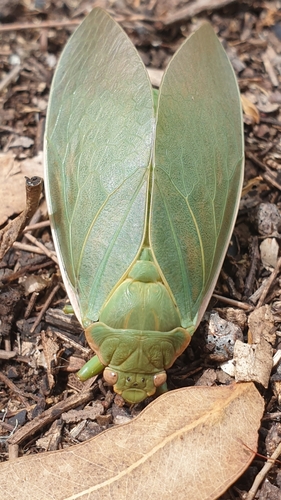
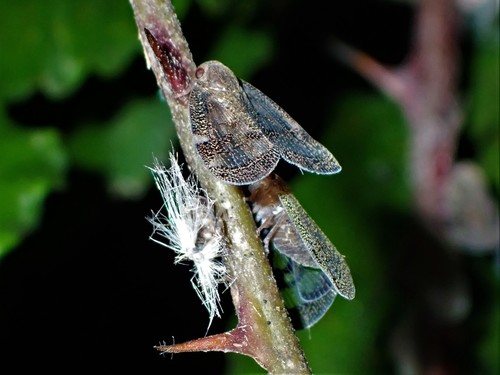
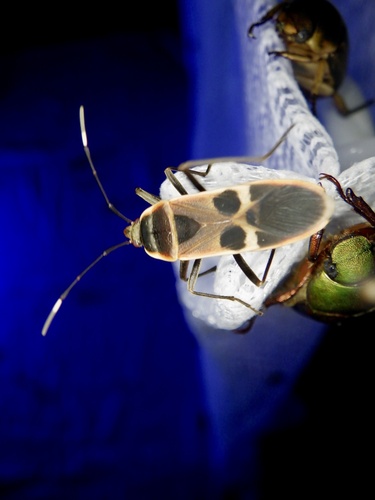
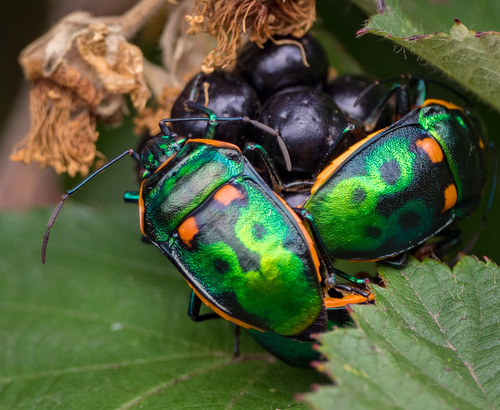
Lantana Treehopper

Lantana Treehopper

Aconophora compressa

Daily sighting probability ~10% · With luck
at Lamington National Park

In 3 days ~20% in a week ~50%

8 Verified sightings at Lamington National Park From 2019 to 2026
8 In 1 park
April Best month
☀️🌙 Day & Night When it's spotted

About the Lantana Treehopper

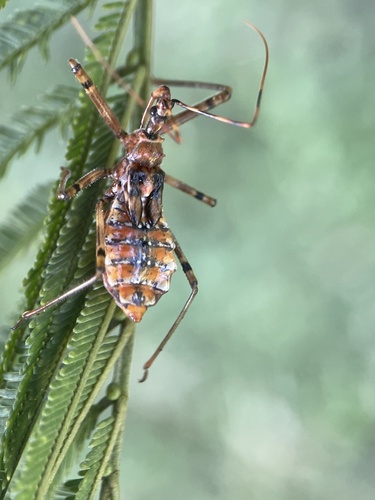
Aconophora compressa is a species of insect in the treehopper family, Membracidae. It is known by the common names lantana bug, lantana treehopper, lantana stemsucking treehopper, and lantana sap-sucking bug. This insect is native to Mexico, Central America, and Colombia. It is best known as an import to Australia, where it was introduced in 1995 as an agent of biological pest control for the invasive plant species lantana (Lantana camara). Since the introduction of the treehopper on lantana, it has also been found in abundance on fiddlewood (Citharexylum spinosum). The propensity of the insect to attack non-target plant species inspired greater attention to testing of potential biocontrol agents before their release. It also suggests the importance of monitoring such releases for longer periods to track their activity.

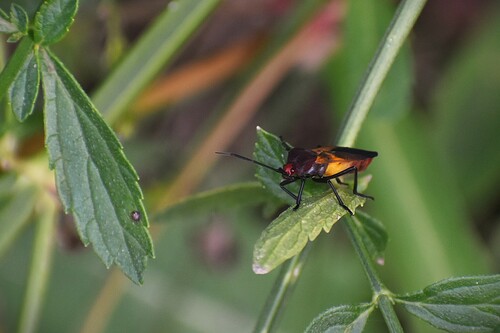
This treehopper is brown in color and up to 8 millimeters long with a thorn-shaped body. It produces a large amount of honeydew. The bug is gregarious, gathering in large numbers to suck the sap from the stems of plants. Most of its known host species are in the verbena family, Verbenaceae. In its native range in Mexico it is only associated with plants... Wikipedia →

Global Distribution

Parks Where Found

# Park Country Daily sighting probability
1 Lamington National Park 🇦🇺 Australia
~10%

More parks will be added in future updates.

Cities Where Found

# City Country Daily sighting probability
1 Brisbane 🇦🇺 Australia
~10%
2 Mexico City 🇲🇽 México
<5%
3 Sydney 🇦🇺 Australia
<5%

Before you go

What are the chances of seeing a Lantana Treehopper in Lamington National Park?

With luck

About 10% of wildlife watchers report a Lantana Treehopper sighting in Lamington National Park on a given day, based on 8 verified sightings from GBIF citizen-science data from 2019 to 2026. It is the 227th most-seen of the 430 insects we can rate there. Over three days the chance rises to about 20%, and over a week to about 50%, if each day is a fresh chance.

When is the best time to see a Lantana Treehopper in Lamington National Park?

March and April

In those months about 20% of wildlife watchers report a Lantana Treehopper in Lamington National Park on a given day, against under 5% in June, August–September and November–February, the lowest months.

What time of day is best to see a Lantana Treehopper?

Between 2 and 5 pm

Across all the parks we cover, that three-hour window holds the most Lantana Treehopper sightings with a recorded time, and about 6 in 10 of them come between 6 am and 6 pm: it is seen both by day and at night.

Where else can you see a Lantana Treehopper?

Only Lamington National Park, in our data

Lamington National Park is the only park on Wallace's Line with enough records to rate Lantana Treehopper sightings: about 10% of wildlife watchers there report one on a given day.

Which relatives of the Lantana Treehopper live in Lamington National Park?

Same order: Hemiptera

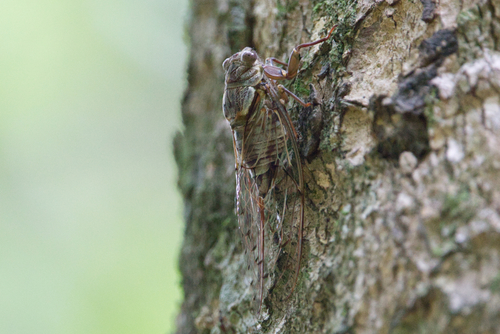
The closest relatives of the Lantana Treehopper that you can see in Lamington National Park (order Hemiptera, True Bugs, Hoppers, Aphids, and allies) are Razor Grinder (about 20%), Small Bottle Cicada (about 20%) and Lychee Stink Bug (about 20%), with each one's daily chance of a sighting.

Where does the Lantana Treehopper sighting chance come from?

GBIF citizen-science records

It is estimated from how often the Lantana Treehopper is recorded against all the insects logged in Lamington National Park (8 verified sightings from 2019 to 2026), calibrated against known sighting rates. Figures are rounded to the nearest 10% because citizen-science data supports honest approximations, not decimals, and months with records from fewer than five people show "—". How it works.

← Back to Lamington National Park