Andean Avocet

Andean Avocet

Recurvirostra andina

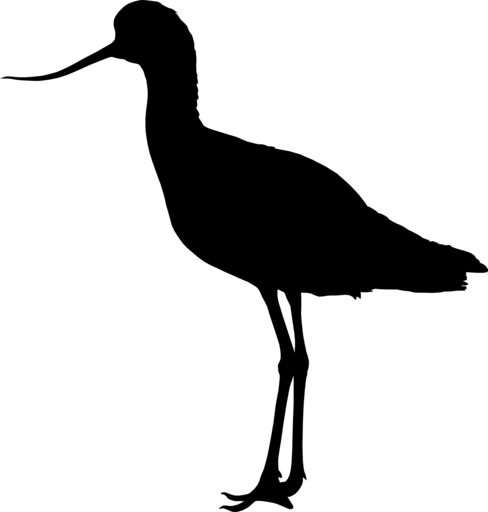
Silhouette: Alexandre Vong · PhyloPic

LCLeast ConcernNTVUENCR
Daily sighting probability ~40% · Likely
at Lauca National Park

In 3 days ~80% in a week >90%

356 Verified sightings at Lauca National Park From 2019 to 2026
356 In 1 park
July Best month
☀️ Diurnal When it's spotted

About the Andean Avocet

The Andean avocet (Recurvirostra andina) is a large wader in the avocet and stilt bird family, Recurvirostridae. It is resident in the Andes, breeding above 3500 m in northwestern Argentina, western Bolivia, northern Chile and southern Peru.

This avocet has a white head, neck, underparts and rump, and dark brown back, wings and tail. It is similar in size but slightly bulkier than the American avocet, at 43–48 cm (17–19 in) in length and 315–410 g (11.1–14.5 oz) in weight. Average body mass is 361 g (12.7 oz), making it likely the heaviest of the Recurvirostridae family. The thin, grey legs are not as long as with other avocet species, but the long thin black bill is upturned at the end. The sexes are similar, and the juvenile plumage is undescribed.

The colour pattern is similar to that of the local subspecies Himantopus himantopus melanurus of black-winged stilt, but that bird has very long red legs a white tail and a straight bill. The Andean avocet nests near shallow, preferably alkaline lakes in the Andes, often in small groups. The eggs are laid in at least January.

This species is non-migratory, but may move to slightly lower altitudes when not... Wikipedia →

Sounds

Call1:09

Peru · 2009

© Peter Boesman · XC229044 · CC BY-NC-ND 4.0

Song0:10

Argentina · 2005

© Myriam Velazquez · XC55455 · CC BY-NC-ND 2.5

Call0:31

Bolivia · 2013

© Andrew Spencer · XC146959 · CC BY-NC-SA 3.0

Global Distribution

Parks Where Found

# Park Country Daily sighting probability
1 Lauca National Park 🇨🇱 Chile
~40%

More parks will be added in future updates.

Cities Where Found

# City Country Daily sighting probability
1 Cochabamba 🇧🇴 Bolivia
~20%

Before you go

What are the chances of seeing an Andean Avocet in Lauca National Park?

Likely

About 40% of wildlife watchers report an Andean Avocet sighting in Lauca National Park on a given day, based on 356 verified sightings from GBIF citizen-science data from 2019 to 2026. It is the 34th most-seen of the 112 birds we can rate there. Over three days the chance rises to about 80%, and over a week to over 90%, if each day is a fresh chance.

When is the best time to see an Andean Avocet in Lauca National Park?

January, July and October

In those months about 50% of wildlife watchers report an Andean Avocet in Lauca National Park on a given day, against about 20% in May, the lowest month.

What time of day is best to see an Andean Avocet?

Between 1 and 4 pm

Across all the parks we cover, that three-hour window holds the most Andean Avocet sightings with a recorded time, and about 9 in 10 of them come between 6 am and 6 pm: it is a daytime animal.

Where else can you see an Andean Avocet?

Only Lauca National Park, in our data

Lauca National Park is the only park on Wallace's Line with enough records to rate Andean Avocet sightings: about 40% of wildlife watchers there report one on a given day.

Which relatives of the Andean Avocet live in Lauca National Park?

Same order: Charadriiformes

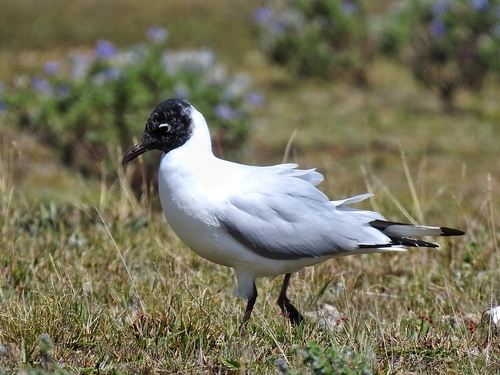
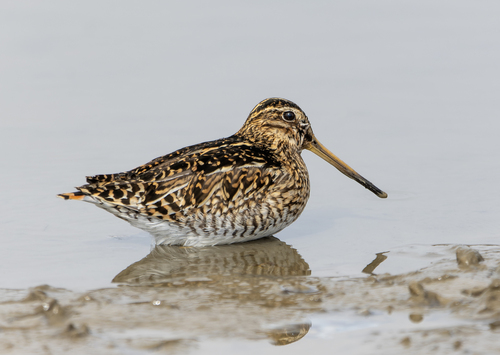
The closest relatives of the Andean Avocet that you can see in Lauca National Park (order Charadriiformes, Shorebirds and Allies) are Andean Gull (about 50%), Andean Lapwing (about 40%) and Gray-breasted Seedsnipe (about 40%), with each one's daily chance of a sighting.

Where does the Andean Avocet sighting chance come from?

GBIF citizen-science records

It is estimated from how often the Andean Avocet is recorded against all the birds logged in Lauca National Park (356 verified sightings from 2019 to 2026), calibrated against known sighting rates. Figures are rounded to the nearest 10% because citizen-science data supports honest approximations, not decimals, and months with records from fewer than five people show "—". How it works.

← Back to Lauca National Park