




Completed
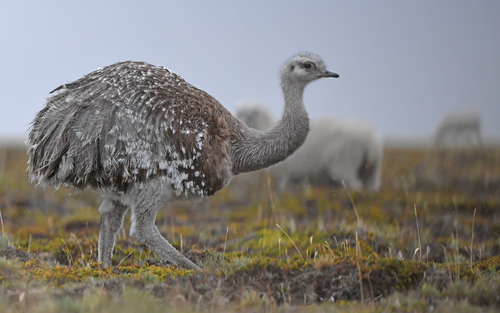
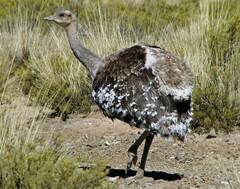



Lesser Rhea
Rhea pennata
Silhouette: Kai Caspar · PhyloPic
- KingdomAnimalia (Animals)
- PhylumChordata (Chordates)
- ClassAves (Birds)
- OrderRheiformes (Rheas)
- FamilyRheidae (Rheas)
- GenusRhea (Rheas)
- SpeciesRhea pennata (Lesser Rhea)
In 3 days ~60% in a week ~90%
239 Verified sightings at Lauca National Park From 2019 to 2026
747 In all 3 parks
January Best month
☀️ Diurnal When it's spotted
About the Lesser Rhea
Darwin's rhea or the lesser rhea (Rhea pennata) is a large flightless bird, the smaller of the two extant species of rheas. It is found in the Altiplano and Patagonia in South America. The lesser rhea stands at 90 to 100 cm (35–39 in) tall. Length is 92 to 100 cm (36–39 in) and weight is 15 to 28.6 kg (33–63 lb). Like most ratites, it has a small head and a small bill, the latter measuring 6.2 to 9.2 cm (2.4 to 3.6 in), but has long legs and a long neck. It has relatively larger wings than other ratites, enabling it to run particularly well. It can reach speeds of 60 km/h (37 mph), enabling it to outrun predators. The sharp claws on the toes are effective weapons. Their feathers are similar to those of ostriches, in that they have no aftershaft. Their plumage is spotted brown and white, and the upper part of their tarsus is feathered. The tarsus is 28 to 32 cm (11 to 13 in) long and has 18 horizontal plates on the front.
It is known as ñandú petiso, or ñandú del norte, in Argentina, where the majority live. Other names are suri and choique. The name ñandú comes from the greater rhea's name in Guaraní, ñandu guazu, meaning big spider, possibly in relation... Wikipedia →
Recent sightings of Lesser Rhea in Lauca National Park
LIVEiNaturalistGlobal Distribution
Parks Where Found
| # | Park | Country | Daily sighting probability |
|---|---|---|---|
| 1 | Península Valdés | 🇦🇷 Argentina | |
| 2 | Lauca National Park | 🇨🇱 Chile | |
| 3 | Torres del Paine National Park | 🇨🇱 Chile |
Zoos & Centres Where Found
Closest Relatives at Lauca National Park
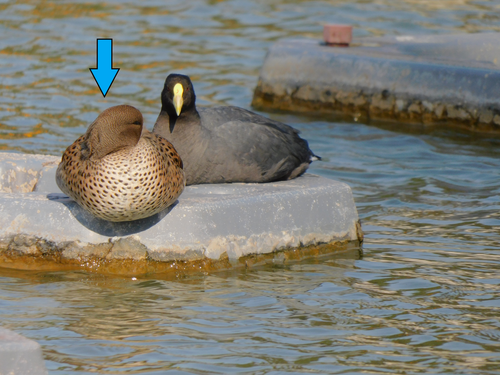
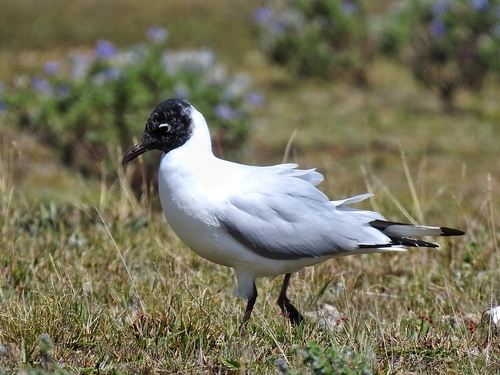
No species of the same family or order lives in Lauca National Park, so these are its closest relatives here: other birds.





Before you go
What are the chances of seeing a Lesser Rhea in Lauca National Park?
Possible
About 30% of wildlife watchers report a Lesser Rhea sighting in Lauca National Park on a given day, based on 239 verified sightings from GBIF citizen-science data from 2019 to 2026. It is the 50th most-seen of the 112 birds we can rate there. Over three days the chance rises to about 60%, and over a week to about 90%, if each day is a fresh chance.
When is the best time to see a Lesser Rhea in Lauca National Park?
January, March and July
In those months about 40% of wildlife watchers report a Lesser Rhea in Lauca National Park on a given day, against about 10% in August and September, the lowest months. Those are among Lauca National Park's wettest months, with about 85 mm of rain a month against almost none in May.
What time of day is best to see a Lesser Rhea?
Between 10 am and 1 pm
Across all the parks we cover, that three-hour window holds the most Lesser Rhea sightings with a recorded time, and about 9 in 10 of them come between 6 am and 6 pm: it is a daytime animal.
Is Lauca National Park the best place to see a Lesser Rhea?
2nd of 3
Of the 3 parks where we can rate Lesser Rhea sightings, Lauca National Park ranks 2nd at about 30%. The best odds are in Península Valdés (Argentina, about 40%).
Where does the Lesser Rhea sighting chance come from?
GBIF citizen-science records
It is estimated from how often the Lesser Rhea is recorded against all the birds logged in Lauca National Park (239 verified sightings from 2019 to 2026), calibrated against known sighting rates. Figures are rounded to the nearest 10% because citizen-science data supports honest approximations, not decimals, and months with records from fewer than five people show "—". How it works.
