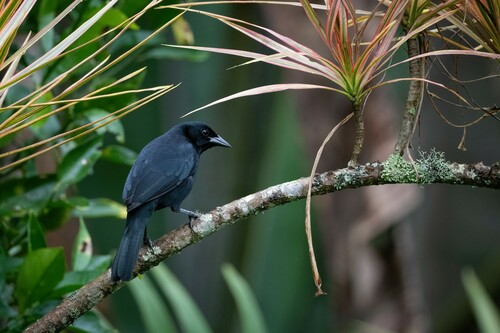
Galápagos Petrel

Galápagos Petrel

Pterodroma phaeopygia

Silhouette: Kimberly Haddrell · PhyloPic

LCNTVUENCRCritically Endangered
Daily sighting probability <5% · Rare
at Machalilla National Park

In 3 days <5% in a week ~10%

5 Verified sightings at Machalilla National Park From 2019 to 2026
2,515 In all 2 parks
November Best month
☀️ Diurnal When it's spotted

About the Galápagos Petrel

The Galápagos petrel (Pterodroma phaeopygia) is one of the six endemic seabirds of the Galápagos. Its scientific name derives from Ancient Greek: Pterodroma originates from pteron and dromos, meaning "wing" and "runner", and phaeopygia comes from phaios and pugios, meaning "dusky" and "rump". Members of Pterodroma genus are also called the gadfly petrels because their erratic twisting and turning in flight resemble that of gadflies.

Known by locals as pata pegada or "web-footed one", Galápagos petrels are highly adapted to the ocean and spend most of their time at sea eating invertebrates and fish. At sea, they are indistinguishable from the Hawaiian petrels: consequently, they were considered the same species for a while. When breeding season arises, they return to their large colonies located on the highlands of some Galápagos islands.

The populations of Galápagos petrels have declined substantially over the last three generations (60 years) due to anthropogenic disturbances. Introduced predation (i.e. feral cats, dogs, pigs, and rats) and agricultural expansion have decreased the species' overall breeding success, survivability, and quality of habitats and nesting colonies. Although many conservation efforts are underway, its populations are currently still declining with an estimate of 6,000–15,000 mature individuals remaining. The species is now classified under "critically endangered" in the IUCN Red List of Threatened Species. Wikipedia →

Sounds

Alarm call0:10

Ecuador · 2021

© Jacob Guachisaca Salínas · XC832718 · CC BY-NC-SA 4.0

Global Distribution

Parks Where Found

# Park Country Daily sighting probability
1 Galápagos Islands 🇪🇨 Ecuador
~20%
2 Machalilla National Park 🇪🇨 Ecuador
<5%

Before you go

What are the chances of seeing a Galápagos Petrel in Machalilla National Park?

Rare

Under 5% of wildlife watchers report a Galápagos Petrel sighting in Machalilla National Park on a given day, based on 5 verified sightings from GBIF citizen-science data from 2019 to 2026. It is the 237th most-seen of the 248 birds we can rate there. Over three days the chance rises to under 5%, and over a week to about 10%, if each day is a fresh chance.

When is the best time to see a Galápagos Petrel in Machalilla National Park?

November

In that month about 10% of wildlife watchers report a Galápagos Petrel in Machalilla National Park on a given day, against under 5% in December to October, the lowest months. That is one of Machalilla National Park's driest months, with about 10 mm of rain against 140 mm in February.

What time of day is best to see a Galápagos Petrel?

Between 8 and 11 am

Across all the parks we cover, that three-hour window holds the most Galápagos Petrel sightings with a recorded time, and about 9 in 10 of them come between 6 am and 6 pm: it is a daytime animal.

Is Machalilla National Park the best place to see a Galápagos Petrel?

2nd of 2

Of the 2 parks where we can rate Galápagos Petrel sightings, Machalilla National Park ranks 2nd at under 5%. The best odds are in Galápagos Islands (Ecuador, about 20%).

Where does the Galápagos Petrel sighting chance come from?

GBIF citizen-science records

It is estimated from how often the Galápagos Petrel is recorded against all the birds logged in Machalilla National Park (5 verified sightings from 2019 to 2026), calibrated against known sighting rates. Figures are rounded to the nearest 10% because citizen-science data supports honest approximations, not decimals, and months with records from fewer than five people show "—". How it works.

← Back to Machalilla National Park