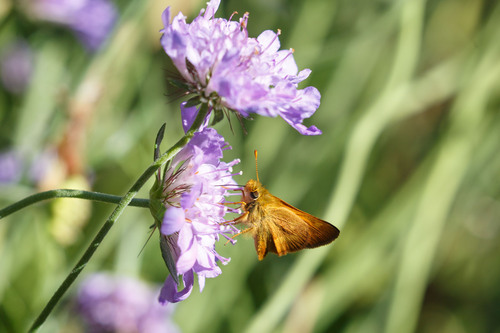
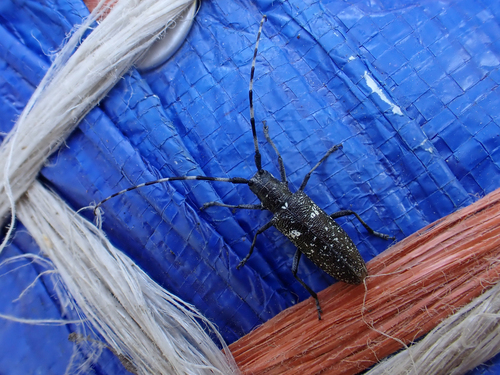
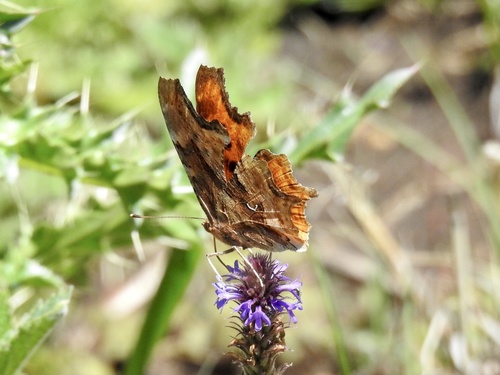
Dicosmoecus gilvipes

Dicosmoecus gilvipes

Dicosmoecus gilvipes

Daily sighting probability <5% · Rare
at Olympic National Park

In 3 days ~10% in a week ~20%

5 Verified sightings at Olympic National Park From 2019 to 2026
5 In 1 park
November Best month
☀️ Diurnal When it's spotted

About the Dicosmoecus gilvipes

Dicosmoecus gilvipes is a species of northern caddisfly in the family Limnephilidae. This particular caddisfly is found in and near streams of North America, from northern California and Colorado to British Columbia and as eastern to Nevada, Idaho, Montana and Alberta. D. gilvipes is commonly known as the October Caddis, Autumn Caddis or Giant Orange Sedge, due to their flying presence acknowledged in the Autumn. Caddisflies are known to build cases when they are in larvae stages, to protect themselves from predators, such as dragonflies, salmon and trout. The October Caddisfly is no different and builds their cases out of different organic materials during their five larvae stages.

D. gilvipes occur in the Nearctic and eastern Palaearctic regions. This species can be found in and near streams within mid-elevations. Males fly more often than females, due to the release of pheromones produced by the females. Females limit flying to make their pheromone trail more apparent to the males for mating. Copulation between mating pairs can last up to 16 hours, and the pair stay together until throughout the attraction period to ensure... Wikipedia →

Global Distribution

Parks Where Found

# Park Country Daily sighting probability
1 Olympic National Park 🇺🇸 United States
<5%

More parks will be added in future updates.

Before you go

What are the chances of seeing a Dicosmoecus gilvipes in Olympic National Park?

Rare

Under 5% of wildlife watchers report a Dicosmoecus gilvipes sighting in Olympic National Park on a given day, based on 5 verified sightings from GBIF citizen-science data from 2019 to 2026. It is the 182nd most-seen of the 207 insects we can rate there. Over three days the chance rises to about 10%, and over a week to about 20%, if each day is a fresh chance.

When is the best time to see a Dicosmoecus gilvipes in Olympic National Park?

June and October–November

In those months about 10% of wildlife watchers report a Dicosmoecus gilvipes in Olympic National Park on a given day, against under 5% in July–September and December–May, the lowest months.

What time of day is best to see a Dicosmoecus gilvipes?

Between 1 and 4 pm

Across all the parks we cover, that three-hour window holds the most Dicosmoecus gilvipes sightings with a recorded time, and nearly all of them come between 6 am and 6 pm: it is a daytime animal.

Where else can you see a Dicosmoecus gilvipes?

Only Olympic National Park, in our data

Olympic National Park is the only park on Wallace's Line with enough records to rate Dicosmoecus gilvipes sightings: under 5% of wildlife watchers there report one on a given day.

Where does the Dicosmoecus gilvipes sighting chance come from?

GBIF citizen-science records

It is estimated from how often the Dicosmoecus gilvipes is recorded against all the insects logged in Olympic National Park (5 verified sightings from 2019 to 2026), calibrated against known sighting rates. Figures are rounded to the nearest 10% because citizen-science data supports honest approximations, not decimals, and months with records from fewer than five people show "—". How it works.

← Back to Olympic National Park