Northwestern Phoenix Moth

Northwestern Phoenix Moth

Eulithis xylina

Daily sighting probability ~10% · With luck
at Pacific Rim National Park Reserve

In 3 days ~20% in a week ~40%

9 Verified sightings at Pacific Rim National Park Reserve From 2019 to 2026
9 In 1 park
July Best month
☀️🌙 Day & Night When it's spotted

About the Northwestern Phoenix Moth

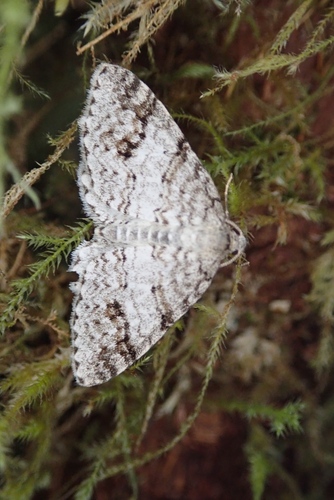
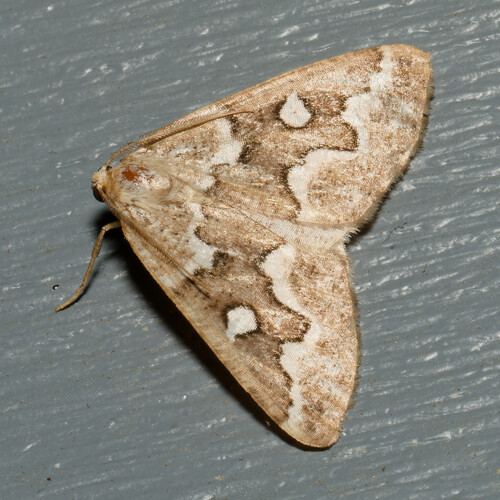
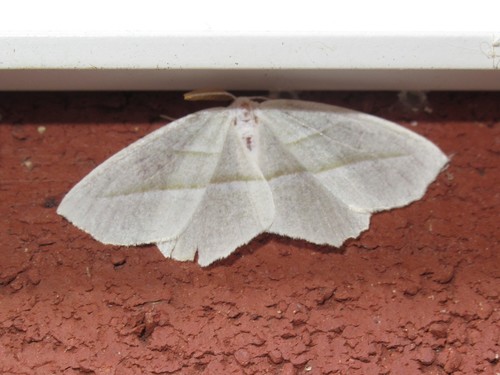
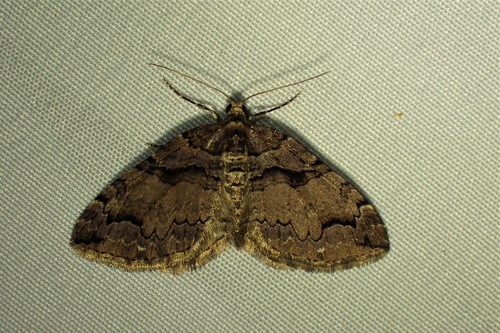
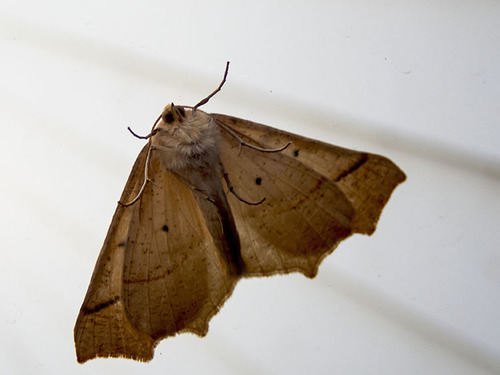
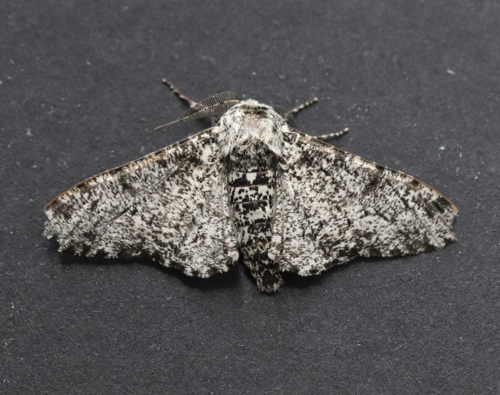
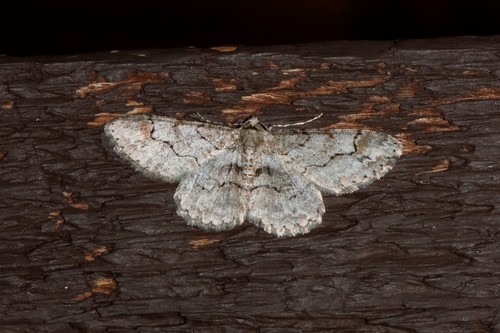
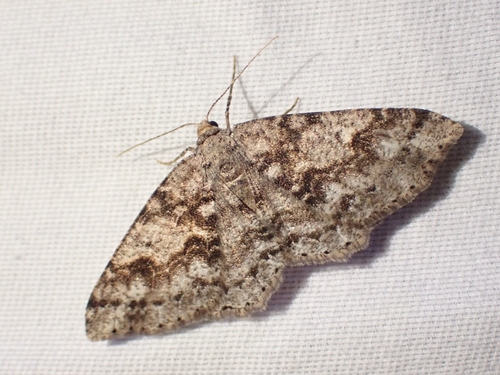
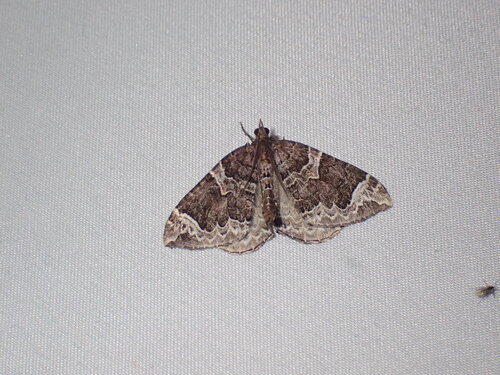
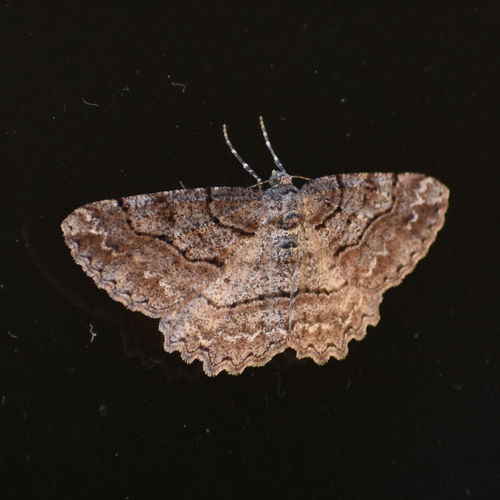
Eulithis xylina, the Northwestern Phoenix moth, is a species of Geometrid moth in the family Geometridae. It is a common nocturnal moth with reddish-brown marbled scales intersected with lacy white bands. The larva feeds on a wide range of broad plants. It is found in western North America.

The species was first described by George D. Hulst in “A classification of the Geometrina of North America…” in 1896, under the name Neolexia xylina. The name was moved to the genus Eulithis by Douglas C. Ferguson in 1983. The original description of the species holotype by George Hulst from 1896 can be read in “Classification of the geometrina of North America”.

Eulithis xylina speciosa Eulithis xylina xylina Western North America, from Alaska to California and east as far as Colorado and in the boreal forests of Alberta and into Saskatchewan. The majority of sightings are west of the Cascade mountains in British Columbia, Washington and Oregon. It inhabits mesic deciduous, mixedwood forests and riparian habitats.

There is substantial morphological variability within the genus. Wingspan is approx. 29-32mm. Forewing length 15-18 mm. Females... Wikipedia →
Global Distribution

Parks Where Found

# Park Country Daily sighting probability
1 Pacific Rim National Park Reserve 🇨🇦 Canada
~10%

More parks will be added in future updates.

Cities Where Found

# City Country Daily sighting probability
1 Edmonton 🇨🇦 Canada
<5%
2 Portland 🇺🇸 United States
<5%

Before you go

What are the chances of seeing a Northwestern Phoenix Moth in Pacific Rim National Park Reserve?

With luck

About 10% of wildlife watchers report a Northwestern Phoenix Moth sighting in Pacific Rim National Park Reserve on a given day, based on 9 verified sightings from GBIF citizen-science data from 2019 to 2026. It is the 68th most-seen of the 107 insects we can rate there. Over three days the chance rises to about 20%, and over a week to about 40%, if each day is a fresh chance.

When is the best time to see a Northwestern Phoenix Moth in Pacific Rim National Park Reserve?

July

In that month about 20% of wildlife watchers report a Northwestern Phoenix Moth in Pacific Rim National Park Reserve on a given day, against under 5% in September to June, the lowest months. That is one of Pacific Rim National Park Reserve's driest months, with about 40 mm of rain against 470 mm in November.

What time of day is best to see a Northwestern Phoenix Moth?

Between 8 and 11 am

Across all the parks we cover, that three-hour window holds the most Northwestern Phoenix Moth sightings with a recorded time, and about 6 in 10 of them come between 6 am and 6 pm: it is seen both by day and at night.

Where else can you see a Northwestern Phoenix Moth?

Only Pacific Rim National Park Reserve, in our data

Pacific Rim National Park Reserve is the only park on Wallace's Line with enough records to rate Northwestern Phoenix Moth sightings: about 10% of wildlife watchers there report one on a given day.

Which relatives of the Northwestern Phoenix Moth live in Pacific Rim National Park Reserve?

Same family: Geometridae

The closest relatives of the Northwestern Phoenix Moth that you can see in Pacific Rim National Park Reserve (family Geometridae, Geometer Moths) are Brown-Lined Looper (about 10%), Welsh Wave Moth (about 10%) and Gray Spruce Looper Moth (about 10%), with each one's daily chance of a sighting.

Where does the Northwestern Phoenix Moth sighting chance come from?

GBIF citizen-science records

It is estimated from how often the Northwestern Phoenix Moth is recorded against all the insects logged in Pacific Rim National Park Reserve (9 verified sightings from 2019 to 2026), calibrated against known sighting rates. Figures are rounded to the nearest 10% because citizen-science data supports honest approximations, not decimals, and months with records from fewer than five people show "—". How it works.

← Back to Pacific Rim National Park Reserve