Brown-Lined Looper

Brown-Lined Looper

Neoalcis californiaria

Daily sighting probability ~10% · With luck
at Pacific Rim National Park Reserve

In 3 days ~30% in a week ~60%

20 Verified sightings at Pacific Rim National Park Reserve From 2019 to 2026
56 In all 3 parks
August Best month
☀️🌙 Day & Night When it's spotted

About the Brown-Lined Looper

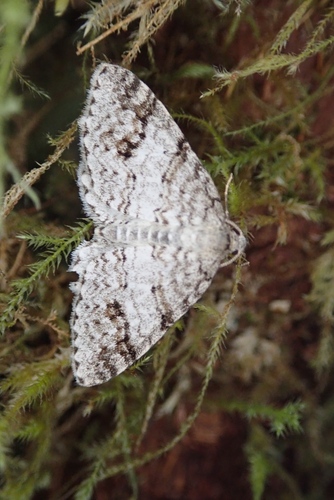
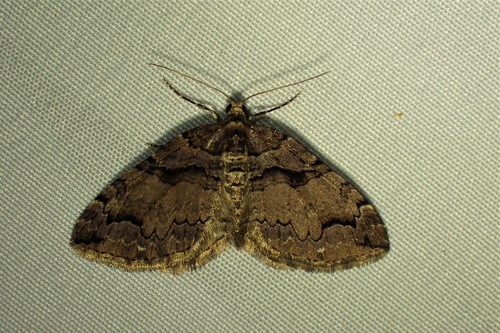
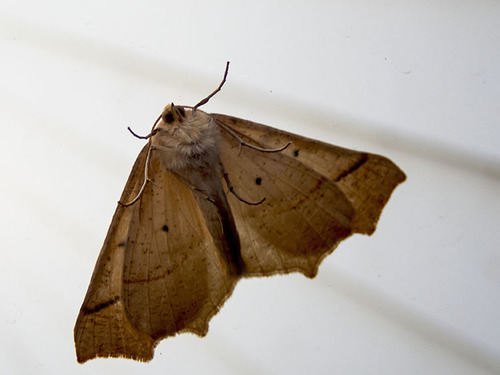
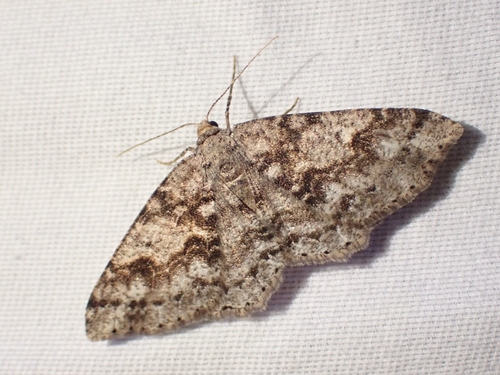
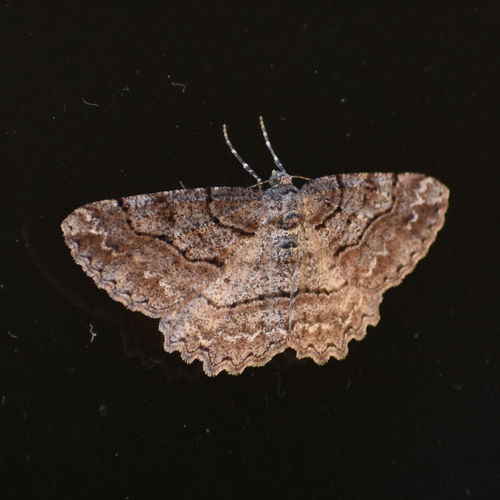
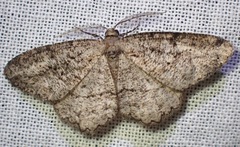
Neoalcis californiaria, the Brown-lined looper, is a common North American moth, with a range along the west coast from British Columbia to California. Its larva is a looper (inchworm) caterpillar that feeds on Douglas Fir and other conifers trees. It is identified by the position of three dark lines on each wing and scalloped edges of the hindwing.

Neoalcis is a monotypic genus of moths in the family Geometridae erected by James Halliday McDunnough in 1920. It is the only species in the genus, and was first described by Packard in 1871. The wingspan is about 34 mm.

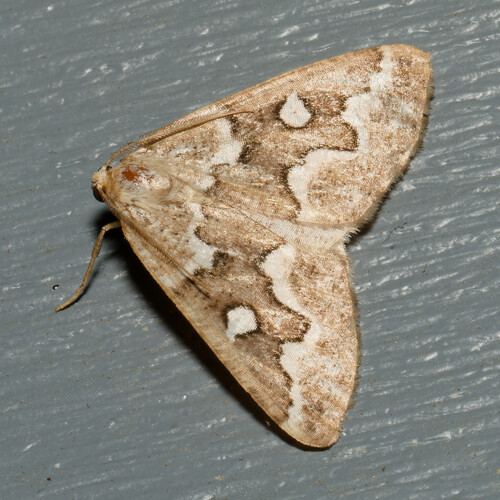
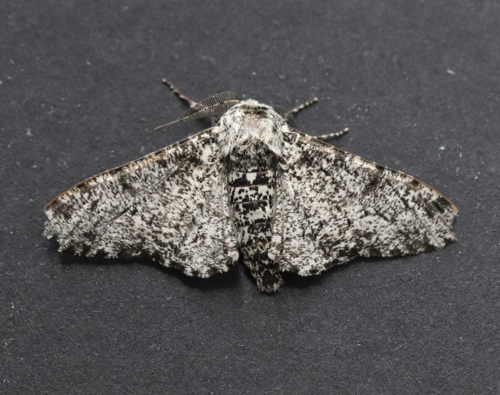
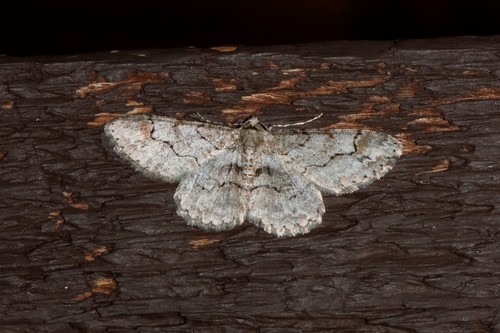
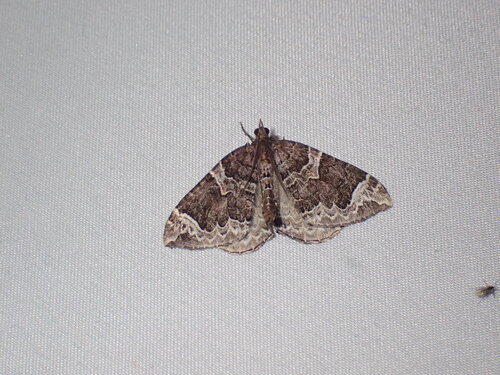
The Brown-lined Looper's ground color ranges from ashy gray, to light brown to dark brown, with numerous brown speckles and variable patches of darker shading between crosslines. Wing edges are scalloped. It has three dark transverse lines on both forewing and hindwing, however the middle line may be obscure. When in a resting posture, with wings spread, the darkest crossline (the PM line) of the hindwing is set lower and dose not line up with the darkest line of the forewing.

On the forewing, the basal line is curved convexly and ends on the costa at the basal third. The middle line is broader towards... Wikipedia →
Global Distribution

Parks Where Found

# Park Country Daily sighting probability
1 Pacific Rim National Park Reserve 🇨🇦 Canada
~10%
2 Great Bear Rainforest 🇨🇦 Canada
~10%
3 Olympic National Park 🇺🇸 United States
~10%

Cities Where Found

# City Country Daily sighting probability
1 Portland 🇺🇸 United States
~10%
2 Seattle 🇺🇸 United States
~10%
3 Vancouver 🇨🇦 Canada
<5%
4 Sacramento 🇺🇸 United States
<5%
5 San Francisco 🇺🇸 United States
<5%

Before you go

What are the chances of seeing a Brown-Lined Looper in Pacific Rim National Park Reserve?

With luck

About 10% of wildlife watchers report a Brown-Lined Looper sighting in Pacific Rim National Park Reserve on a given day, based on 20 verified sightings from GBIF citizen-science data from 2019 to 2026. It is the 26th most-seen of the 107 insects we can rate there. Over three days the chance rises to about 30%, and over a week to about 60%, if each day is a fresh chance.

When is the best time to see a Brown-Lined Looper in Pacific Rim National Park Reserve?

August

In that month about 30% of wildlife watchers report a Brown-Lined Looper in Pacific Rim National Park Reserve on a given day, against under 5% in September to May, the lowest months. That is one of Pacific Rim National Park Reserve's driest months, with about 70 mm of rain against 470 mm in November.

What time of day is best to see a Brown-Lined Looper?

Between 8 and 11 am

Across all the parks we cover, that three-hour window holds the most Brown-Lined Looper sightings with a recorded time, and about 6 in 10 of them come between 6 am and 6 pm: it is seen both by day and at night.

Is Pacific Rim National Park Reserve the best place to see a Brown-Lined Looper?

Yes

Of the 3 parks where we can rate Brown-Lined Looper sightings, Pacific Rim National Park Reserve has the highest daily chance: about 10%. Next come Great Bear Rainforest (Canada, about 10%) and Olympic National Park (United States, about 10%).

Which relatives of the Brown-Lined Looper live in Pacific Rim National Park Reserve?

Same family: Geometridae

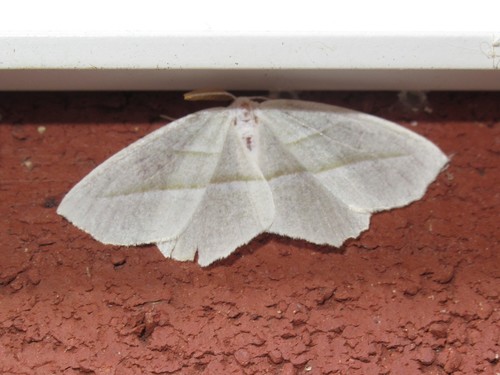
The closest relatives of the Brown-Lined Looper that you can see in Pacific Rim National Park Reserve (family Geometridae, Geometer Moths) are Welsh Wave Moth (about 10%), Gray Spruce Looper Moth (about 10%) and Pale Beauty (about 10%), with each one's daily chance of a sighting.

Where does the Brown-Lined Looper sighting chance come from?

GBIF citizen-science records

It is estimated from how often the Brown-Lined Looper is recorded against all the insects logged in Pacific Rim National Park Reserve (20 verified sightings from 2019 to 2026), calibrated against known sighting rates. Figures are rounded to the nearest 10% because citizen-science data supports honest approximations, not decimals, and months with records from fewer than five people show "—". How it works.

← Back to Pacific Rim National Park Reserve