Snowy Sheathbill

Snowy Sheathbill

Chionis albus

Silhouette: Photo by Peter W. Hills (2014) · PhyloPic

LCLeast ConcernNTVUENCR
Daily sighting probability ~60% · Likely
at Península Valdés

In 3 days ~90% in a week >90%

308 Verified sightings at Península Valdés From 2019 to 2026
330 In all 3 parks
September Best month
☀️ Diurnal When it's spotted

About the Snowy Sheathbill

The snowy sheathbill (Chionis albus), also known as the greater sheathbill, pale-faced sheathbill, and paddy, is one of two species of sheathbill. It is usually found on the ground. It is the only land bird native to the Antarctic continent.

The snowy sheathbill was formally described in 1789 by the German naturalist Johann Friedrich Gmelin in his revised and expanded edition of Carl Linnaeus's Systema Naturae. He placed it in a new genus Vaginalis and coined the binomial name Vaginalis alba. Gmelin based his description on the "white sheath-bill" that had been described and illustrated in 1785 by the English ornithologist John Latham

in his A General Synopsis of Birds. Latham erroneously believed that the bird was found in New Zealand. The type locality was designated as the Falkland Islands by Baron Bradford and Charles Chubb in 1912. The snowy sheathbill is now placed in the genus Chionis that was introduced in 1788 by the German naturalist Johann Reinhold Forster. The genus name is from the Ancient Greek khiōn meaning snow. The specific epithet albus is Latin meaning "white". The species is monotypic: no subspecies are recognised.

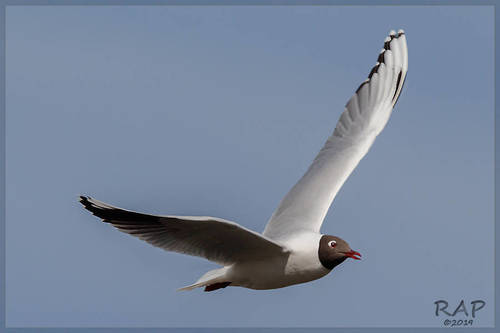
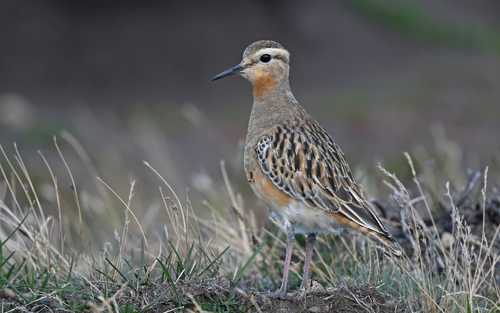
A snowy sheathbill... Wikipedia →

Sounds

Call0:10

Antarctica · 2015

© Andrew Spencer · XC254290 · CC BY-NC-SA 4.0

Flight call0:10

Antarctica · 2018

© Fabrice Schmitt · XC415432 · CC BY-NC-SA 4.0

Call0:15

Antarctica · 2004

© Santiago Imberti · XC14568 · CC BY-NC-ND 2.5

Global Distribution

Parks Where Found

# Park Country Daily sighting probability
1 Península Valdés 🇦🇷 Argentina
~60%
2 Table Mountain National Park 🇿🇦 South Africa
<5%
3 Tierra del Fuego National Park 🇦🇷 Argentina
<5%

Cities Where Found

# City Country Daily sighting probability
1 Montevideo 🇺🇾 Uruguay
<5%

Before you go

What are the chances of seeing a Snowy Sheathbill in Península Valdés?

Likely

About 60% of wildlife watchers report a Snowy Sheathbill sighting in Península Valdés on a given day, based on 308 verified sightings from GBIF citizen-science data from 2019 to 2026. It is the 14th most-seen of the 96 birds we can rate there. Over three days the chance rises to about 90%, and over a week to over 90%, if each day is a fresh chance.

When is the best time to see a Snowy Sheathbill in Península Valdés?

September to November

In those months about 70% of wildlife watchers report a Snowy Sheathbill in Península Valdés on a given day, against about 40% in April and December–February, the lowest months. June and July have too few records to rate.

What time of day is best to see a Snowy Sheathbill?

Between 3 and 6 pm

Across all the parks we cover, that three-hour window holds the most Snowy Sheathbill sightings with a recorded time, and about 9 in 10 of them come between 6 am and 6 pm: it is a daytime animal.

Is Península Valdés the best place to see a Snowy Sheathbill?

Yes

Of the 3 parks where we can rate Snowy Sheathbill sightings, Península Valdés has the highest daily chance: about 60%. Next come Table Mountain National Park (South Africa, under 5%) and Tierra del Fuego National Park (Argentina, under 5%).

Which relatives of the Snowy Sheathbill live in Península Valdés?

Same order: Charadriiformes

The closest relatives of the Snowy Sheathbill that you can see in Península Valdés (order Charadriiformes, Shorebirds and Allies) are Dominican Gull (over 90%), American Oystercatcher (about 80%) and Blackish Oystercatcher (about 60%), with each one's daily chance of a sighting.

Where does the Snowy Sheathbill sighting chance come from?

GBIF citizen-science records

It is estimated from how often the Snowy Sheathbill is recorded against all the birds logged in Península Valdés (308 verified sightings from 2019 to 2026), calibrated against known sighting rates. Figures are rounded to the nearest 10% because citizen-science data supports honest approximations, not decimals, and months with records from fewer than five people show "—". How it works.

← Back to Península Valdés