Dolphin Gull

Dolphin Gull

Leucophaeus scoresbii

Silhouette: Kai Caspar · PhyloPic

Daily sighting probability ~40% · Likely
at Península Valdés

In 3 days ~80% in a week >90%

195 Verified sightings at Península Valdés From 2019 to 2026
432 In all 2 parks
November Best month
☀️ Diurnal When it's spotted

About the Dolphin Gull

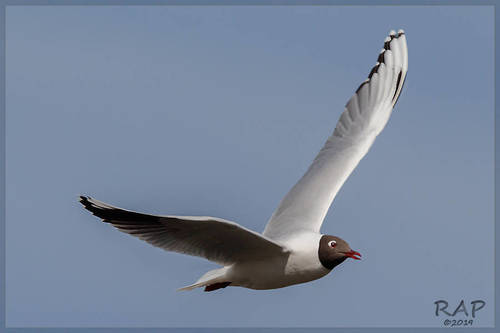
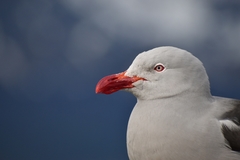
The dolphin gull (Leucophaeus scoresbii), sometimes erroneously called the red-billed gull (a somewhat similar but unrelated species from New Zealand), is a gull native to southern Chile and Argentina, and the Falkland Islands. It is a coastal bird inhabiting rocky, muddy and sandy shores and is often found around seabird colonies. They have greyish feathers, and the feathers on their wings are a darker shade. Dolphin gulls have a varied diet, eating many things ranging from mussels to carrion.

The modern scientific name Leucophaeus scoresbii, together with the obsolete common name Scoresby's gull, commemorates the English explorer William Scoresby (1789–1857). The dolphin gull is found round the coasts of Chile, Argentina and the Falkland Islands. It is a vagrant to South Georgia and the South Sandwich Islands. It is found on rocky coasts and in the vicinity of other colonies of seabirds, slaughterhouses, sewage outflows and farmyards.

The dolphin gull is a scavenger and opportunistic predator. It feeds on carrion, offal, bird eggs, nestlings, marine invertebrates and other natural food. When humans disturb nesting seabirds, it takes advantage of... Wikipedia →

Sounds

Call0:54

Chile · 2023

© Barry Edmonston · XC855291 · CC BY-NC-SA 4.0

Begging call0:10

Argentina · 2016

© Jim Holmes · XC325387 · CC BY-NC-SA 4.0

Alarm call0:52

Argentina

© Bernabe Lopez-Lanus · XC48632 · CC BY-NC-SA 3.0

Global Distribution

Parks Where Found

# Park Country Daily sighting probability
1 Península Valdés 🇦🇷 Argentina
~40%
2 Tierra del Fuego National Park 🇦🇷 Argentina
~20%

Before you go

What are the chances of seeing a Dolphin Gull in Península Valdés?

Likely

About 40% of wildlife watchers report a Dolphin Gull sighting in Península Valdés on a given day, based on 195 verified sightings from GBIF citizen-science data from 2019 to 2026. It is the 21st most-seen of the 96 birds we can rate there. Over three days the chance rises to about 80%, and over a week to over 90%, if each day is a fresh chance.

When is the best time to see a Dolphin Gull in Península Valdés?

November

In that month about 60% of wildlife watchers report a Dolphin Gull in Península Valdés on a given day, against about 20% in January and April, the lowest months. June and July have too few records to rate.

What time of day is best to see a Dolphin Gull?

Between 1 and 4 pm

Across all the parks we cover, that three-hour window holds the most Dolphin Gull sightings with a recorded time, and about 9 in 10 of them come between 6 am and 6 pm: it is a daytime animal.

Is Península Valdés the best place to see a Dolphin Gull?

Yes

Of the 2 parks where we can rate Dolphin Gull sightings, Península Valdés has the highest daily chance: about 40%. Next come Tierra del Fuego National Park (Argentina, about 20%).

Which relatives of the Dolphin Gull live in Península Valdés?

Same family: Laridae

The closest relatives of the Dolphin Gull that you can see in Península Valdés (family Laridae, Gulls, Terns, and Skimmers) are Dominican Gull (over 90%), South American Tern (about 40%) and Royal Tern (about 40%), with each one's daily chance of a sighting.

Where does the Dolphin Gull sighting chance come from?

GBIF citizen-science records

It is estimated from how often the Dolphin Gull is recorded against all the birds logged in Península Valdés (195 verified sightings from 2019 to 2026), calibrated against known sighting rates. Figures are rounded to the nearest 10% because citizen-science data supports honest approximations, not decimals, and months with records from fewer than five people show "—". How it works.

← Back to Península Valdés