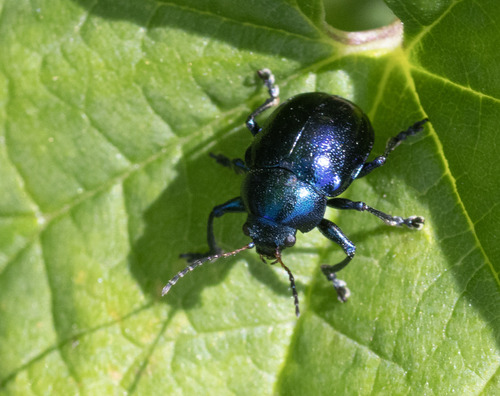
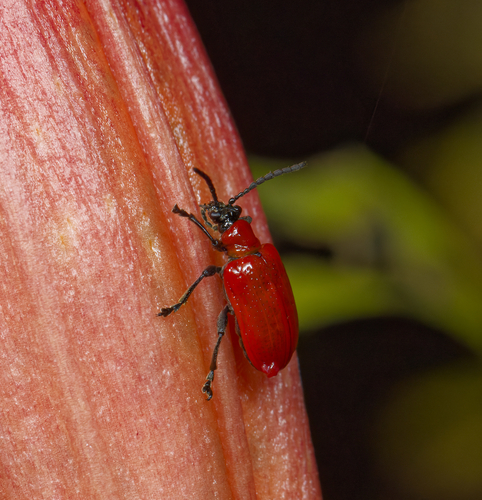

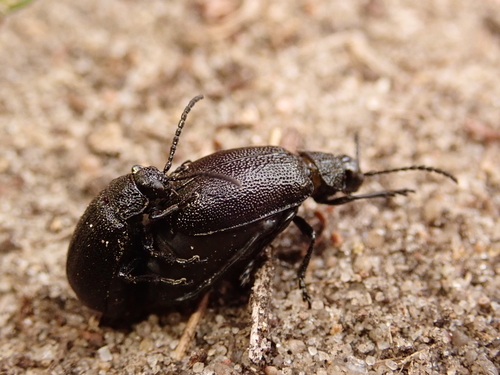
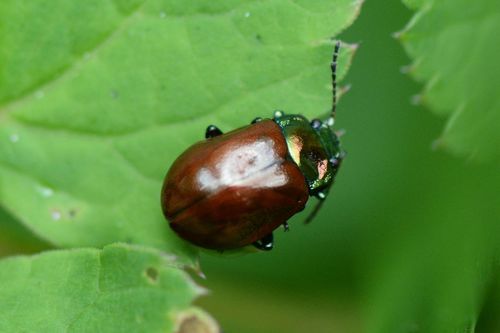
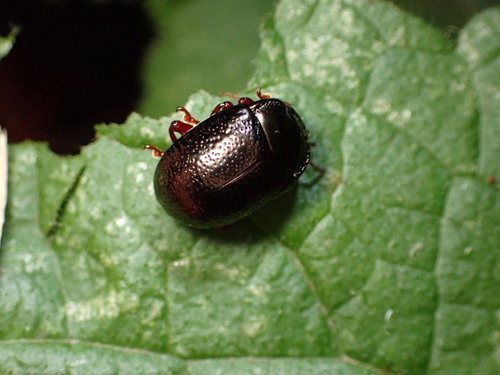
Chrysochus asclepiadeus

Chrysochus asclepiadeus

Chrysochus asclepiadeus

Daily sighting probability <5% · Rare
at Pyrénées National Park

In 3 days ~10% in a week ~20%

7 Verified sightings at Pyrénées National Park From 2019 to 2026
12 In all 2 parks
July Best month
☀️ Diurnal When it's spotted

About the Chrysochus asclepiadeus

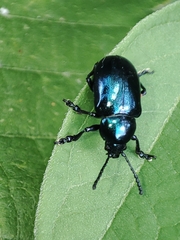
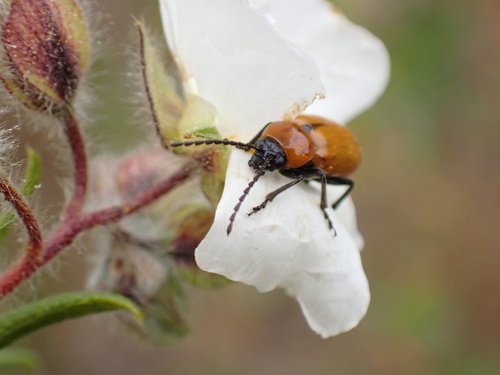
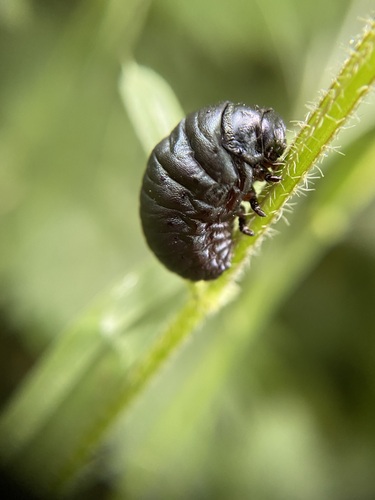
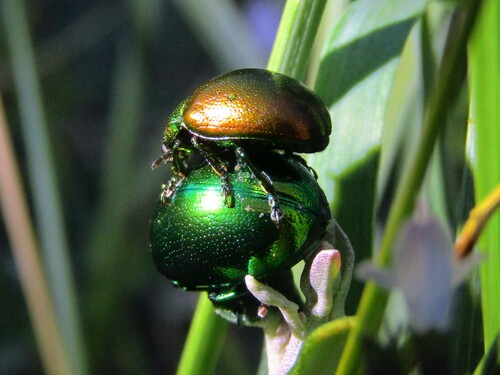
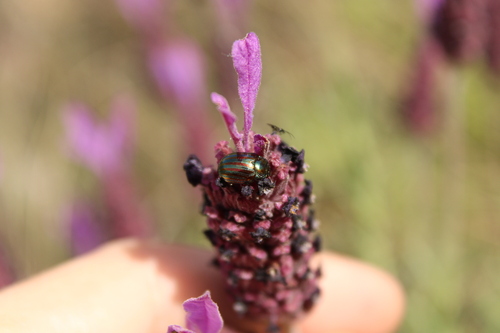
Chrysochus asclepiadeus (or Eumolpus asclepiadeus) is a member of the leaf beetle subfamily Eumolpinae. It is considered the type species of the genus Chrysochus, though it has sometimes been placed within the genus Eumolpus. It is the only species of Chrysochus distributed in the western Palaearctic. It is mainly found in Europe, though it is also known from Kazakhstan and Turkey in Asia.

The species was first described by Peter Simon Pallas, who gave it the scientific name Chrysomela asclepiadea in 1773. The species epithet, asclepiadea (or asclepiadeus), is named after the milkweed genus Asclepias, one of the species' food plants. The species was later twice described again under two separate names: Guillaume-Antoine Olivier named it Cryptocephalus cyaneus in 1791 (from the Latin cyaneus, meaning "dark blue"), while Johan Christian Fabricius named it Chrysomela praetiosa in 1792. The latter was sometimes spelled "pretiosa", derived from the Latin pretiosus ("valuable, precious").

In 1798, the genus Eumolpus was first established in Johann Karl Wilhelm Illiger's Verzeichniß der Käfer Preußens, including C. praetiosa as well as other species. Fabricius also... Wikipedia →

Global Distribution

Parks Where Found

# Park Country Daily sighting probability
1 Ordesa y Monte Perdido National Park 🇪🇸 Spain
~10%
2 Pyrénées National Park 🇫🇷 France
<5%

Cities Where Found

# City Country Daily sighting probability
1 Kyiv 🇺🇦 Ukraine
<5%

Before you go

What are the chances of seeing a Chrysochus asclepiadeus in Pyrénées National Park?

Rare

Under 5% of wildlife watchers report a Chrysochus asclepiadeus sighting in Pyrénées National Park on a given day, based on 7 verified sightings from GBIF citizen-science data from 2019 to 2026. It is the 940th most-seen of the 1277 insects we can rate there. Over three days the chance rises to about 10%, and over a week to about 20%, if each day is a fresh chance.

When is the best time to see a Chrysochus asclepiadeus in Pyrénées National Park?

July

In that month about 10% of wildlife watchers report a Chrysochus asclepiadeus in Pyrénées National Park on a given day, against under 5% in August to June, the lowest months.

What time of day is best to see a Chrysochus asclepiadeus?

Between 1 and 4 pm

Across all the parks we cover, that three-hour window holds the most Chrysochus asclepiadeus sightings with a recorded time, and nearly all of them come between 6 am and 6 pm: it is a daytime animal.

Is Pyrénées National Park the best place to see a Chrysochus asclepiadeus?

2nd of 2

Of the 2 parks where we can rate Chrysochus asclepiadeus sightings, Pyrénées National Park ranks 2nd at under 5%. The best odds are in Ordesa y Monte Perdido National Park (Spain, about 10%).

Which relatives of the Chrysochus asclepiadeus live in Pyrénées National Park?

Same family: Chrysomelidae

The closest relatives of the Chrysochus asclepiadeus that you can see in Pyrénées National Park (family Chrysomelidae, Leaf Beetles) are Daffodil Leaf-Beetle (about 10%), Bloody-Nosed Beetle (about 10%) and Lily Leaf Beetle (about 10%), with each one's daily chance of a sighting.

Where does the Chrysochus asclepiadeus sighting chance come from?

GBIF citizen-science records

It is estimated from how often the Chrysochus asclepiadeus is recorded against all the insects logged in Pyrénées National Park (7 verified sightings from 2019 to 2026), calibrated against known sighting rates. Figures are rounded to the nearest 10% because citizen-science data supports honest approximations, not decimals, and months with records from fewer than five people show "—". How it works.

← Back to Pyrénées National Park