Gold Spangle

Gold Spangle

Autographa bractea

Daily sighting probability <5% · Rare
at Pyrénées National Park

In 3 days ~10% in a week ~20%

6 Verified sightings at Pyrénées National Park From 2019 to 2026
14 In all 2 parks
August Best month
☀️ Diurnal When it's spotted

About the Gold Spangle

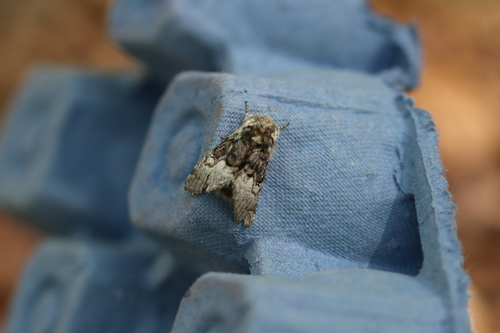
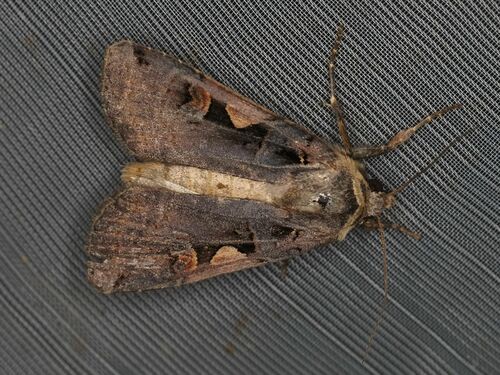
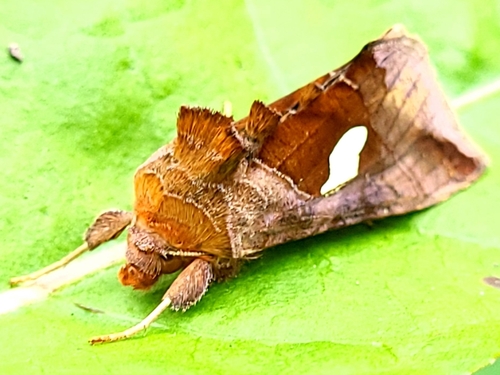
The gold spangle (Autographa bractea) is a moth of the family Noctuidae. The species was first described by Michael Denis and Ignaz Schiffermüller in 1775. It is found in Europe, across western Siberia and the Altai Mountains, the northern Caucasus, northern Turkey and northern Iran.

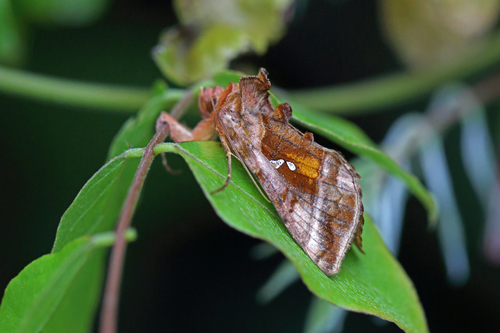
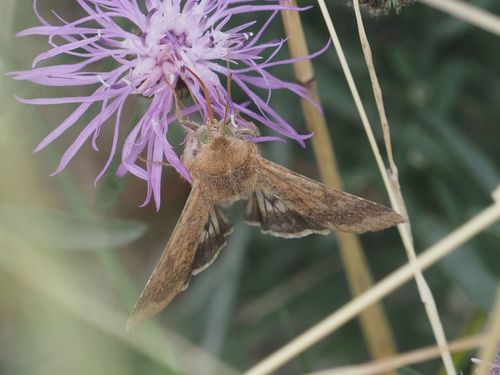
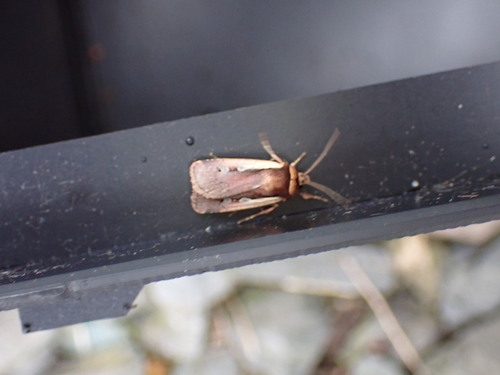
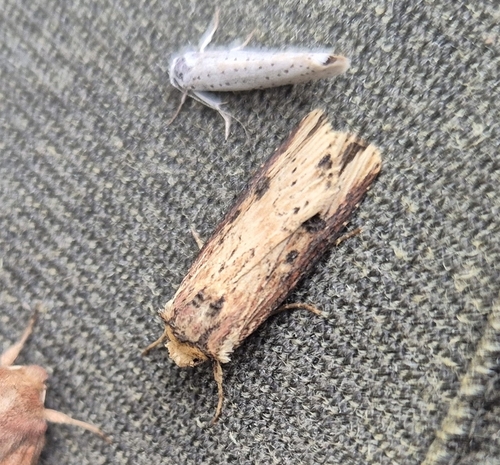
P. bractea F. ( = securis Vill.) Forewing purplish fuscous with many fine dark strigulae; the lines finely dark but indistinct, inwardly oblique; the inner line below middle finely golden, the outer golden at inner margin only; median area below middle ferruginous brown, containing at base of vein 2 a large irregular somewhat sinuous shining golden blotch (the golden blotch varies from a subquadrate, somewhat anvil-shaped mark to an elongate, sinuous, tongue-shaped one); a deeper diffuse shade from apex to middle; hindwing dull bronzy yellowish tinged with fuscous; the terminal area diffusely deep fuscous. Larva pale green; dorsal and spiracular lines white; head pale green marked with brown. Its wingspan is 42–50 mm. Wikipedia →

Global Distribution

Parks Where Found

# Park Country Daily sighting probability
1 Cairngorms National Park 🇬🇧 United Kingdom
~10%
2 Pyrénées National Park 🇫🇷 France
<5%

Before you go

What are the chances of seeing a Gold Spangle in Pyrénées National Park?

Rare

Under 5% of wildlife watchers report a Gold Spangle sighting in Pyrénées National Park on a given day, based on 6 verified sightings from GBIF citizen-science data from 2019 to 2026. It is the 1026th most-seen of the 1277 insects we can rate there. Over three days the chance rises to about 10%, and over a week to about 20%, if each day is a fresh chance.

When is the best time to see a Gold Spangle in Pyrénées National Park?

August

In that month about 10% of wildlife watchers report a Gold Spangle in Pyrénées National Park on a given day, against under 5% in September to July, the lowest months.

What time of day is best to see a Gold Spangle?

Between 8 and 11 am

Across all the parks we cover, that three-hour window holds the most Gold Spangle sightings with a recorded time, and about 8 in 10 of them come between 6 am and 6 pm: it is a daytime animal.

Is Pyrénées National Park the best place to see a Gold Spangle?

2nd of 2

Of the 2 parks where we can rate Gold Spangle sightings, Pyrénées National Park ranks 2nd at under 5%. The best odds are in Cairngorms National Park (United Kingdom, about 10%).

Where does the Gold Spangle sighting chance come from?

GBIF citizen-science records

It is estimated from how often the Gold Spangle is recorded against all the insects logged in Pyrénées National Park (6 verified sightings from 2019 to 2026), calibrated against known sighting rates. Figures are rounded to the nearest 10% because citizen-science data supports honest approximations, not decimals, and months with records from fewer than five people show "—". How it works.

← Back to Pyrénées National Park