Omnivorous Looper

Omnivorous Looper

Sabulodes aegrotata

Daily sighting probability ~10% · With luck
at Redwood National Park

In 3 days ~30% in a week ~60%

16 Verified sightings at Redwood National Park From 2019 to 2026
33 In all 3 parks
March Best month
☀️🌙 Day & Night When it's spotted

About the Omnivorous Looper

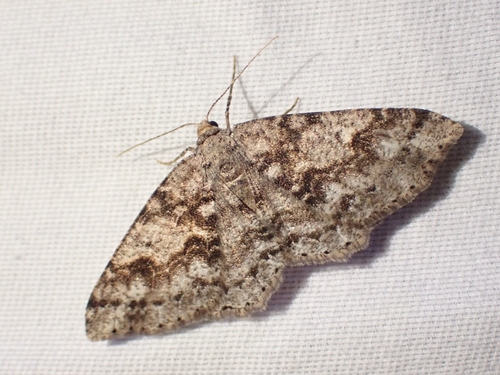
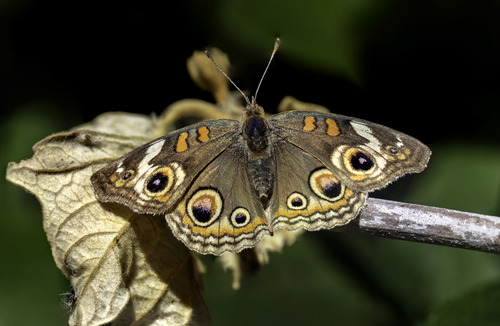
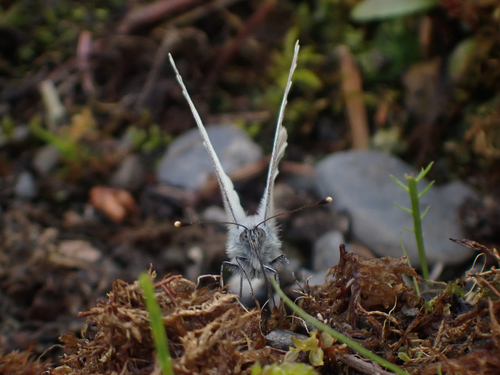
Sabulodes aegrotata, the Omnivorous Looper, is a moth of the family Geometridae. It is found in Western North America, from British Columbia to California. The larvae eat a wide variety of flowering trees and plants including some agricultural crops. Its distinguishing feature is that the medial and postmedial lines intersect near the trailing edge of the wing.

This moth is common in damp coastal forests along the west coast of North America from British Columbia to California. This species has three generations per year in coastal areas and four or five generations in inland locations. Depending on temperature, egg-to-adult development takes 2 to 5 months.

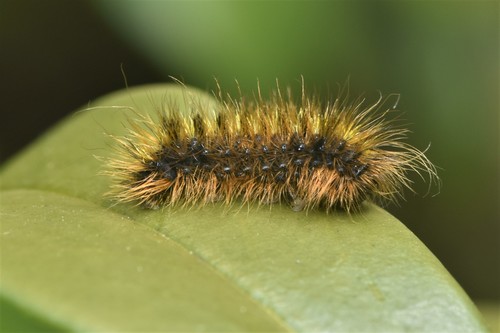
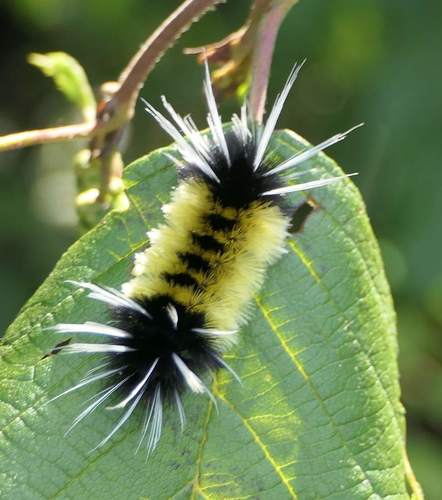
Eggs are barrel-shaped, light green to reddish brown with a ring of tiny projections. Eggs are laid in clusters on leaves of the host plants and hatch after 8 or 9 days. When mature caterpillars are ready to pupate, they make pearly white to brown cocoons, hidden in between leaves. Pupation lasts 1 to 4 weeks.

The larva make shelters from silk and folded leaves where they shelter during the day and come out at night to feed. The University of California IPM Program gives a description of... Wikipedia →
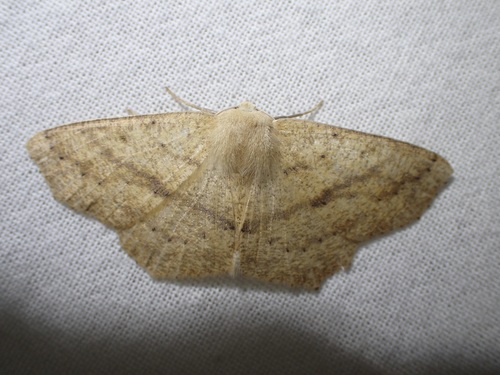
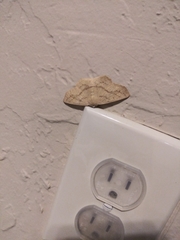
Global Distribution

Parks Where Found

# Park Country Daily sighting probability
1 Redwood National Park 🇺🇸 United States
~10%
2 Channel Islands National Park 🇺🇸 United States
~10%
3 Sequoia and Kings Canyon National Parks 🇺🇸 United States
~10%

Cities Where Found

# City Country Daily sighting probability
1 Seattle 🇺🇸 United States
~10%
2 San Francisco 🇺🇸 United States
~10%
3 Portland 🇺🇸 United States
~10%
4 San Diego 🇺🇸 United States
<5%
5 Los Angeles 🇺🇸 United States
<5%

Before you go

What are the chances of seeing an Omnivorous Looper in Redwood National Park?

With luck

About 10% of wildlife watchers report an Omnivorous Looper sighting in Redwood National Park on a given day, based on 16 verified sightings from GBIF citizen-science data from 2019 to 2026. It is the 22nd most-seen of the 101 insects we can rate there. Over three days the chance rises to about 30%, and over a week to about 60%, if each day is a fresh chance.

When is the best time to see an Omnivorous Looper in Redwood National Park?

January–March and September

In those months about 20% of wildlife watchers report an Omnivorous Looper in Redwood National Park on a given day, against under 5% in November and December, the lowest months. Those are among Redwood National Park's wettest months, with about 240 mm of rain a month against almost none in July.

What time of day is best to see an Omnivorous Looper?

Between 9 pm and midnight

Across all the parks we cover, that three-hour window holds the most Omnivorous Looper sightings with a recorded time, and about half of them come between 6 pm and 6 am: it is seen both by day and at night.

Which relatives of the Omnivorous Looper live in Redwood National Park?

Same family: Geometridae

The closest relatives of the Omnivorous Looper that you can see in Redwood National Park (family Geometridae, Geometer Moths) are California Black (about 20%), Pale Beauty (about 10%) and Western White-Ribboned Carpet (about 10%), with each one's daily chance of a sighting.

Where does the Omnivorous Looper sighting chance come from?

GBIF citizen-science records

It is estimated from how often the Omnivorous Looper is recorded against all the insects logged in Redwood National Park (16 verified sightings from 2019 to 2026), calibrated against known sighting rates. Figures are rounded to the nearest 10% because citizen-science data supports honest approximations, not decimals, and months with records from fewer than five people show "—". How it works.

← Back to Redwood National Park