Sequoia and Kings Canyon National Parks
🇺🇸 United States
North America, United States 630 spp. recorded
Sequoia and Kings Canyon National Parks form a rugged mountain wilderness in the southern Sierra Nevada of California. This high-altitude landscape features deep river canyons, sheer granite cliffs, and dense coniferous forests of towering trees. Visitors hike along dirt trails winding through pine woods and rocky alpine slopes.
36.606° N 118.547° W
🦜 Nature

282 Species sighted
51,015 Verified sightings From 2019 to 2026
Jul Best month
⭐ Iconic Species


📊 Most Spotted





⭐ Iconic Species
📊 Most Spotted




📊 Most Spotted



⭐ Iconic Species
📊 Most Spotted


⭐ Iconic Species
📊 Most Spotted


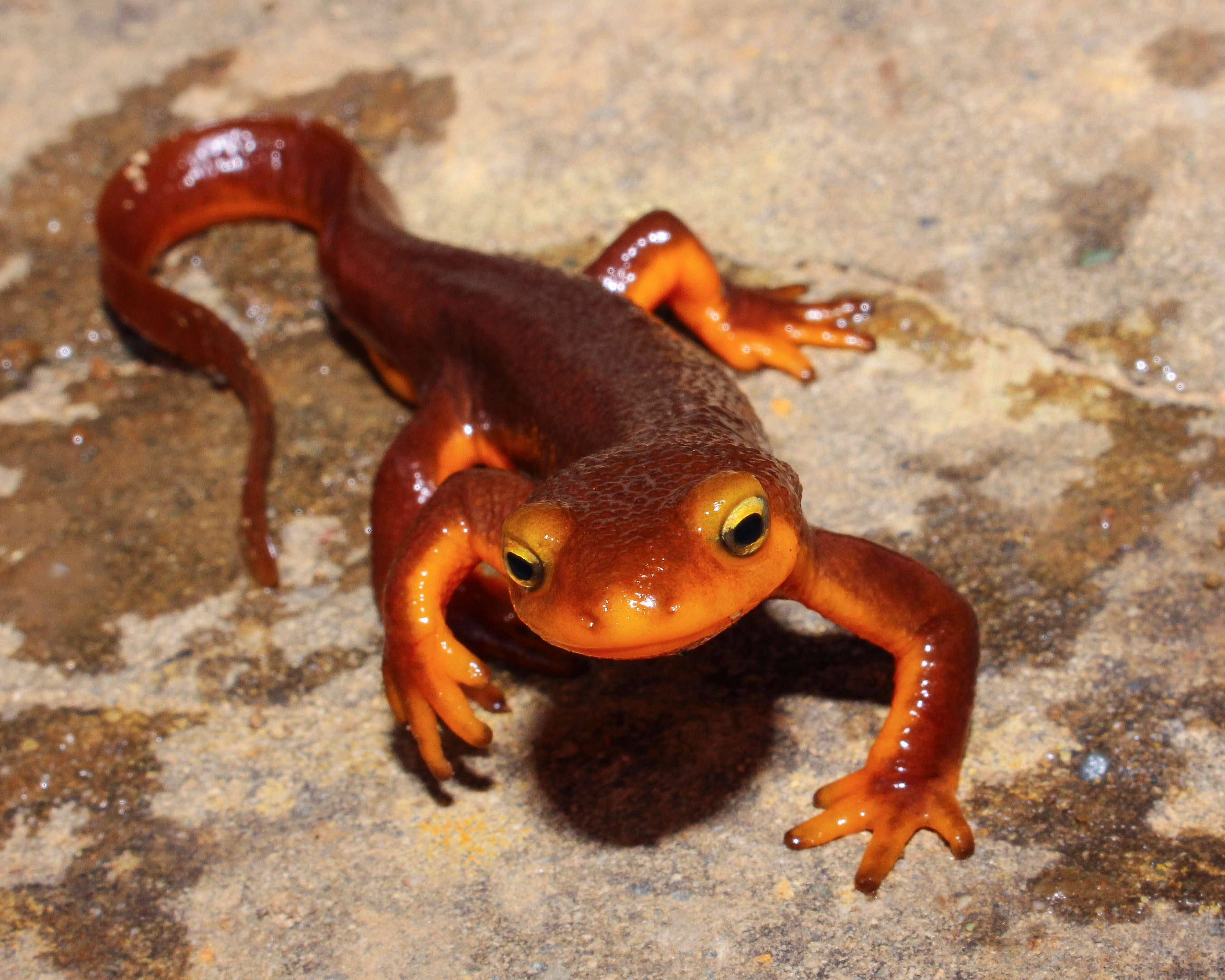
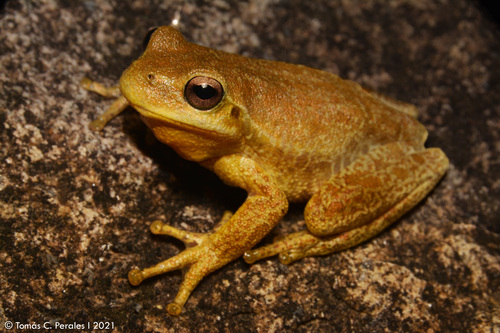


📊 Most Spotted


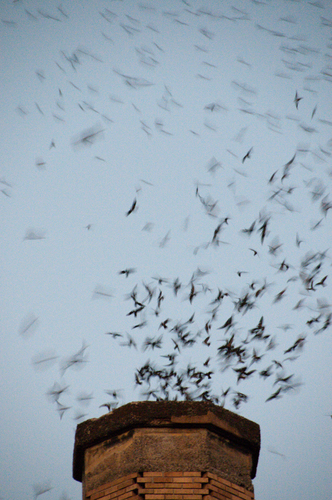

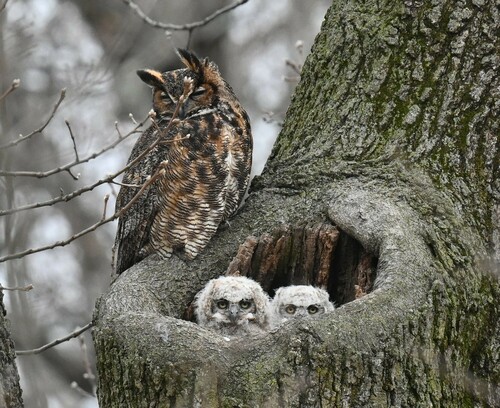


+ 429 more species with insufficient data
Recent sightings in Sequoia and Kings Canyon National Parks
LIVEiNaturalistSighting Calendar
How many species you'd see in a day
33Jan
35Feb
37Mar
45Apr
46May
51Jun
52Jul
47Aug
40Sep
36Oct
32Nov
34Dec
Sighting Zones
Warmer areas are where all species together are recorded most often.
-
Crescent Meadow
Daily sight. prob.vs avg -
General Sherman Tree Trail
Daily sight. prob.vs avg -
General Grant Tree Trail
Daily sight. prob.vs avg Mule Deer>90%+10%
 Douglas' Squirrel~90%+30%
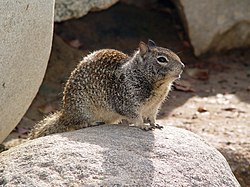 California Ground Squirrel~70%+30%
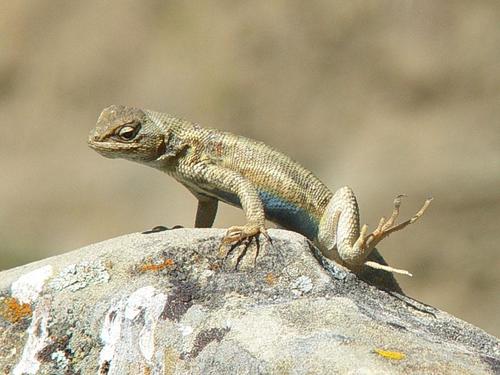
 Sagebrush Lizard~60%+20%
 Dark-eyed Junco~60%-10%
 Golden-mantled Ground Squirrel~60%-10%
 American Bullfrog~60%+40%
 Common Raven~60%-20%
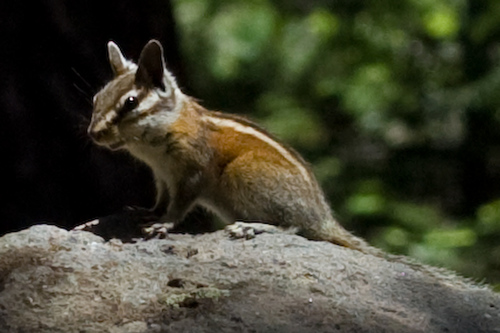
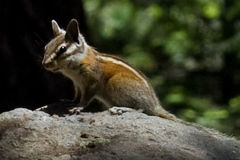 Lodgepole Chipmunk~60%+20%
 Mountain Chickadee~60%≈
 Yellow-rumped Warbler~50%-10%
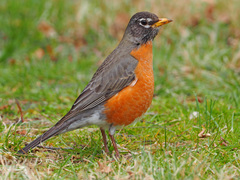 American Robin~50%-10%
-
Foothills Visitor Center
Daily sight. prob.vs avg -
Mankins Creek
Daily sight. prob.vs avg Western Fence Lizard~90%+20%
 Pacific chorus frog~80%+30%
 American Black Bear~80%≈
- Mule Deer~70%-10%
- California Ground Squirrel~70%+30%
 Western Toad~60%+40%
 Acorn Woodpecker~50%+10%
- American Bullfrog~50%+30%
 Western Rattlesnake~50%+10%
 California Scrub-Jay~40%+10%
 Bobcat~30%+20%
 Southern Alligator Lizard~30%+10%



🏕️ Experience
Essentials
Entrance
Paid
Tourism
Medium
Typical stay
1–2
daysTrails
Hard
World Heritage
No
Climate
Temp °C Rain mm
JanFebMarAprMayJunJulAugSepOctNovDec
0.0 Good
Wallace's Line Score
How good is this park for seeing wildlife? 🦜
Biodiversity
ExcellentHow rich is the wildlife?
5.0
Species by taxon
🦅 Birds 405
🐒 Mammals 126
🦎 Reptiles 73
🐸 Amphibians 26
630 Total Species
828 Global average across 316 parks
29 Threatened 46 Endemic
🔭
Sighting
GoodHow likely to see animals?
3.1
🎯
Top-12 Avg Probability
68% 📊
Coverage (150 species at ≥5% of 630 in the inventory)
24% 🔀
Taxon variety in top 12 (6 mammal, 5 bird, 1 reptile)
76% 🔭
Species per 10 outings (distinct species a visitor would meet over 10 outings — effort held equal across parks)
86 🌟
Iconic-group species (≥15%) (every species from the 19 iconic groups — monkeys, cats, toucans, macaws, sloths, crocodilians… — not just the 4 highlighted above)
4 ⭐
High-prob species (>40%)
22 🏕️
Experience
GoodHow easy and pleasant is the visit?
2.5
Climate Harsh Low
Entrance Paid Low
Tourism High Low
Trails Hard Low
World Heritage No —
What visitors say
We did see a couple of bears, a lot of deer and other wildlife.
We saw a deer with some babies no more than 1 month old.
The evening before, we’d watched a mama bear with three cubs doing adorable black bear things.
We were paranoid and scared of running into bears, but we didn’t see any the whole trip.
Before you go
What animals can you see in Sequoia and Kings Canyon National Parks?
630 species
Sequoia and Kings Canyon National Parks has 630 recorded vertebrate species. The ones wildlife watchers report most often on a given day are Mule Deer (about 90%), Yellow-bellied Marmot (about 80%), American Black Bear (about 80%), Common Raven (about 70%) and Golden-mantled Ground Squirrel (about 70%). Among reptiles, the most-seen is Western Fence Lizard (about 60%); among amphibians, Pacific chorus frog (about 50%).
When is the best time to visit Sequoia and Kings Canyon National Parks for wildlife?
June to October
In those months the park's 12 most-seen species average about 70% on a given day, against about 40% in January. Those are among Sequoia and Kings Canyon National Parks's driest months, with about 20 mm of rain a month against 190 mm in January.
Can you see an American Black Bear in Sequoia and Kings Canyon National Parks?
Yes
About 80% of wildlife watchers report an American Black Bear sighting in Sequoia and Kings Canyon National Parks on a given day, based on 534 verified sightings from GBIF citizen-science data from 2019 to 2026. The best time is May to November (about 80%).
Can you see a Yellow-bellied Marmot in Sequoia and Kings Canyon National Parks?
Yes
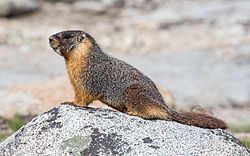
About 80% of wildlife watchers report a Yellow-bellied Marmot sighting in Sequoia and Kings Canyon National Parks on a given day, based on 747 verified sightings from GBIF citizen-science data from 2019 to 2026. The best time is June to August (about 90%).
Can you see a Western Fence Lizard in Sequoia and Kings Canyon National Parks?
Yes
About 60% of wildlife watchers report a Western Fence Lizard sighting in Sequoia and Kings Canyon National Parks on a given day, based on 369 verified sightings from GBIF citizen-science data from 2019 to 2026. The best time is March and May (about 80%).
Can you see a Pacific chorus frog in Sequoia and Kings Canyon National Parks?
Yes
About 50% of wildlife watchers report a Pacific chorus frog sighting in Sequoia and Kings Canyon National Parks on a given day, based on 199 verified sightings from GBIF citizen-science data from 2019 to 2026. The best time is February and August (about 70%).
Where in Sequoia and Kings Canyon National Parks is wildlife easiest to see?
Around Crescent Meadow
The richest sighting zone is around Crescent Meadow, followed by General Sherman Tree Trail and General Grant Tree Trail, ranked by how many of the park's headline animals visitors can expect to see in each. See the zones on the map.
Is Sequoia and Kings Canyon National Parks good for wildlife watching?
3.7 out of 5
On the Wallace's Line Score, Sequoia and Kings Canyon National Parks rates 3.7/5: 155th of 316 parks worldwide and 13th in North America. 27 of its species are reported by about 40% or more of wildlife watchers on a given day.


