

Rain Beetle

Rain Beetle

Pterostichus melanarius

Daily sighting probability ~10% · With luck
at Riding Mountain National Park

In 3 days ~20% in a week ~40%

6 Verified sightings at Riding Mountain National Park From 2019 to 2026
12 In all 2 parks
August Best month
☀️🌙 Day & Night When it's spotted

About the Rain Beetle

Pterostichus melanarius, the rain beetle, is a type of carabid (ground beetle) of the genus Pterostichus. It is native to Europe but is increasingly found in North America after being introduced to the region in the 1920s. It is a predatory beetle that eats other invertebrates, which makes it a valuable pest control agent in agricultural settings. Additionally, the beetle has wing dimorphism which has contributed to its increasing distribution across North America.

The larvae of this species of beetle have been observed exhibiting cannibalistic behaviorisms in high population densities. The rain beetle's habitat is influenced by their hunger level, with starved beetles preferring larger prey ranges compared to satiated beetles.

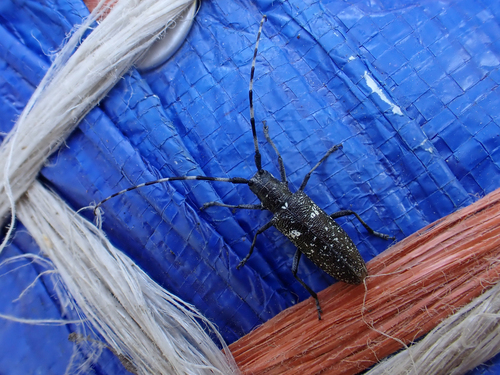
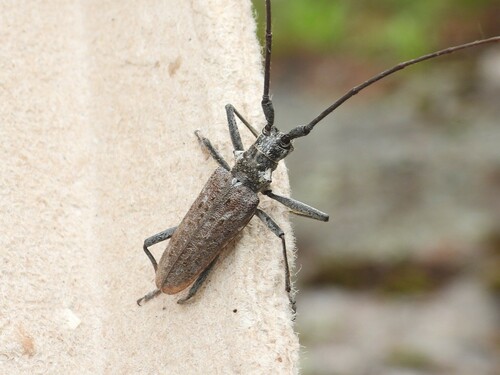
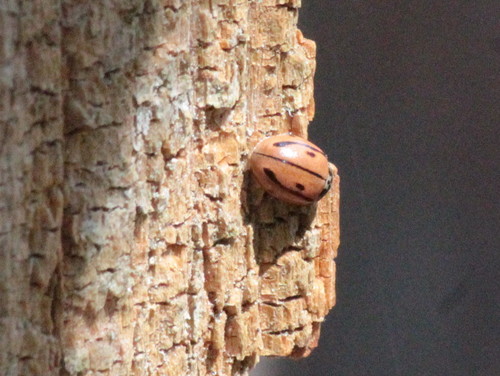
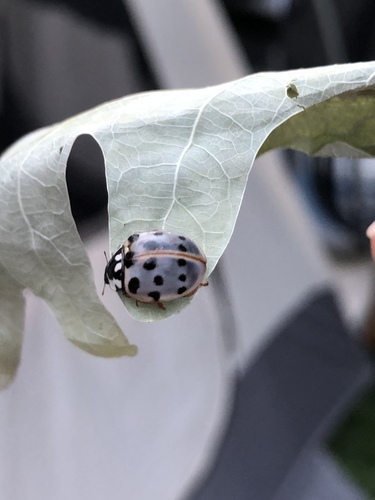
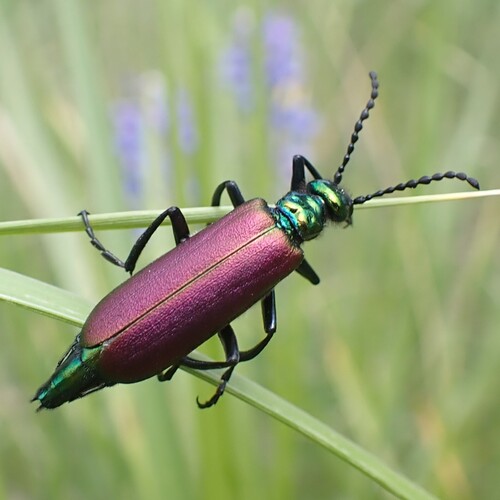
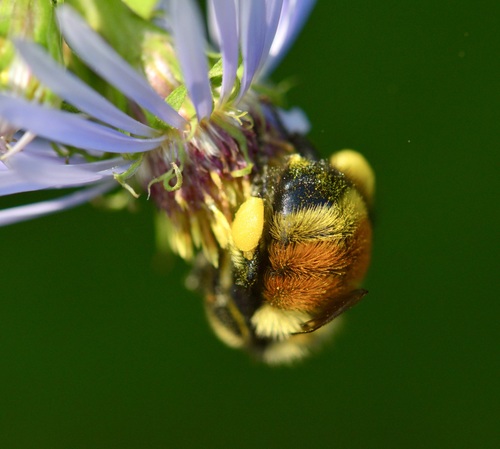
Adults of P. melanarius grow to be 12–18mm long. They appear black with straight striations on their elytra. They "are distinguished from other Pterostichus species by their laterobasal carina and denticulate posterior angles of the pronotum." Adults have wing dimorphism, characterized by brachypterous beetles and macropterous beetles. Brachypterous beetles have shortened hind wings and are unable to fly. Macropterous beetles have mature hind... Wikipedia →

Global Distribution

Parks Where Found

# Park Country Daily sighting probability
1 Elk Island National Park 🇨🇦 Canada
~10%
2 Riding Mountain National Park 🇨🇦 Canada
~10%

Cities Where Found

# City Country Daily sighting probability
1 Anchorage 🇺🇸 United States
~20%
2 Calgary 🇨🇦 Canada
~10%
3 Edmonton 🇨🇦 Canada
~10%
4 Kyiv 🇺🇦 Ukraine
<5%
5 Nizhny Novgorod 🇷🇺 Russia
<5%
6 Vancouver 🇨🇦 Canada
<5%
7 Yekaterinburg 🇷🇺 Russia
<5%
8 Salt Lake City 🇺🇸 United States
<5%
9 Seattle 🇺🇸 United States
<5%
10 Moscow 🇷🇺 Russia
<5%

Before you go

What are the chances of seeing a Rain Beetle in Riding Mountain National Park?

With luck

About 10% of wildlife watchers report a Rain Beetle sighting in Riding Mountain National Park on a given day, based on 6 verified sightings from GBIF citizen-science data from 2019 to 2026. It is the 76th most-seen of the 104 insects we can rate there. Over three days the chance rises to about 20%, and over a week to about 40%, if each day is a fresh chance.

When is the best time to see a Rain Beetle in Riding Mountain National Park?

August

In that month about 20% of wildlife watchers report a Rain Beetle in Riding Mountain National Park on a given day, against under 5% in June–July, September and November–April, the lowest months. That is one of Riding Mountain National Park's wettest months, with about 70 mm of rain against 20 mm in February.

What time of day is best to see a Rain Beetle?

Between 2 and 5 pm

Across all the parks we cover, that three-hour window holds the most Rain Beetle sightings with a recorded time, and about 7 in 10 of them come between 6 am and 6 pm: it is seen both by day and at night.

Is Riding Mountain National Park the best place to see a Rain Beetle?

Among the best

Of the 2 parks where we can rate Rain Beetle sightings, Riding Mountain National Park ranks 2nd at about 10%, level with the leaders once rounded. The best odds are in Elk Island National Park (Canada, about 10%).

Where does the Rain Beetle sighting chance come from?

GBIF citizen-science records

It is estimated from how often the Rain Beetle is recorded against all the insects logged in Riding Mountain National Park (6 verified sightings from 2019 to 2026), calibrated against known sighting rates. Figures are rounded to the nearest 10% because citizen-science data supports honest approximations, not decimals, and months with records from fewer than five people show "—". How it works.

← Back to Riding Mountain National Park