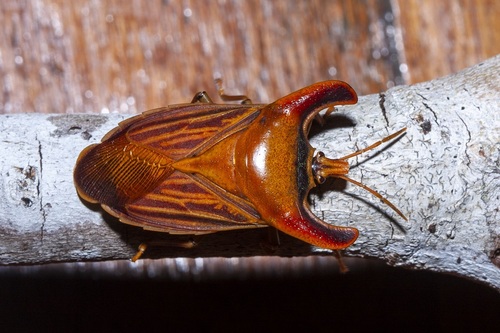

Mangrove Jewel Bug

Mangrove Jewel Bug

Calliphara nobilis

Daily sighting probability ~10% · With luck
at Sepilok

In 3 days ~20% in a week ~40%

5 Verified sightings at Sepilok From 2019 to 2026
5 In 1 park
January Best month
🌅 Crepuscular When it's spotted

About the Mangrove Jewel Bug

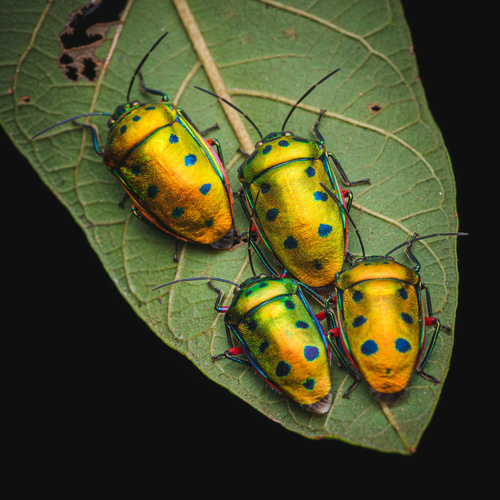
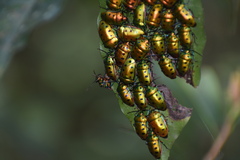
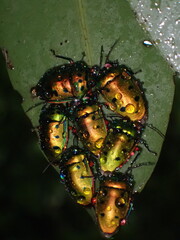
Calliphara nobilis (commonly known as the mangrove jewel bug, mangrove shield bug, or mangrove stink bug) is a species of jewel bug found in Asia. Like all species of jewel bugs, it is phytophagous, feeding on the leaves, fruit and seeds of its host plants. This insect is notable for its multiple defense mechanisms: it is highly mobile and swarms disperse with a loud buzz when disturbed; it is aposematically colored, which serves as a warning to any would-be predators that it is unpalatable; and it possesses a robust chemical defense mechanism: it can secrete an irritating and toxic fluid from a pair of metathoracic scent glands when threatened.

C. nobilis is one of 15 species within the genus Calliphara. The genus is part of the Scutelleridae (shield bug) family, which contains some 80 genera and 500 species worldwide. The scutellerids in turn are part of the larger Pentatomoidea superfamily, (which contains the shield bugs, giant shield bugs, burrower bugs, and stink bugs).

Time-divergence studies reveal that the scutellerids and other types of phytophagous insects first emerged in the Early Cretaceous (142.1–122.8 Ma), shortly after the emergence... Wikipedia →

Global Distribution

Parks Where Found

# Park Country Daily sighting probability
1 Sepilok 🇲🇾 Malaysia
~10%

More parks will be added in future updates.

Cities Where Found

# City Country Daily sighting probability
1 Singapore 🇸🇬 Singapore
<5%
2 Kochi 🇮🇳 India
<5%

Before you go

What are the chances of seeing a Mangrove Jewel Bug in Sepilok?

With luck

About 10% of wildlife watchers report a Mangrove Jewel Bug sighting in Sepilok on a given day, based on 5 verified sightings from GBIF citizen-science data from 2019 to 2026. It is the 79th most-seen of the 87 insects we can rate there. Over three days the chance rises to about 20%, and over a week to about 40%, if each day is a fresh chance.

When is the best time to see a Mangrove Jewel Bug in Sepilok?

January

In that month about 30% of wildlife watchers report a Mangrove Jewel Bug in Sepilok on a given day, against under 5% in May to December, the lowest months.

What time of day is best to see a Mangrove Jewel Bug?

Between 5 and 8 pm

Across all the parks we cover, that three-hour window holds the most Mangrove Jewel Bug sightings with a recorded time, and about 6 in 10 of them come between 6 pm and 6 am: it is most active around dawn and dusk.

Where else can you see a Mangrove Jewel Bug?

Only Sepilok, in our data

Sepilok is the only park on Wallace's Line with enough records to rate Mangrove Jewel Bug sightings: about 10% of wildlife watchers there report one on a given day.

Which relatives of the Mangrove Jewel Bug live in Sepilok?

Same order: Hemiptera

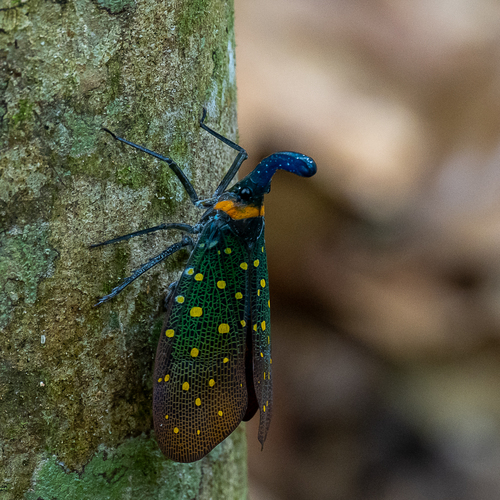
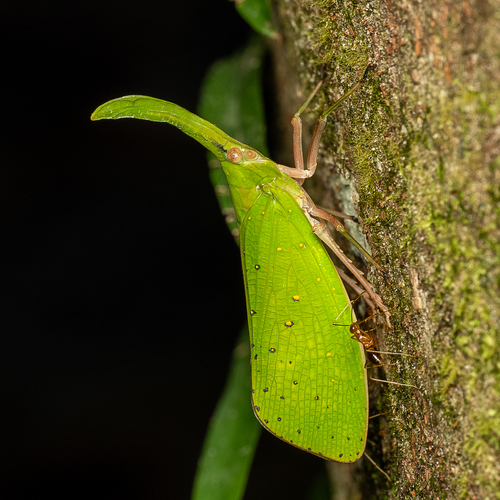
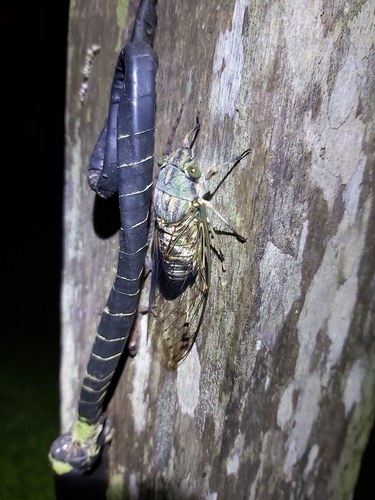
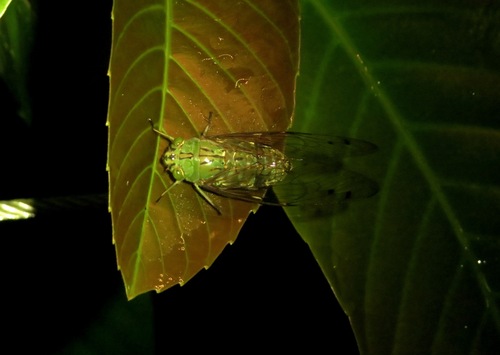
The closest relatives of the Mangrove Jewel Bug that you can see in Sepilok (order Hemiptera, True Bugs, Hoppers, Aphids, and allies) are Pyrops whiteheadi (about 60%), Pyrops cultellata (about 20%) and Orientopsaltria padda (about 20%), with each one's daily chance of a sighting.

Where does the Mangrove Jewel Bug sighting chance come from?

GBIF citizen-science records

It is estimated from how often the Mangrove Jewel Bug is recorded against all the insects logged in Sepilok (5 verified sightings from 2019 to 2026), calibrated against known sighting rates. Figures are rounded to the nearest 10% because citizen-science data supports honest approximations, not decimals, and months with records from fewer than five people show "—". How it works.

← Back to Sepilok