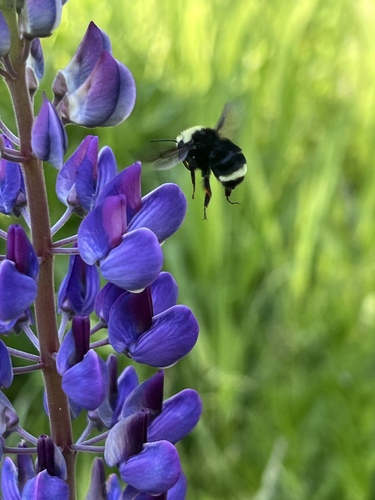
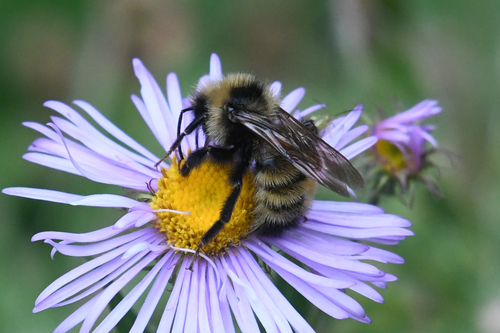
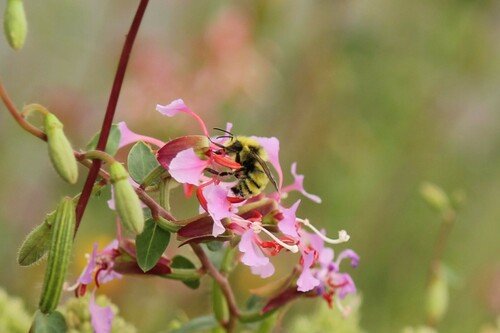
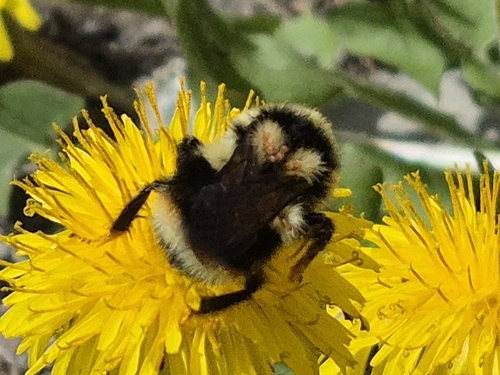
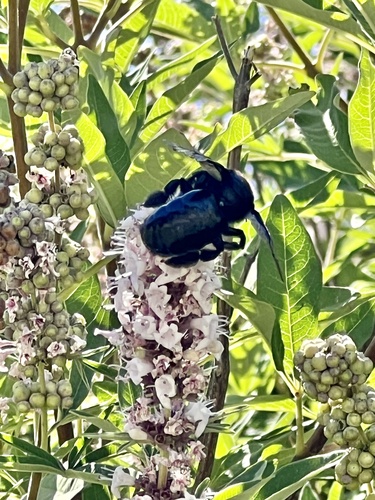
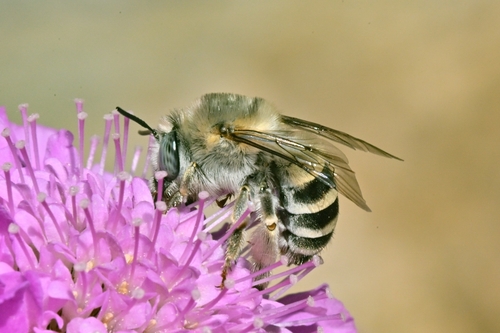
California Bumble Bee

California Bumble Bee

Bombus californicus

Daily sighting probability ~10% · With luck
at Sequoia and Kings Canyon National Parks

In 3 days ~20% in a week ~40%

6 Verified sightings at Sequoia and Kings Canyon National Parks From 2019 to 2026
20 In all 3 parks
March Best month
☀️ Diurnal When it's spotted

About the California Bumble Bee

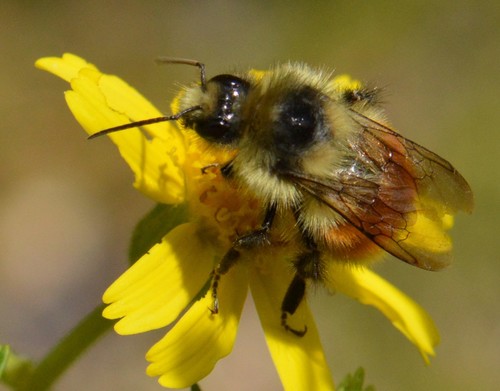
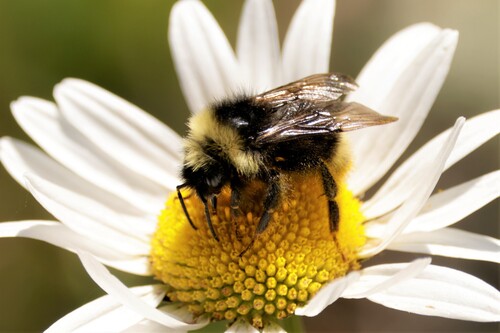
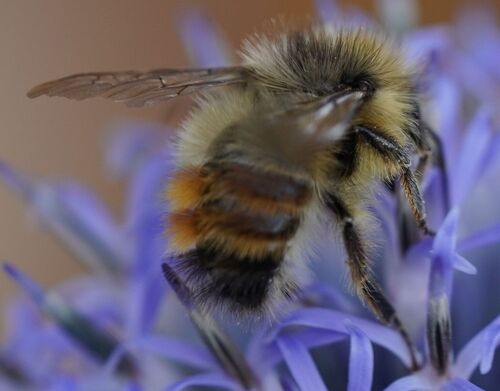
Bombus californicus, the California bumble bee, is a species of bumble bee in the family Apidae. Bombus californicus is in the subgenus Thoracobombus. It is found in Central America and the western half of North America. Bombus californicus is classified as Vulnerable by the IUCN.

In a 2015 study, Bombus californicus was found to be endangered in 62% of surveyed areas. In 2022, researchers also collected DNA samples from bumblebees across the state of California, reconfirming that the Bombus californicus population is still declining rapidly. Bombus californicus, which was typically found all over the state, is now being found less and less in southern California.

Bombus californicus, along with many other bumblebees in California, is on the brink of extinction. The issue is that there are not many people who actually know about these groups. On social media, the majority of the younger generations are not going to act on conservation media that is being shown to them. One way that has been shown to work is to use a peripheral route in persuasion or have a celebrity or someone trustworthy to convince the younger generations (Gen Y,... Wikipedia →
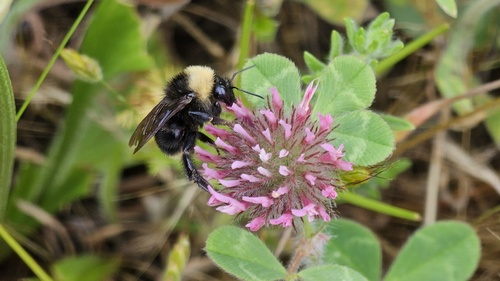
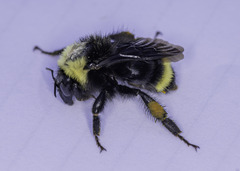
Global Distribution

Parks Where Found

# Park Country Daily sighting probability
1 Sequoia and Kings Canyon National Parks 🇺🇸 United States
~10%
2 Banff National Park 🇨🇦 Canada
~10%
3 Rocky Mountain National Park 🇺🇸 United States
<5%

Cities Where Found

# City Country Daily sighting probability
1 Seattle 🇺🇸 United States
~10%
2 Portland 🇺🇸 United States
~10%
3 Sacramento 🇺🇸 United States
~10%
4 San Diego 🇺🇸 United States
~10%
5 Los Angeles 🇺🇸 United States
~10%
6 San Francisco 🇺🇸 United States
<5%
7 Vancouver 🇨🇦 Canada
<5%

Before you go

What are the chances of seeing a California Bumble Bee in Sequoia and Kings Canyon National Parks?

With luck

About 10% of wildlife watchers report a California Bumble Bee sighting in Sequoia and Kings Canyon National Parks on a given day, based on 6 verified sightings from GBIF citizen-science data from 2019 to 2026. It is the 137th most-seen of the 161 insects we can rate there. Over three days the chance rises to about 20%, and over a week to about 40%, if each day is a fresh chance.

When is the best time to see a California Bumble Bee in Sequoia and Kings Canyon National Parks?

March

In that month about 20% of wildlife watchers report a California Bumble Bee in Sequoia and Kings Canyon National Parks on a given day, against under 5% in April and August–February, the lowest months. That is one of Sequoia and Kings Canyon National Parks's wettest months, with about 160 mm of rain against 10 mm in September.

What time of day is best to see a California Bumble Bee?

Between 9 am and noon

Across all the parks we cover, that three-hour window holds the most California Bumble Bee sightings with a recorded time, and nearly all of them come between 6 am and 6 pm: it is a daytime animal.

Is Sequoia and Kings Canyon National Parks the best place to see a California Bumble Bee?

Yes

Of the 3 parks where we can rate California Bumble Bee sightings, Sequoia and Kings Canyon National Parks has the highest daily chance: about 10%. Next come Banff National Park (Canada, about 10%) and Rocky Mountain National Park (United States, under 5%).

Which relatives of the California Bumble Bee live in Sequoia and Kings Canyon National Parks?

Same genus: Bombus

The closest relatives of the California Bumble Bee that you can see in Sequoia and Kings Canyon National Parks (genus Bombus, Bumble Bees) are Yellow-Faced Bumble Bee (about 40%), Indiscriminate Cuckoo Bumble Bee (about 10%) and Van Dyke's Bumble Bee (about 10%), with each one's daily chance of a sighting.

Where does the California Bumble Bee sighting chance come from?

GBIF citizen-science records

It is estimated from how often the California Bumble Bee is recorded against all the insects logged in Sequoia and Kings Canyon National Parks (6 verified sightings from 2019 to 2026), calibrated against known sighting rates. Figures are rounded to the nearest 10% because citizen-science data supports honest approximations, not decimals, and months with records from fewer than five people show "—". How it works.

← Back to Sequoia and Kings Canyon National Parks