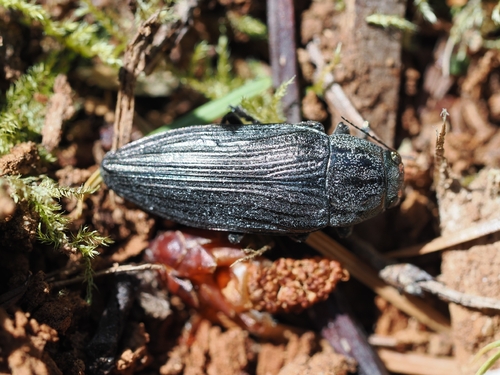
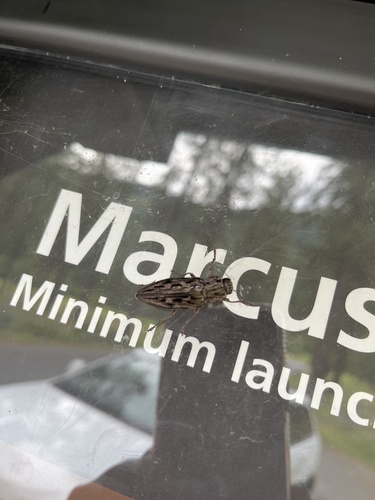
Diabolical Ironclad Beetle

Diabolical Ironclad Beetle

Phloeodes diabolicus

Daily sighting probability ~10% · With luck
at Sequoia and Kings Canyon National Parks

In 3 days ~30% in a week ~50%

12 Verified sightings at Sequoia and Kings Canyon National Parks From 2019 to 2026
31 In all 2 parks
April Best month
☀️ Diurnal When it's spotted

About the Diabolical Ironclad Beetle

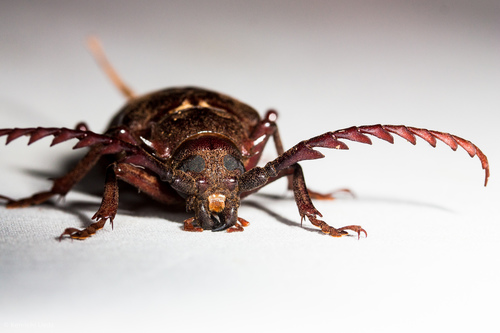
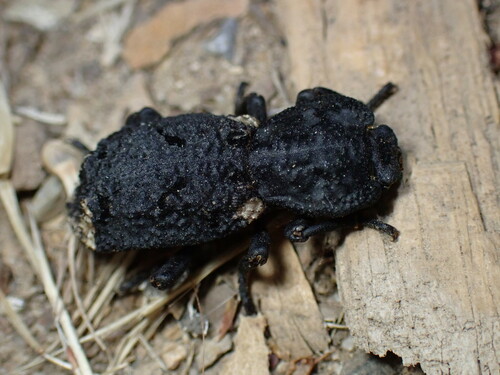
The diabolical ironclad beetle (Phloeodes diabolicus), formerly classified as Nosoderma diabolicum, is a beetle in the Phloeodes genus. It is native to the California floristic province of California and Baja California, where it is believed to eat fungi growing under rotting tree bark. It is flightless and has a remarkable adult lifespan of eight years, compared to the weeks or months of most adult beetles.

This beetle is noted for its durability. Its thick, densely layered, interlocking elytra, connected to the ventral cuticle by complex lateral support structures, are able to support a maximum force of 149 newtons, or over 15 kilograms or 33.069 lbs.

The species was named for and initially categorized taxonomically by John LeConte. When this species was first identified in the 1800s, it was classified as a member of the Nosoderma genus, as were all of what were later re-classified as Phloeodes. The genus Noserus was also described by LeCont during the 1800s, but was later made synonymous with Phloeodes in 1999, as it was determined that P. diabolicus and P. plicatus (then Nosoderma plicatus), both key species in their genera, belong in the same genus. The entire genus... Wikipedia →
Global Distribution

Parks Where Found

# Park Country Daily sighting probability
1 Channel Islands National Park 🇺🇸 United States
~10%
2 Sequoia and Kings Canyon National Parks 🇺🇸 United States
~10%

Cities Where Found

# City Country Daily sighting probability
1 Los Angeles 🇺🇸 United States
~10%
2 San Diego 🇺🇸 United States
~10%
3 Sacramento 🇺🇸 United States
<5%

Before you go

What are the chances of seeing a Diabolical Ironclad Beetle in Sequoia and Kings Canyon National Parks?

With luck

About 10% of wildlife watchers report a Diabolical Ironclad Beetle sighting in Sequoia and Kings Canyon National Parks on a given day, based on 12 verified sightings from GBIF citizen-science data from 2019 to 2026. It is the 54th most-seen of the 161 insects we can rate there. Over three days the chance rises to about 30%, and over a week to about 50%, if each day is a fresh chance.

When is the best time to see a Diabolical Ironclad Beetle in Sequoia and Kings Canyon National Parks?

April

In that month about 40% of wildlife watchers report a Diabolical Ironclad Beetle in Sequoia and Kings Canyon National Parks on a given day, against under 5% in August to January, the lowest months.

What time of day is best to see a Diabolical Ironclad Beetle?

Between 4 and 7 pm

Across all the parks we cover, that three-hour window holds the most Diabolical Ironclad Beetle sightings with a recorded time, and about 8 in 10 of them come between 6 am and 6 pm: it is a daytime animal.

Is Sequoia and Kings Canyon National Parks the best place to see a Diabolical Ironclad Beetle?

Among the best

Of the 2 parks where we can rate Diabolical Ironclad Beetle sightings, Sequoia and Kings Canyon National Parks ranks 2nd at about 10%, level with the leaders once rounded. The best odds are in Channel Islands National Park (United States, about 10%).

Which relatives of the Diabolical Ironclad Beetle live in Sequoia and Kings Canyon National Parks?

Same order: Coleoptera

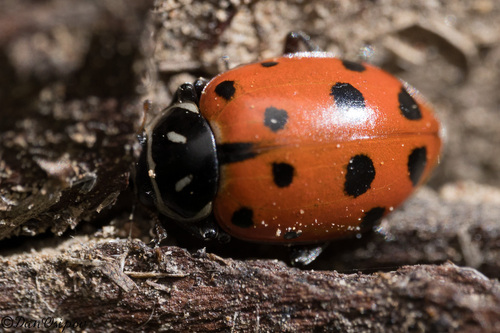
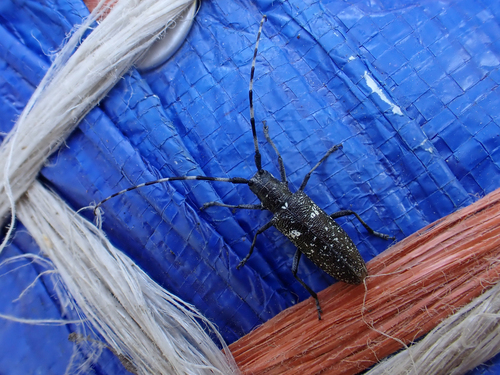
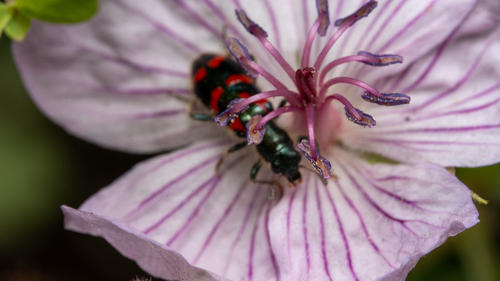
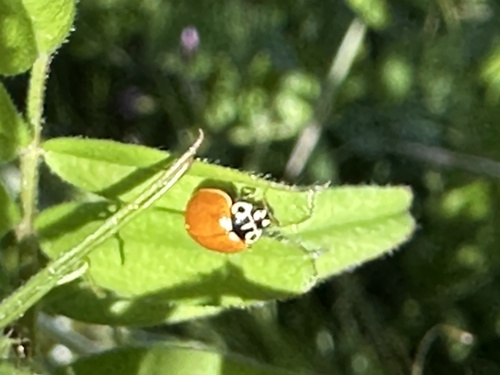
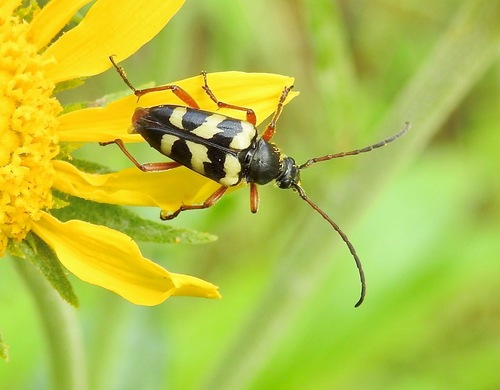
The closest relatives of the Diabolical Ironclad Beetle that you can see in Sequoia and Kings Canyon National Parks (order Coleoptera, Beetles) are Convergent Lady Beetle (about 40%), White-Spotted Sawyer (about 40%) and Ornate Checkered Beetle (about 20%), with each one's daily chance of a sighting.

Where does the Diabolical Ironclad Beetle sighting chance come from?

GBIF citizen-science records

It is estimated from how often the Diabolical Ironclad Beetle is recorded against all the insects logged in Sequoia and Kings Canyon National Parks (12 verified sightings from 2019 to 2026), calibrated against known sighting rates. Figures are rounded to the nearest 10% because citizen-science data supports honest approximations, not decimals, and months with records from fewer than five people show "—". How it works.

← Back to Sequoia and Kings Canyon National Parks