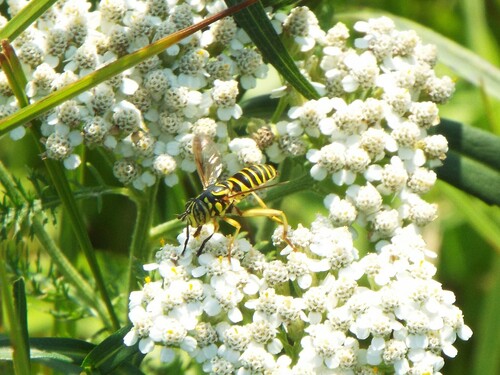
Williston's Wasp Fly

Williston's Wasp Fly

Sphiximorpha willistoni

Daily sighting probability ~10% · With luck
at Shenandoah National Park

In 3 days ~20% in a week ~30%

12 Verified sightings at Shenandoah National Park From 2019 to 2026
12 In 1 park
April Best month
☀️ Diurnal When it's spotted

About the Williston's Wasp Fly

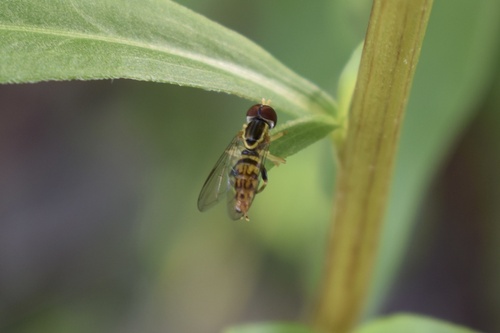
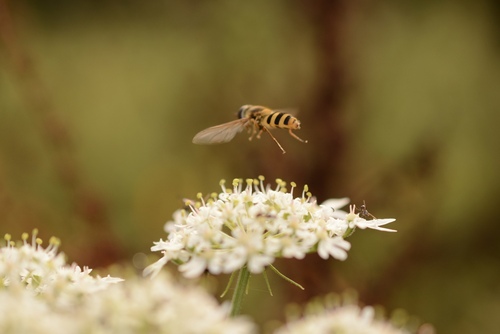
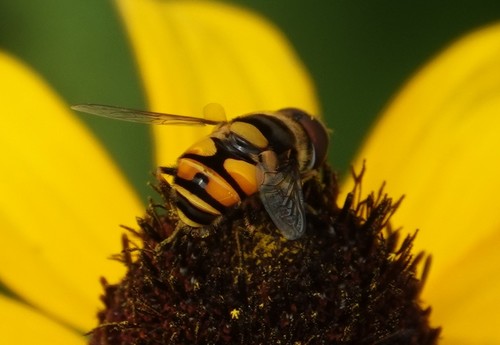
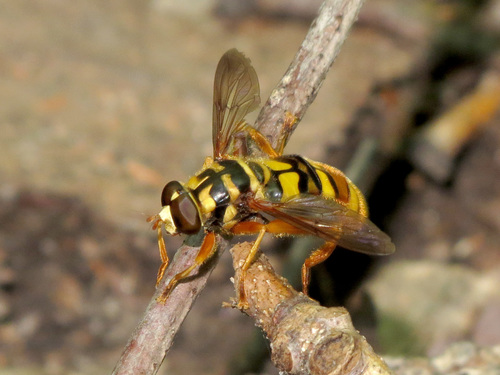
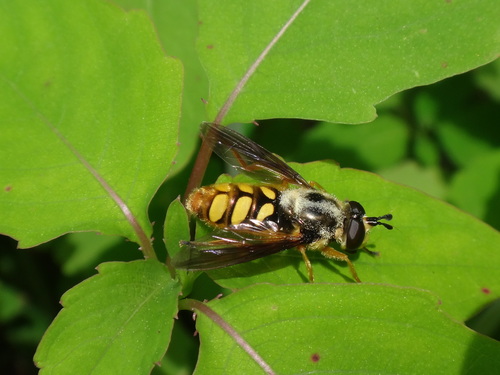
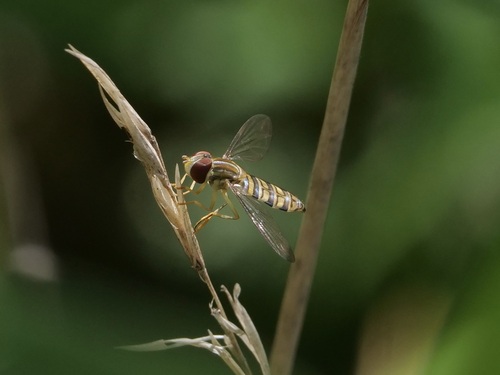
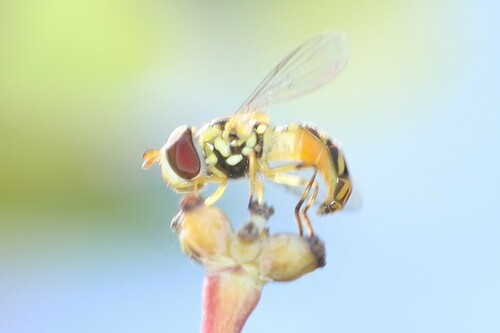
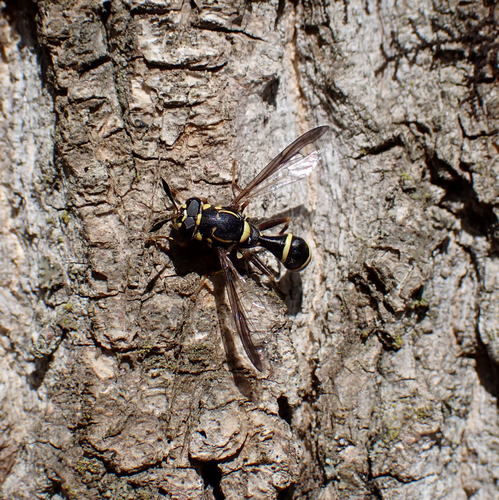
Sphiximorpha willistoni (Kahl, 1897), or Williston's wasp fly, is a rare species of syrphid fly found in eastern North America (see map). It is a strong wasp mimic. Hoverflies can remain nearly motionless in flight. The adults are also known as flower flies for they are commonly found on flowers, from which they get both energy-giving nectar and protein-rich pollen. Larvae in this genus are found in sap runs of trees.

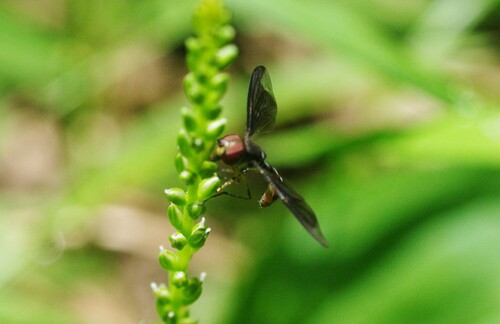
Size Between 11–14 mm (0.43–0.55 in). In overall appearance this species mimics a wasp with the darkened forewing, elongate antennae, black and yellow markings on the thorax and banded yellow markings on a thin-wasted abdomen.

Head The face is long, flat, black with varying yellow marks.It is yellow in the middle with a large black arrowhead shaped spot and the broadly rounded apex rests on the oral margin and its base and is narrowly connected with the broad black field below the antennae. This black field extends transversely to the orbit of the eye, separating the yellow of the face and from a small yellow somewhat triangular spot situated at the orbit of the eye and opposite the base of antennae. From the antennal process to the middle... Wikipedia →
Global Distribution

Parks Where Found

# Park Country Daily sighting probability
1 Shenandoah National Park 🇺🇸 United States
~10%

More parks will be added in future updates.

Cities Where Found

# City Country Daily sighting probability
1 Washington 🇺🇸 United States
<5%
2 New York City 🇺🇸 United States
<5%
3 Toronto 🇨🇦 Canada
<5%

Before you go

What are the chances of seeing a Williston's Wasp Fly in Shenandoah National Park?

With luck

About 10% of wildlife watchers report a Williston's Wasp Fly sighting in Shenandoah National Park on a given day, based on 12 verified sightings from GBIF citizen-science data from 2019 to 2026. It is the 406th most-seen of the 723 insects we can rate there. Over three days the chance rises to about 20%, and over a week to about 30%, if each day is a fresh chance.

When is the best time to see a Williston's Wasp Fly in Shenandoah National Park?

April

In that month about 20% of wildlife watchers report a Williston's Wasp Fly in Shenandoah National Park on a given day, against under 5% in June to March, the lowest months.

What time of day is best to see a Williston's Wasp Fly?

Between 1 and 4 pm

Across all the parks we cover, that three-hour window holds the most Williston's Wasp Fly sightings with a recorded time, and nearly all of them come between 6 am and 6 pm: it is a daytime animal.

Where else can you see a Williston's Wasp Fly?

Only Shenandoah National Park, in our data

Shenandoah National Park is the only park on Wallace's Line with enough records to rate Williston's Wasp Fly sightings: about 10% of wildlife watchers there report one on a given day.

Which relatives of the Williston's Wasp Fly live in Shenandoah National Park?

Same family: Syrphidae

The closest relatives of the Williston's Wasp Fly that you can see in Shenandoah National Park (family Syrphidae, Hover Flies) are Eastern Calligrapher (about 20%), Common Drone Fly (about 20%) and Black-Horned Smoothtail (about 10%), with each one's daily chance of a sighting.

Where does the Williston's Wasp Fly sighting chance come from?

GBIF citizen-science records

It is estimated from how often the Williston's Wasp Fly is recorded against all the insects logged in Shenandoah National Park (12 verified sightings from 2019 to 2026), calibrated against known sighting rates. Figures are rounded to the nearest 10% because citizen-science data supports honest approximations, not decimals, and months with records from fewer than five people show "—". How it works.

← Back to Shenandoah National Park