
Virginia Giant Hover Fly

Virginia Giant Hover Fly

Milesia virginiensis

Daily sighting probability ~10% · With luck
at Shenandoah National Park

In 3 days ~30% in a week ~50%

31 Verified sightings at Shenandoah National Park From 2019 to 2026
109 In all 5 parks
July Best month
☀️ Diurnal When it's spotted

About the Virginia Giant Hover Fly

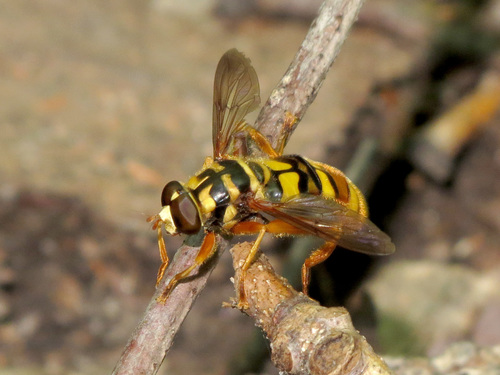
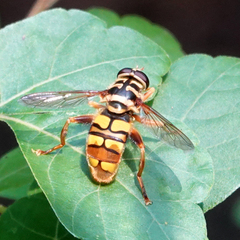
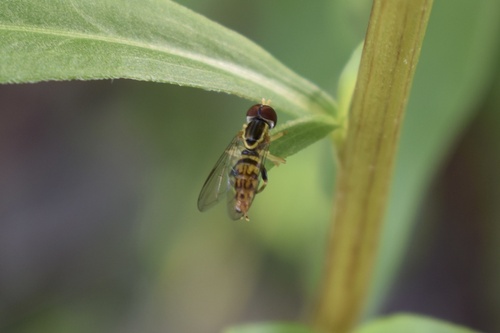
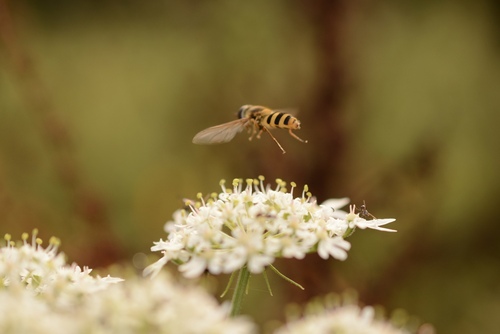
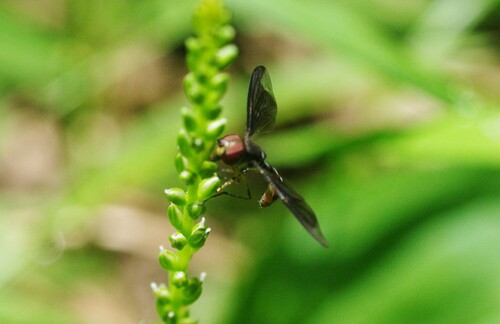
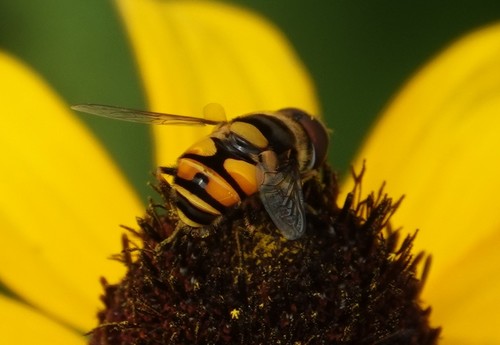
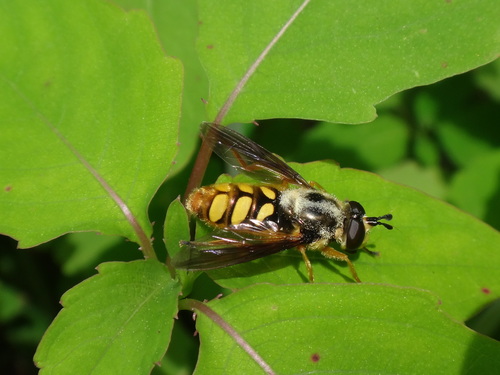
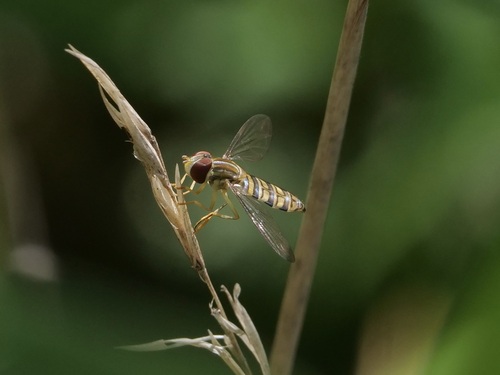
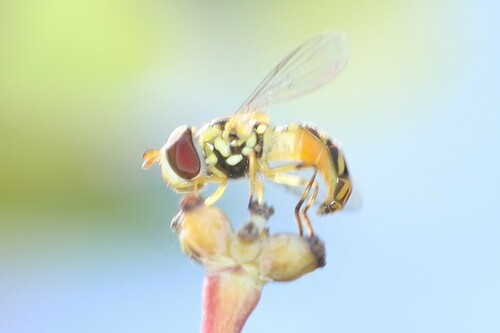
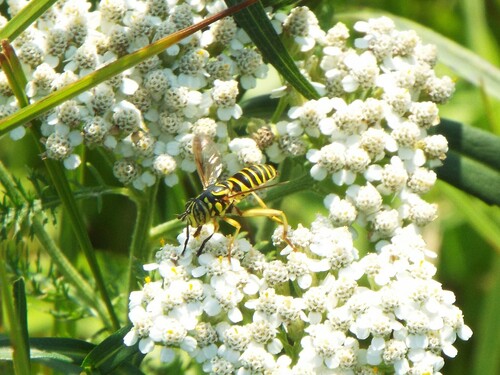
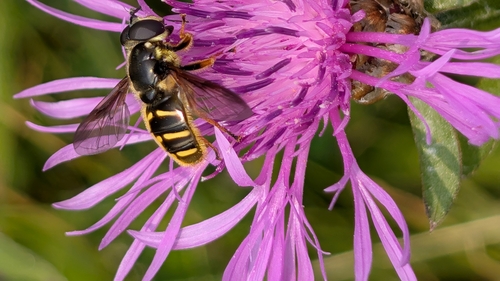
Milesia virginiensis, known generally as the yellowjacket hover fly or Virginia flower fly, is a species of hoverfly in the family Syrphidae. It measures 18–21 millimetres (0.71–0.83 in). It lives in forest edges and meadows. Adults are active mid-summer to early fall.

United States, Ontario, Canada, Mexico Adults of milesia virginiensis feed mainly on nectar and pollen, while the larvae are mainly detritovores, feeding on decaying plant matter. Adult milesia virginiensis are often seen hovering around an area, making erratic shifting movements before flying away. Milesia virginiensis cannot sting and are completely harmless.

Milesia virginiensis mimics stinging yellow-jackets or European hornets in appearance to deter potential predators. Larvae resemble caterpillars with a narrow neck and a set of antennae. Wikipedia →

Global Distribution

Parks Where Found

# Park Country Daily sighting probability
1 Congaree National Park 🇺🇸 United States
~20%
2 Shenandoah National Park 🇺🇸 United States
~10%
3 Great Smoky Mountains National Park 🇺🇸 United States
~10%
4 Merritt Island National Wildlife Refuge 🇺🇸 United States
~10%
5 Cumbres de Monterrey National Park 🇲🇽 Mexico
<5%

Cities Where Found

# City Country Daily sighting probability
1 Boston 🇺🇸 United States
<5%
2 Washington 🇺🇸 United States
<5%
3 Baltimore 🇺🇸 United States
<5%
4 Houston 🇺🇸 United States
<5%
5 New York City 🇺🇸 United States
<5%
6 Chicago 🇺🇸 United States
<5%

Before you go

What are the chances of seeing a Virginia Giant Hover Fly in Shenandoah National Park?

With luck

About 10% of wildlife watchers report a Virginia Giant Hover Fly sighting in Shenandoah National Park on a given day, based on 31 verified sightings from GBIF citizen-science data from 2019 to 2026. It is the 117th most-seen of the 723 insects we can rate there. Over three days the chance rises to about 30%, and over a week to about 50%, if each day is a fresh chance.

When is the best time to see a Virginia Giant Hover Fly in Shenandoah National Park?

July and September

In those months about 20% of wildlife watchers report a Virginia Giant Hover Fly in Shenandoah National Park on a given day, against under 5% in October to May, the lowest months.

What time of day is best to see a Virginia Giant Hover Fly?

Between 9 am and noon

Across all the parks we cover, that three-hour window holds the most Virginia Giant Hover Fly sightings with a recorded time, and nearly all of them come between 6 am and 6 pm: it is a daytime animal.

Is Shenandoah National Park the best place to see a Virginia Giant Hover Fly?

2nd of 5

Of the 5 parks where we can rate Virginia Giant Hover Fly sightings, Shenandoah National Park ranks 2nd at about 10%. The best odds are in Congaree National Park (United States, about 20%).

Which relatives of the Virginia Giant Hover Fly live in Shenandoah National Park?

Same family: Syrphidae

The closest relatives of the Virginia Giant Hover Fly that you can see in Shenandoah National Park (family Syrphidae, Hover Flies) are Eastern Calligrapher (about 20%), Common Drone Fly (about 20%) and Black-Horned Smoothtail (about 10%), with each one's daily chance of a sighting.

Where does the Virginia Giant Hover Fly sighting chance come from?

GBIF citizen-science records

It is estimated from how often the Virginia Giant Hover Fly is recorded against all the insects logged in Shenandoah National Park (31 verified sightings from 2019 to 2026), calibrated against known sighting rates. Figures are rounded to the nearest 10% because citizen-science data supports honest approximations, not decimals, and months with records from fewer than five people show "—". How it works.

← Back to Shenandoah National Park