Ingrailed Clay

Ingrailed Clay

Diarsia mendica

Daily sighting probability ~10% · With luck
at Snowdonia National Park

In 3 days ~30% in a week ~50%

13 Verified sightings at Snowdonia National Park From 2019 to 2026
35 In all 3 parks
June Best month
🌅 Crepuscular When it's spotted

About the Ingrailed Clay

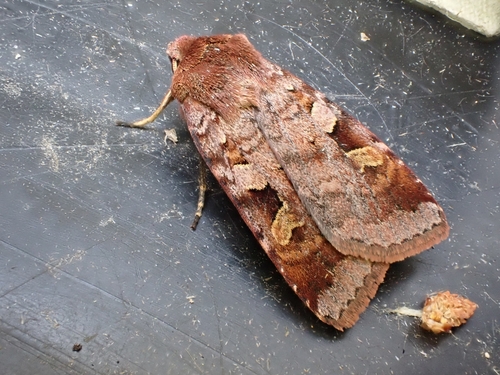
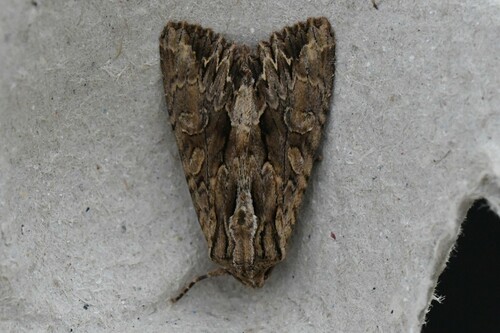
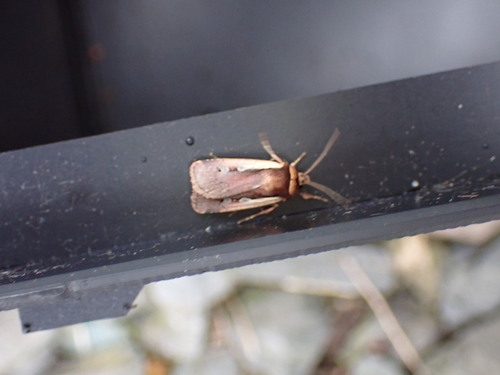
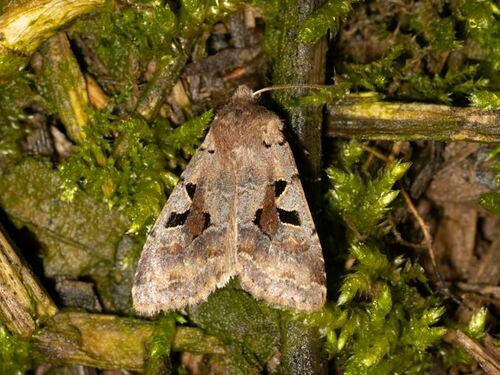
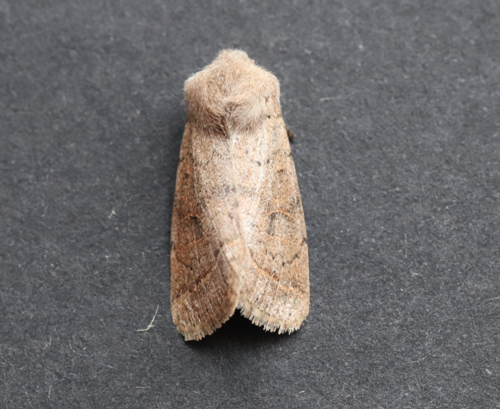
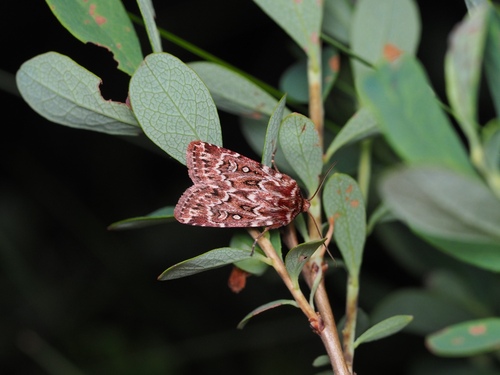
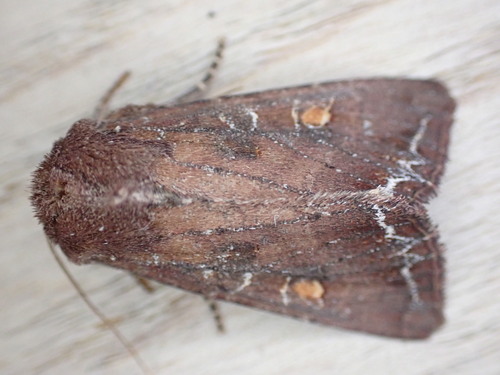
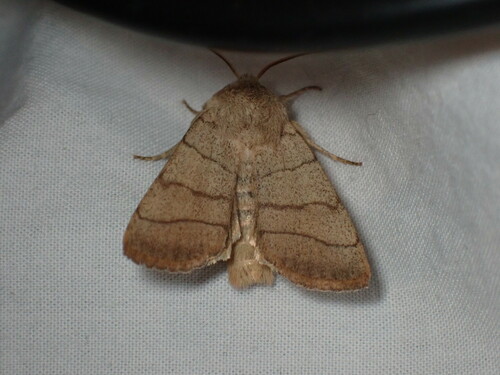
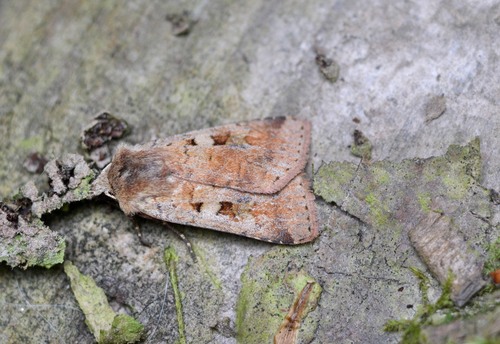
The ingrailed clay (Diarsia mendica) is a moth of the family Noctuidae. The species was first described by Johan Christian Fabricius in 1775. It is distributed through most of Europe and the Palearctic. This species occurs in a huge range of colours and is one of the most variable species in the family. Its forewings range in colour from very pale straw to very dark brown, with the pale forms predominant in the south of the range and the darker forms prevalent further north.

The wingspan is 28–36 mm. "Forewing with basal area grey, outer area red-brown; the lines and stigmata grey; hindwing dull grey with a dark lunule and transverse line and the fringe reddish; as a rule the male is paler than the female; a very variable species alike in colour and plainness of markings; ab. congener Hbn. is wholly red-brown with the stigmata yellowish; -ab. subrufa Haw. is distinguished by having the cell dark at base and between the stigmata; — ab. conflua H.-S. nec Tr. has the ground colour reddish ochreous mottled with darker; — ab. mendica F. is like the last but shows black or dark brown spaces in the cell; — ab. ignicola H.-Sch. has the ground colour yellowish ochreous, with... Wikipedia →

Global Distribution

Parks Where Found

# Park Country Daily sighting probability
1 Snowdonia National Park 🇬🇧 United Kingdom
~10%
2 Cairngorms National Park 🇬🇧 United Kingdom
~10%
3 Bavarian Forest National Park 🇩🇪 Germany
<5%

Cities Where Found

# City Country Daily sighting probability
1 Manchester 🇬🇧 United Kingdom
~10%
2 Liverpool 🇬🇧 United Kingdom
~10%
3 Birmingham 🇬🇧 United Kingdom
<5%
4 London 🇬🇧 United Kingdom
<5%

Before you go

What are the chances of seeing an Ingrailed Clay in Snowdonia National Park?

With luck

About 10% of wildlife watchers report an Ingrailed Clay sighting in Snowdonia National Park on a given day, based on 13 verified sightings from GBIF citizen-science data from 2019 to 2026. It is the 202nd most-seen of the 387 insects we can rate there. Over three days the chance rises to about 30%, and over a week to about 50%, if each day is a fresh chance.

When is the best time to see an Ingrailed Clay in Snowdonia National Park?

June and July

In those months about 20% of wildlife watchers report an Ingrailed Clay in Snowdonia National Park on a given day, against under 5% in August to May, the lowest months.

What time of day is best to see an Ingrailed Clay?

Between 6 and 9 am

Across all the parks we cover, that three-hour window holds the most Ingrailed Clay sightings with a recorded time, and about 6 in 10 of them come between 6 am and 6 pm: it is most active around dawn and dusk.

Is Snowdonia National Park the best place to see an Ingrailed Clay?

Yes

Of the 3 parks where we can rate Ingrailed Clay sightings, Snowdonia National Park has the highest daily chance: about 10%. Next come Cairngorms National Park (United Kingdom, about 10%) and Bavarian Forest National Park (Germany, under 5%).

Where does the Ingrailed Clay sighting chance come from?

GBIF citizen-science records

It is estimated from how often the Ingrailed Clay is recorded against all the insects logged in Snowdonia National Park (13 verified sightings from 2019 to 2026), calibrated against known sighting rates. Figures are rounded to the nearest 10% because citizen-science data supports honest approximations, not decimals, and months with records from fewer than five people show "—". How it works.
← Back to Snowdonia National Park