





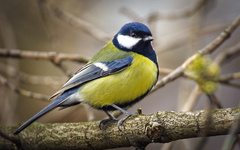
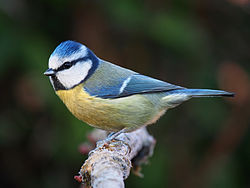


All 5 in 3 days here: ~80%
Snowdonia National Park
🇬🇧 United Kingdom
British Isles, United Kingdom 454 spp. recorded
Snowdonia National Park sits in northwest Wales, forming a dramatic protected expanse of rugged peaks, deep glacial valleys, and ancient temperate forests. Unlike the low-rolling chalk hills found across much of southern Britain, this terrain rises sharply from coastal estuaries into high, craggy mountains carved by ice, sheltering dense Atlantic oak woodlands within its lower sheltered basins.
52.859° N 3.784° W
🦜 Nature

251 Species sighted
48,627 Verified sightings From 2019 to 2026
Jun Best month
⭐ Iconic Species
📊 Most Spotted
📊 Most Spotted
⭐ Iconic Species
📊 Most Spotted
⭐ Iconic Species
📊 Most Spotted
📊 Most Spotted
📊 Most Spotted
🌙 Most active after dark
+ 259 more species with insufficient data
Challenges you can complete here


All 7 in 3 days here: ~10%
Recent sightings in Snowdonia National Park
LIVEiNaturalistSighting Calendar
How many species you'd see in a day
38Jan
39Feb
55Mar
62Apr
73May
80Jun
73Jul
67Aug
56Sep
51Oct
42Nov
32Dec
Sighting Zones
Warmer areas are where all species together are recorded most often.
-
Conwy RSPB Reserve
-
View & Bench
Daily sight. prob.vs avg






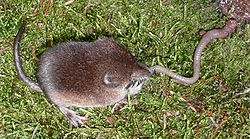


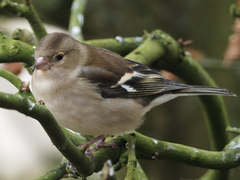


🏕️ Experience
Essentials
Entrance
Free
Tourism
High
Typical stay
1–2
daysTrails
Moderate
World Heritage
No
Climate
Temp °C Rain mm
JanFebMarAprMayJunJulAugSepOctNovDec
0.0 Moderate
Wallace's Line Score
How good is this park for seeing wildlife? 🦜
Biodiversity
GoodHow rich is the wildlife?
3.1
Species by taxon
🦅 Birds 346
🐒 Mammals 87
🦎 Reptiles 15
🐸 Amphibians 6
454 Total Species
828 Global average across 316 parks
29 Threatened 10 Endemic
🔭
Sighting
GoodHow likely to see animals?
2.9
🎯
Top-12 Avg Probability
64% 📊
Coverage (137 species at ≥5% of 454 in the inventory)
30% 🔀
Taxon variety in top 12 (10 bird, 2 reptile)
37% 🔭
Species per 10 outings (distinct species a visitor would meet over 10 outings — effort held equal across parks)
96 🌟
Iconic-group species (≥15%) (every species from the 19 iconic groups — monkeys, cats, toucans, macaws, sloths, crocodilians… — not just the 4 highlighted above)
1 ⭐
High-prob species (>40%)
26 🏕️
Experience
GoodHow easy and pleasant is the visit?
3.1
Climate Harsh Low
Entrance Free High
Tourism High Low
Trails Moderate Medium
World Heritage No —
What visitors say
Some of us saw a Spotted Flycatcher, before we headed up to the Nant Ffrancon (stream of the spear) Pass in Snowdonia to see some mountain birds (Ring Ouzel, Ravens etc), which sadly didn’t show, but we were serenaded by a cuckoo, calling most of the time we were there.
A few minutes later and we were watching two juvenile Raven and then i spotted a male Peregrine and he landed just below us, allowing me to get some decent pics with the bridge camera, what a cracker!.
Snowdonia provides engaging students opportunities on subjects that show the threatening nature of disease and invasive species on our native plants.
Before you go
What animals can you see in Snowdonia National Park?
454 species
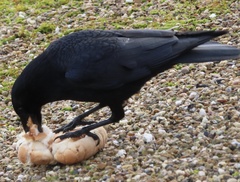
Snowdonia National Park has 454 recorded vertebrate species. The ones wildlife watchers report most often on a given day are Carrion Crow (about 80%), European Robin (about 70%), Eurasian Blackbird (about 70%), European Herring Gull (about 70%) and Blue Tit (about 70%). Among mammals, the most-seen is Eastern Gray Squirrel (about 30%); among reptiles, Viviparous Lizard (about 70%); among amphibians, European Common Frog (about 50%).
When is the best time to visit Snowdonia National Park for wildlife?
March to May
In those months the park's 12 most-seen species average about 70% on a given day, against about 60% in June to February.
Can you see a Carrion Crow in Snowdonia National Park?
Yes
About 80% of wildlife watchers report a Carrion Crow sighting in Snowdonia National Park on a given day, based on 1,446 verified sightings from GBIF citizen-science data from 2019 to 2026. The best time is January, September and November (about 90%).
Can you see a Common Buzzard in Snowdonia National Park?
Yes
About 40% of wildlife watchers report a Common Buzzard sighting in Snowdonia National Park on a given day, based on 688 verified sightings from GBIF citizen-science data from 2019 to 2026. The best time is March (about 50%).
Can you see a Viviparous Lizard in Snowdonia National Park?
Yes
About 70% of wildlife watchers report a Viviparous Lizard sighting in Snowdonia National Park on a given day, based on 230 verified sightings from GBIF citizen-science data from 2019 to 2026. The best time is March–April and August (about 80%).
Where in Snowdonia National Park is wildlife easiest to see?
Around Conwy RSPB Reserve
The richest sighting zone is around Conwy RSPB Reserve, followed by Bodnant Garden (NT) and Bangor University, ranked by how many of the park's headline animals visitors can expect to see in each. See the zones on the map.
Is Snowdonia National Park good for wildlife watching?
3.0 out of 5
On the Wallace's Line Score, Snowdonia National Park rates 3.0/5: 284th of 316 parks worldwide and 18th in Europe. 34 of its species are reported by about 40% or more of wildlife watchers on a given day.


