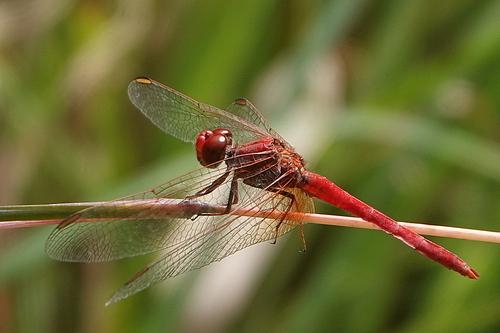
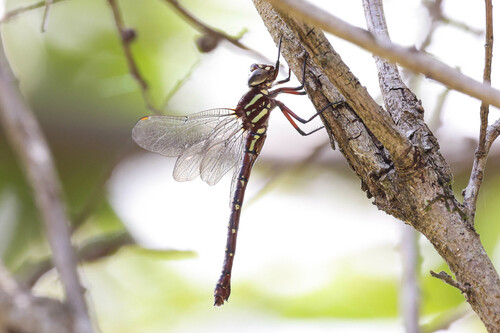
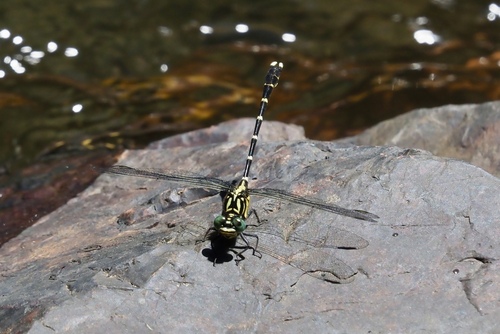
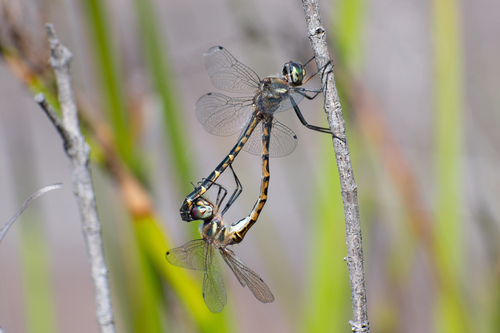
Sapphire Rockmaster

Sapphire Rockmaster

Diphlebia coerulescens

Endemic
Daily sighting probability ~30% · Possible
at Springbrook National Park

In 3 days ~70% in a week ~90%

185 Verified sightings at Springbrook National Park From 2019 to 2026
416 In all 2 parks
November Best month
☀️ Diurnal When it's spotted

About the Sapphire Rockmaster

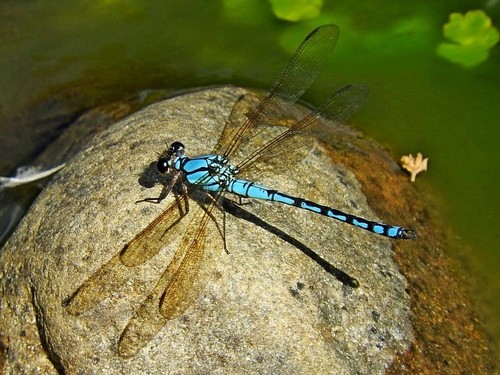
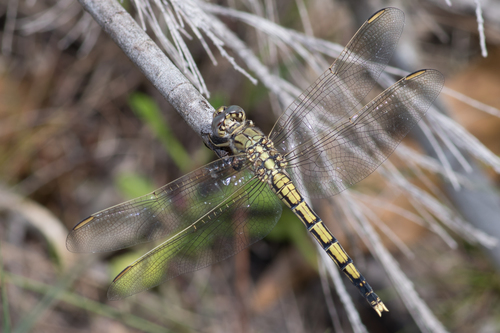
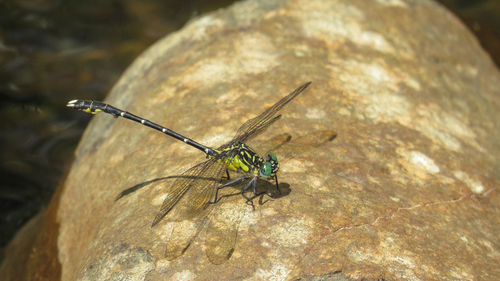
Diphlebia coerulescens, known as the sapphire rockmaster, is an Australian species of broad winged damselfly. It is one of a group known as the azure damselflies. It is found in Queensland and north-eastern New South Wales in eastern Australia, where it is found in fast-flowing streams and rivers.

English-born entomologist, Robin Tillyard described the sapphire rockmaster as a subspecies of the tropical rockmaster, Diphlebia euphoeoides in 1913, before reassessing it as a separate species on the basis of the distinct shape of the male anal appendage, as well as differences in size and colour of the adults.

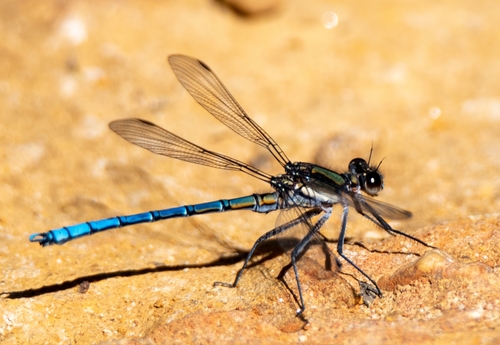
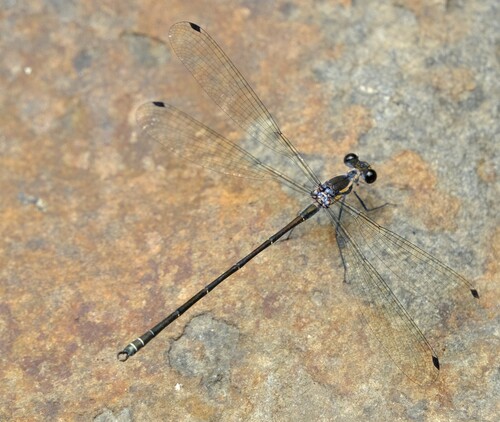
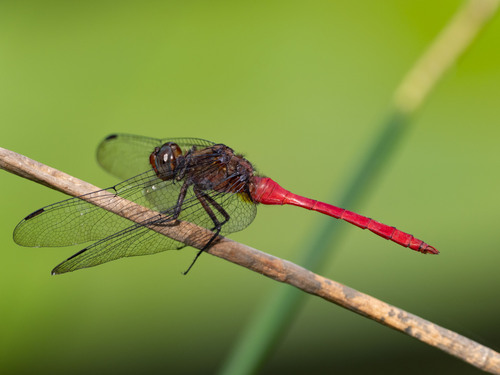
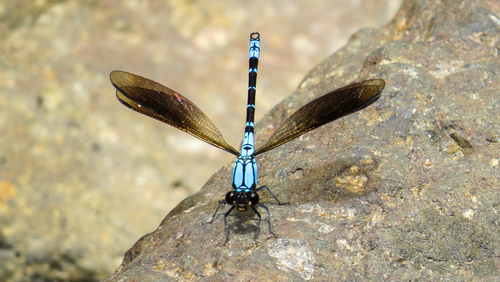
The male sapphire rockmaster has a mostly bright blue and black body with dark wings. It can be distinguished from the tropical rockmaster by the larger size of two prominent blue markings at the base (front end) and underside of terga 4 to 6. Its upperside abdomen of its otherwise black abdomen often has blue markings to the front ends of the terga. The wings are narrower than the tropical rockmaster, but wider than the other members of the genus, and are a smoky brown rather than black. The legs are mostly brownish black, but have some blue on the upper mid and hind femurs. The female sapphire rockmaster is predominantly brown and olive-green, and also has smoky-coloured wings. Its legs are dark brown with light brown upper segments of mid and hind femurs. The upperside of its abdomen is a dark olive-green, with a darker dorsal line prominently running down the midline, which widens into a roughly triangular pattern at the rear end of each segment (tergum). Wikipedia →
Global Distribution

Parks Where Found

# Park Country Daily sighting probability
1 Lamington National Park 🇦🇺 Australia
~40%
2 Springbrook National Park 🇦🇺 Australia
~30%

Before you go

What are the chances of seeing a Sapphire Rockmaster in Springbrook National Park?

Possible

About 30% of wildlife watchers report a Sapphire Rockmaster sighting in Springbrook National Park on a given day, based on 185 verified sightings from GBIF citizen-science data from 2019 to 2026. It is the most-seen of the 429 insects we can rate there. Over three days the chance rises to about 70%, and over a week to about 90%, if each day is a fresh chance.

When is the best time to see a Sapphire Rockmaster in Springbrook National Park?

November and December

In those months about 50% of wildlife watchers report a Sapphire Rockmaster in Springbrook National Park on a given day, against under 5% in May to August, the lowest months.

What time of day is best to see a Sapphire Rockmaster?

Between 9 am and noon

Across all the parks we cover, that three-hour window holds the most Sapphire Rockmaster sightings with a recorded time, and nearly all of them come between 6 am and 6 pm: it is a daytime animal.

Is Springbrook National Park the best place to see a Sapphire Rockmaster?

2nd of 2

Of the 2 parks where we can rate Sapphire Rockmaster sightings, Springbrook National Park ranks 2nd at about 30%. The best odds are in Lamington National Park (Australia, about 40%).

Which relatives of the Sapphire Rockmaster live in Springbrook National Park?

Same genus: Diphlebia

The closest relatives of the Sapphire Rockmaster that you can see in Springbrook National Park (genus Diphlebia, Rockmasters) are Arrowhead Rockmaster (about 20%) and Whitewater Rockmaster (about 10%), with each one's daily chance of a sighting.

Where does the Sapphire Rockmaster sighting chance come from?

GBIF citizen-science records

It is estimated from how often the Sapphire Rockmaster is recorded against all the insects logged in Springbrook National Park (185 verified sightings from 2019 to 2026), calibrated against known sighting rates. Figures are rounded to the nearest 10% because citizen-science data supports honest approximations, not decimals, and months with records from fewer than five people show "—". How it works.

← Back to Springbrook National Park