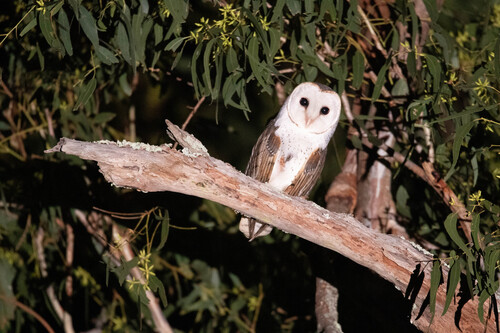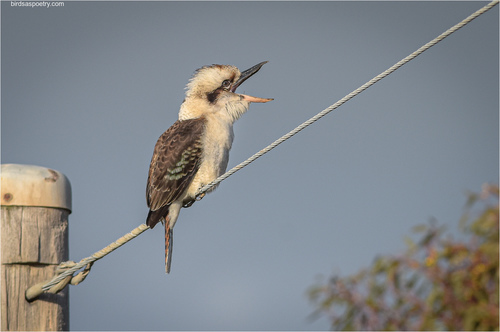


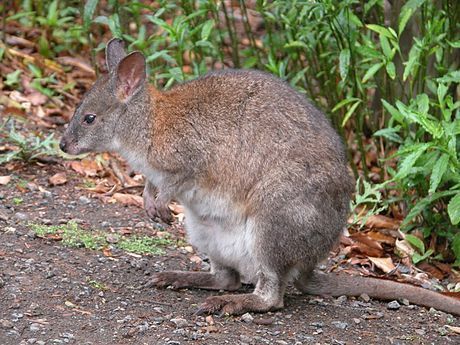


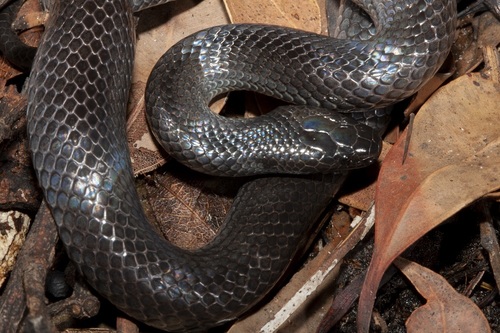




All 5 in 3 days here: ~40%
Springbrook National Park
🇦🇺 Australia
Oceania, Australia 664 spp. recorded
Springbrook National Park is a temperate forest reserve in the Gold Coast hinterland of southeast Queensland, Australia. It is known for its patchwork of waterfalls, ancient sandstone gorges and lush fern‑filled valleys that differ from the coastal dunes of nearby parks.
-28.202° S 153.296° E
🦜 Nature

280 Species sighted
16,172 Verified sightings From 2019 to 2026
Nov Best month
⭐ Iconic Species
📊 Most Spotted
⭐ Iconic Species
📊 Most Spotted
📊 Most Spotted
⭐ Iconic Species
📊 Most Spotted
⭐ Iconic Species
📊 Most Spotted
📊 Most Spotted
⭐ Iconic Species
🌙 Most active after dark
+ 461 more species with insufficient data
Challenges you can complete here
Recent sightings in Springbrook National Park
LIVEiNaturalistSighting Calendar
How many species you'd see in a day
66Jan
61Feb
67Mar
58Apr
55May
43Jun
44Jul
59Aug
57Sep
55Oct
71Nov
68Dec
Sighting Zones
Warmer areas are where all species together are recorded most often.
-
Natural Bridge
Daily sight. prob.vs avg Red-legged Pademelon~80%+10%
 Carpet Python~80%+40%
 Australian Water Dragon~60%+30%
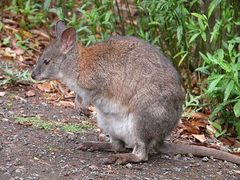 Red-necked Pademelon~60%+10%
 Lewin's Honeyeater~60%-20%
 Southern Leaf-tailed Gecko~60%+20%
 Pearson's Green Tree Frog~50%+30%
 Eastern Whipbird~40%-30%
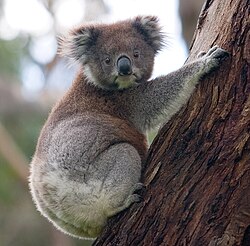 Koala~40%-20%
 Great Barred Frog~40%≈
 Land Mullet~40%-10%
 Eastern Yellow Robin~30%-30%
-
Purling Brook Falls
Daily sight. prob.vs avg -
Numinbah Lookout
Daily sight. prob.vs avg- Land Mullet~80%+30%
- Carpet Python~70%+30%
 Blue-speckled Forest Skink~70%+50%
- Red-legged Pademelon~70%≈
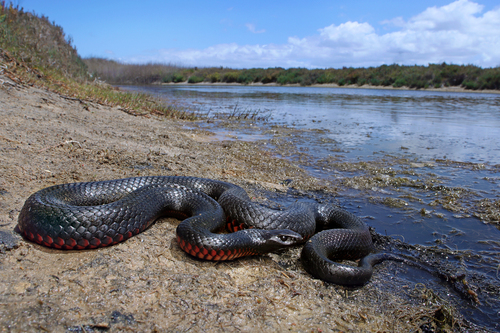
 Red-bellied Black Snake~60%+40%
- Australian Water Dragon~50%+20%
- Lewin's Honeyeater~50%-30%
- Koala~40%-20%
 Lace Monitor~40%+10%
- Red-necked Pademelon~30%-10%
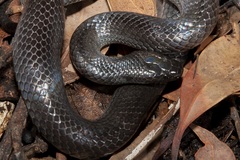
 Dwarf Crowned Snake~30%+20%
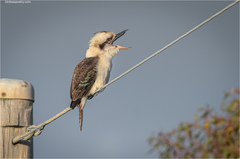 Laughing Kookaburra~30%-30%
-
Paradise Valley
Daily sight. prob.vs avg



🏕️ Experience
Essentials
Climate
Temp °C Rain mm
JanFebMarAprMayJunJulAugSepOctNovDec
0.0 Good
Wallace's Line Score
How good is this park for seeing wildlife? 🦜
Biodiversity
ExcellentHow rich is the wildlife?
5.0
Species by taxon
🦅 Birds 404
🐒 Mammals 95
🦎 Reptiles 121
🐸 Amphibians 44
664 Total Species
828 Global average across 316 parks
31 Threatened 322 Endemic
🔭
Sighting
GoodHow likely to see animals?
3.1
🎯
Top-12 Avg Probability
61% 📊
Coverage (170 species at ≥5% of 664 in the inventory)
26% 🔀
Taxon variety in top 12 (9 bird, 2 mammal, 1 reptile)
54% 🔭
Species per 10 outings (distinct species a visitor would meet over 10 outings — effort held equal across parks)
94 🌟
Iconic-group species (≥15%) (every species from the 19 iconic groups — monkeys, cats, toucans, macaws, sloths, crocodilians… — not just the 4 highlighted above)
16 ⭐
High-prob species (>40%)
21 🏕️
Experience
Very goodHow easy and pleasant is the visit?
3.4
Climate Mixed Medium
Entrance Free High
Tourism High Low
Trails Hard Low
World Heritage Yes Bonus
What visitors say
Both times we went, first just Mikael and I, and a week later with my mom as well, we saw a wallaby.
We were staying near the Channon, a lovely place, but were really keen to visit Springbrook National Park- although not particularly near where we were staying (in fact, closer to home, oops!!).
Having lost some valuable time, we had to head straight for Lamington National Park, leaving the rest of Springbrook National Park for another time.
At the bottom the driver pulled over to let us pass and we were on our way back to camp after another beautiful day in Springbrook National Park.
Before you go
What animals can you see in Springbrook National Park?
664 species
Springbrook National Park has 664 recorded vertebrate species. The ones wildlife watchers report most often on a given day are Lewin's Honeyeater (about 80%), Eastern Whipbird (about 80%), Red-legged Pademelon (about 70%), Pied Currawong (about 70%) and Eastern Yellow Robin (about 60%). Among reptiles, the most-seen is Land Mullet (about 50%); among amphibians, Great Barred Frog (about 40%).
When is the best time to visit Springbrook National Park for wildlife?
March and November
In those months the park's 12 most-seen species average about 70% on a given day, against about 50% in April and June.
Can you see a Red-legged Pademelon in Springbrook National Park?
Yes
About 70% of wildlife watchers report a Red-legged Pademelon sighting in Springbrook National Park on a given day, based on 518 verified sightings from GBIF citizen-science data from 2019 to 2026. The best time is February and March (about 80%).
Can you see a Land Mullet in Springbrook National Park?
Yes
About 50% of wildlife watchers report a Land Mullet sighting in Springbrook National Park on a given day, based on 192 verified sightings from GBIF citizen-science data from 2019 to 2026. The best time is December and January (about 70%).
Can you see a Great Barred Frog in Springbrook National Park?
Yes
About 40% of wildlife watchers report a Great Barred Frog sighting in Springbrook National Park on a given day, based on 115 verified sightings from GBIF citizen-science data from 2019 to 2026. The best time is December to February (about 50%).
Where in Springbrook National Park is wildlife easiest to see?
Around Natural Bridge
The richest sighting zone is around Natural Bridge, followed by Purling Brook Falls and Numinbah Lookout, ranked by how many of the park's headline animals visitors can expect to see in each. See the zones on the map.
Is Springbrook National Park good for wildlife watching?
3.7 out of 5
On the Wallace's Line Score, Springbrook National Park rates 3.7/5: 149th of 316 parks worldwide and 11th in Oceania. 26 of its species are reported by about 40% or more of wildlife watchers on a given day.