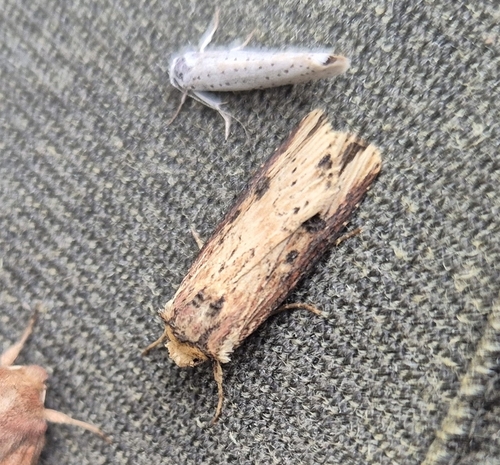
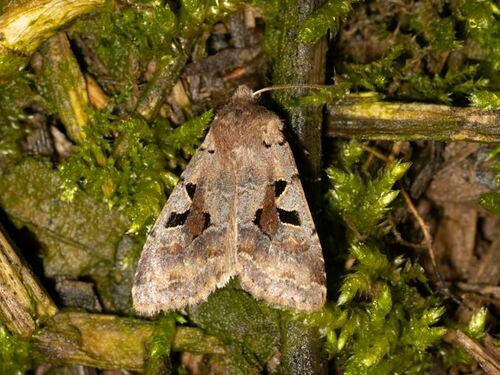
Dog's Tooth

Dog's Tooth

Lacanobia suasa

Daily sighting probability ~10% · With luck
at Wadden Sea National Park

In 3 days ~30% in a week ~60%

130 Verified sightings at Wadden Sea National Park From 2019 to 2026
130 In 1 park
August Best month
☀️🌙 Day & Night When it's spotted

About the Dog's Tooth

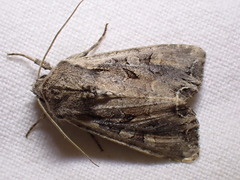
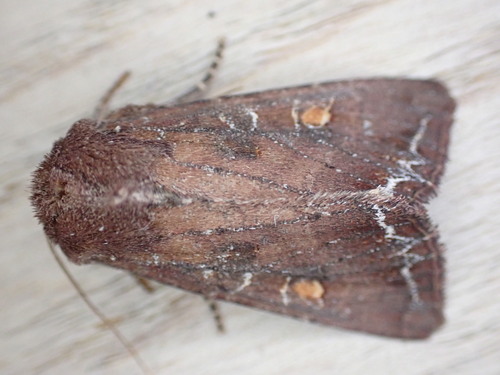
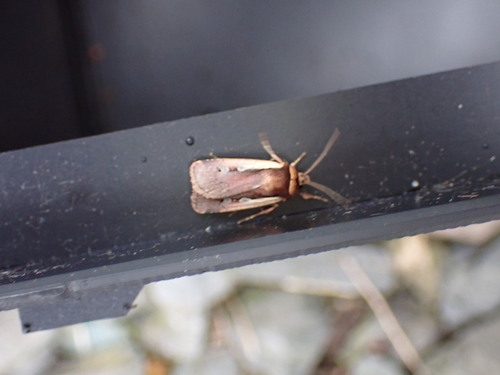
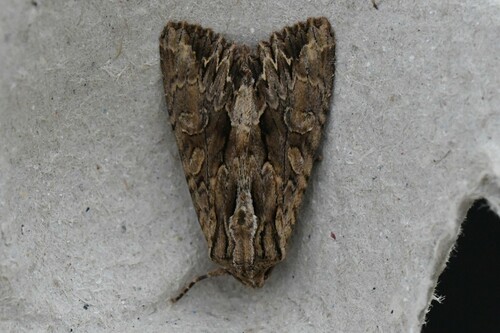
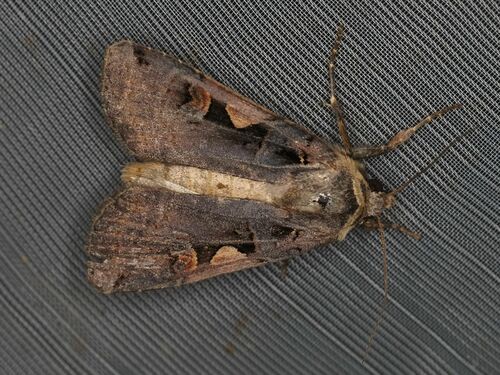
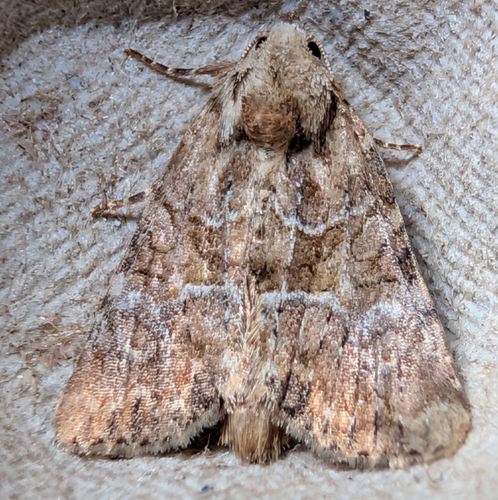
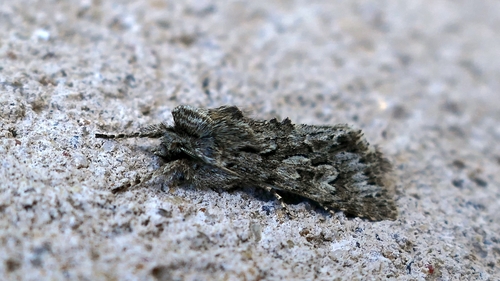
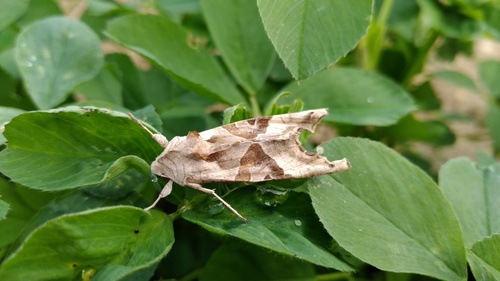
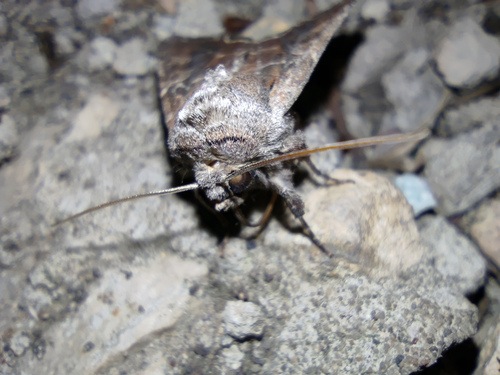
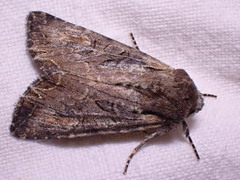
Lacanobia suasa, the dog’s tooth, is a moth of the family Noctuidae. It is found in the Palearctic realm (Europe, Ural Mountains, Russia, Amur Oblast). The wingspan is 32–37 mm. Forewing pale ash grey, suffused with olive brown; a black streak from base below cell, Forewing uniform dull red brown, with all the markings obscured, even the black basal streak sometimes obsolete, as well as the usually plain pale submarginal line with its two sharp teeth on veins 3 and 4; hindwing dull fuscous, paler towards base with the veins darker; the form suasa Bkh. [sic] the commonest of all, is pale leatherbrown, with distinct markings, a black basal streak, blackish claviform stigma, a dark cloud at lower end of cell, and black marginal area; the upper stigmata paler; of this laeta Reuter from Scandinavia, Finland, and the Baltic coast, but occurring also elsewhere, is an extreme form, showing a pale patch at base of costa and black wedgeshaped marks preceding the pale submarginal line; confluens Ev. is the darkest form of all, being entirely blackish fuscous, with the markings just outlined and the submarginal line sometimes broken up into dots; a pale... Wikipedia →
Global Distribution

Parks Where Found

# Park Country Daily sighting probability
1 Wadden Sea National Park 🇩🇪 Germany
~10%

More parks will be added in future updates.

Cities Where Found

# City Country Daily sighting probability
1 Moscow 🇷🇺 Russia
<5%
2 Vienna 🇦🇹 Austria
<5%

Before you go

What are the chances of seeing a Dog's Tooth in Wadden Sea National Park?

With luck

About 10% of wildlife watchers report a Dog's Tooth sighting in Wadden Sea National Park on a given day, based on 130 verified sightings from GBIF citizen-science data from 2019 to 2026. It is the 34th most-seen of the 818 insects we can rate there. Over three days the chance rises to about 30%, and over a week to about 60%, if each day is a fresh chance.

When is the best time to see a Dog's Tooth in Wadden Sea National Park?

July and August

In those months about 20% of wildlife watchers report a Dog's Tooth in Wadden Sea National Park on a given day, against under 5% in September to March, the lowest months.

What time of day is best to see a Dog's Tooth?

Between 11 pm and 2 am

Across all the parks we cover, that three-hour window holds the most Dog's Tooth sightings with a recorded time, and about half of them come between 6 am and 6 pm: it is seen both by day and at night.

Where else can you see a Dog's Tooth?

Only Wadden Sea National Park, in our data

Wadden Sea National Park is the only park on Wallace's Line with enough records to rate Dog's Tooth sightings: about 10% of wildlife watchers there report one on a given day.

Where does the Dog's Tooth sighting chance come from?

GBIF citizen-science records

It is estimated from how often the Dog's Tooth is recorded against all the insects logged in Wadden Sea National Park (130 verified sightings from 2019 to 2026), calibrated against known sighting rates. Figures are rounded to the nearest 10% because citizen-science data supports honest approximations, not decimals, and months with records from fewer than five people show "—". How it works.

← Back to Wadden Sea National Park