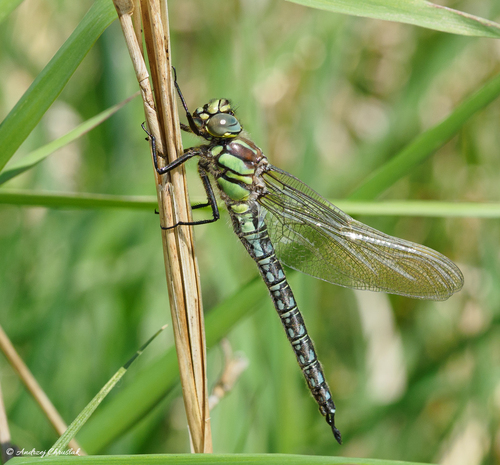
Hairy Dragonfly

Hairy Dragonfly

Brachytron pratense

Daily sighting probability <5% · Rare
at Wadden Sea National Park

In 3 days ~10% in a week ~20%

8 Verified sightings at Wadden Sea National Park From 2019 to 2026
19 In all 3 parks
May Best month
☀️ Diurnal When it's spotted

About the Hairy Dragonfly

Brachytron is a monotypic genus of European dragonfly of the family Aeshnidae containing the hairy dragonfly (Brachytron pratense), also known as the hairy hawker or spring hawker. It is found in Europe and Asia Minor, as far east as the Caspian Sea. With a typical length of around 5.5 centimetres (2.2 in) it resides close to water bodies containing plants and has a flight season running from May to July.

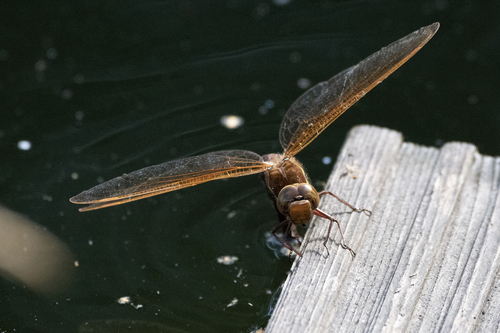
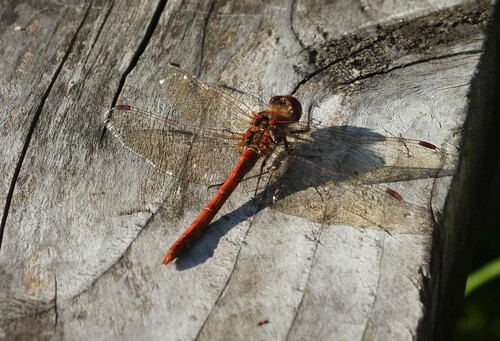
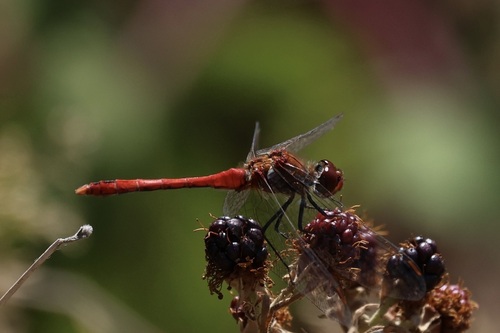
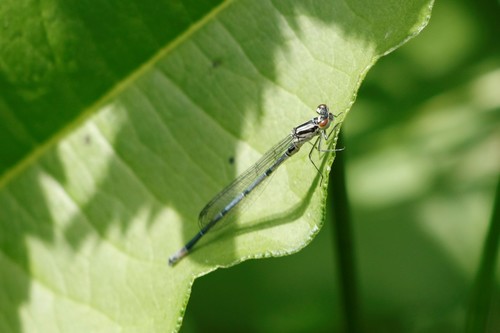
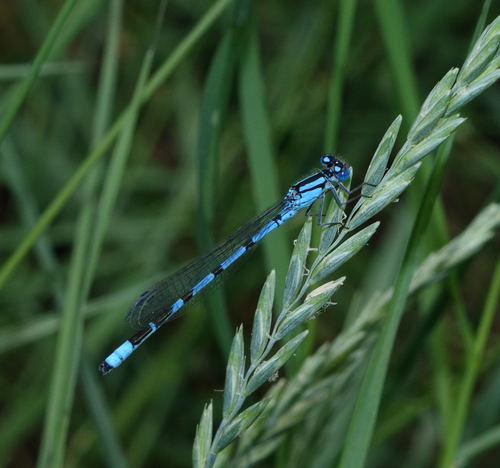
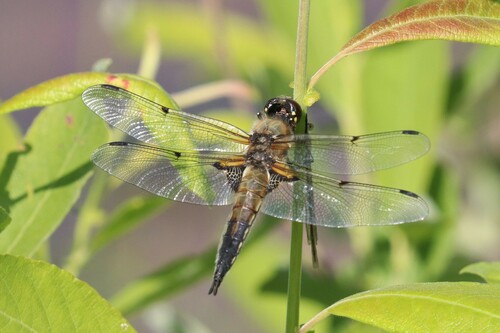
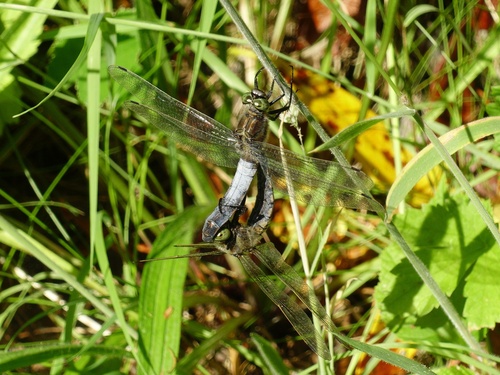
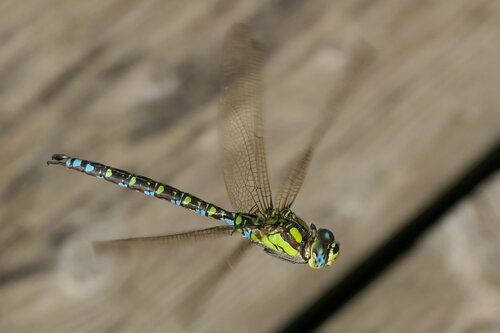
The hairy dragonfly is named for its hairy thorax, distinguishing it from other hawkers. It has a long, narrow pterostigma (the coloured, sclerotized patch on the outer region of each wing). The antehumeral stripes are usually thin and green. The hairy dragonfly has coupled, oval-shaped markings on its abdomen, blue on males and yellow on females. It is smaller than other species in the genus Aeshna. It is the United Kingdom's smallest hawker.

The hairy dragonfly lives in ponds, lakes, fens, ditches, and canals rich in vegetation. Some plants that grow there include the common club rush, common reed, great fen sedge, and true bulrush. This dragonfly requires open and sunny areas with dense vegetation for protection. Here they are able to feed on flying... Wikipedia →
Global Distribution

Parks Where Found

# Park Country Daily sighting probability
1 Hortobágy National Park 🇭🇺 Hungary
~20%
2 Biebrza National Park 🇵🇱 Poland
~20%
3 Wadden Sea National Park 🇩🇪 Germany
<5%

Cities Where Found

# City Country Daily sighting probability
1 London 🇬🇧 United Kingdom
<5%
2 Vienna 🇦🇹 Austria
<5%
3 Moscow 🇷🇺 Russia
<5%

Before you go

What are the chances of seeing a Hairy Dragonfly in Wadden Sea National Park?

Rare

Under 5% of wildlife watchers report a Hairy Dragonfly sighting in Wadden Sea National Park on a given day, based on 8 verified sightings from GBIF citizen-science data from 2019 to 2026. It is the 536th most-seen of the 818 insects we can rate there. Over three days the chance rises to about 10%, and over a week to about 20%, if each day is a fresh chance.

When is the best time to see a Hairy Dragonfly in Wadden Sea National Park?

May and June

In those months about 10% of wildlife watchers report a Hairy Dragonfly in Wadden Sea National Park on a given day, against under 5% in July to April, the lowest months.

What time of day is best to see a Hairy Dragonfly?

Between 10 am and 1 pm

Across all the parks we cover, that three-hour window holds the most Hairy Dragonfly sightings with a recorded time, and nearly all of them come between 6 am and 6 pm: it is a daytime animal.

Is Wadden Sea National Park the best place to see a Hairy Dragonfly?

3rd of 3

Of the 3 parks where we can rate Hairy Dragonfly sightings, Wadden Sea National Park ranks 3rd at under 5%. The best odds are in Hortobágy National Park (Hungary, about 20%) and Biebrza National Park (Poland, about 20%).

Which relatives of the Hairy Dragonfly live in Wadden Sea National Park?

Same family: Aeshnidae

The closest relatives of the Hairy Dragonfly that you can see in Wadden Sea National Park (family Aeshnidae, Darners) are Southern Hawker (about 10%), Migrant Hawker (about 10%) and Blue Emperor (about 10%), with each one's daily chance of a sighting.

Where does the Hairy Dragonfly sighting chance come from?

GBIF citizen-science records

It is estimated from how often the Hairy Dragonfly is recorded against all the insects logged in Wadden Sea National Park (8 verified sightings from 2019 to 2026), calibrated against known sighting rates. Figures are rounded to the nearest 10% because citizen-science data supports honest approximations, not decimals, and months with records from fewer than five people show "—". How it works.

← Back to Wadden Sea National Park