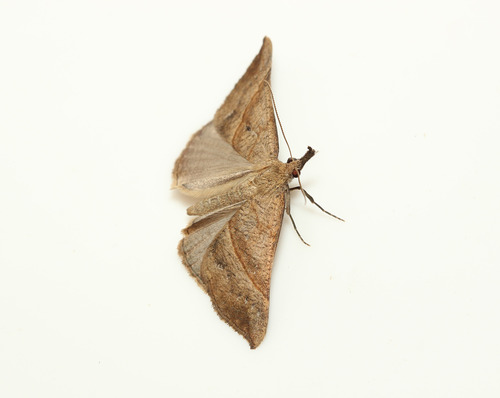
Waved Black

Waved Black

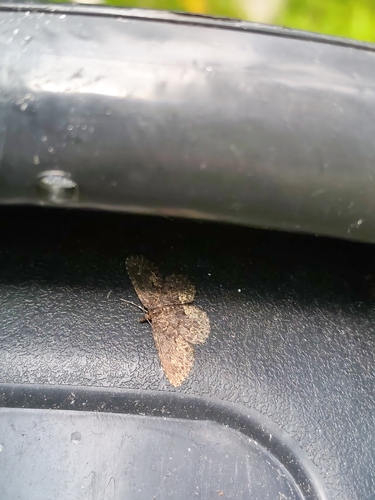
Parascotia fuliginaria

Daily sighting probability <5% · Rare
at Wadden Sea National Park

In 3 days ~10% in a week ~30%

13 Verified sightings at Wadden Sea National Park From 2019 to 2026
13 In 1 park
August Best month
☀️🌙 Day & Night When it's spotted

About the Waved Black

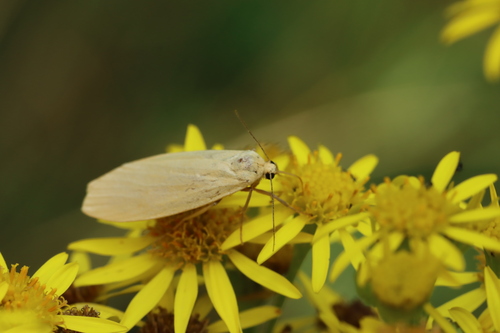
Parascotia fuliginaria, the waved black moth, is a species of moth of the family Erebidae. It is found in Europe as far east as the Ural Mountains, in Armenia and Asia Minor, and is an introduced species in North America.

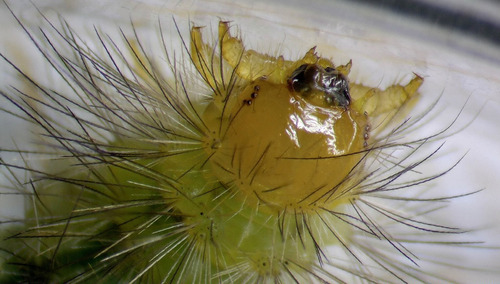
This species is associated with damp woodlands, especially those with high densities of fungus or dead wood. Larvae eat fungi, lichens, and decaying wood. Adult P. fuliginaria fly through summer and are active at night. The moth is scarce in some parts of its range, but in Britain it remains nationally secure. Publication of a chromosome-level assemblage of its genome gives a general insight into the genomics and genetics of the waved black moth.

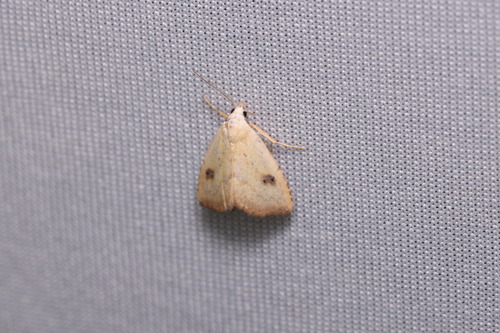
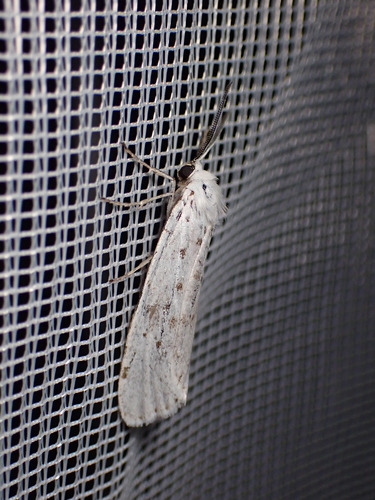
P. fuliginaria L. forewing blackish fuscous; lines yellowish ochreous, edged with black; the outer dentate, the subterminal waved; a black mark at end of cell; hindwing like forewing; — the ab. flava Horm., from the Bukowina, has in the male quite pale ochreous wings, with two blackish fasciae in middle of wing and almost obsolete terminal spots; the female is pale yellowish brown, with darker dusting, especially in the basal and terminal areas; — ab. carbonaria Esp. is wholly... Wikipedia →
Global Distribution

Parks Where Found

# Park Country Daily sighting probability
1 Wadden Sea National Park 🇩🇪 Germany
<5%

More parks will be added in future updates.

Cities Where Found

# City Country Daily sighting probability
1 London 🇬🇧 United Kingdom
<5%
2 Moscow 🇷🇺 Russia
<5%

Before you go

What are the chances of seeing a Waved Black in Wadden Sea National Park?

Rare

Under 5% of wildlife watchers report a Waved Black sighting in Wadden Sea National Park on a given day, based on 13 verified sightings from GBIF citizen-science data from 2019 to 2026. It is the 422nd most-seen of the 818 insects we can rate there. Over three days the chance rises to about 10%, and over a week to about 30%, if each day is a fresh chance.

When is the best time to see a Waved Black in Wadden Sea National Park?

July and August

In those months about 10% of wildlife watchers report a Waved Black in Wadden Sea National Park on a given day, against under 5% in September to June, the lowest months.

What time of day is best to see a Waved Black?

Between 6 and 9 am

Across all the parks we cover, that three-hour window holds the most Waved Black sightings with a recorded time, and about 6 in 10 of them come between 6 am and 6 pm: it is seen both by day and at night.

Where else can you see a Waved Black?

Only Wadden Sea National Park, in our data

Wadden Sea National Park is the only park on Wallace's Line with enough records to rate Waved Black sightings: under 5% of wildlife watchers there report one on a given day.

Which relatives of the Waved Black live in Wadden Sea National Park?

Same family: Erebidae

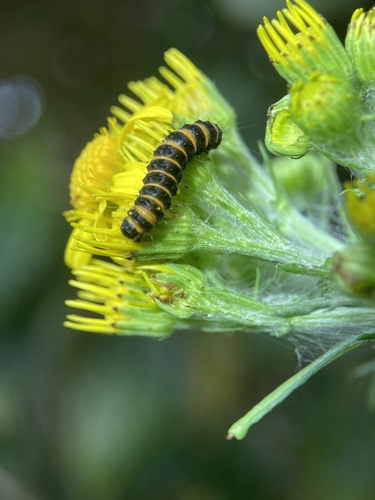
The closest relatives of the Waved Black that you can see in Wadden Sea National Park (family Erebidae, Underwing, Tiger, Tussock, and Allied Moths) are Cinnabar Moth (about 20%), Brown-Tail Moth (about 20%) and Ruby Tiger Moth (about 10%), with each one's daily chance of a sighting.

Where does the Waved Black sighting chance come from?

GBIF citizen-science records

It is estimated from how often the Waved Black is recorded against all the insects logged in Wadden Sea National Park (13 verified sightings from 2019 to 2026), calibrated against known sighting rates. Figures are rounded to the nearest 10% because citizen-science data supports honest approximations, not decimals, and months with records from fewer than five people show "—". How it works.

← Back to Wadden Sea National Park