Chryxus Arctic

Chryxus Arctic

Oeneis chryxus

Daily sighting probability ~10% · With luck
at Yosemite National Park

In 3 days ~20% in a week ~50%

44 Verified sightings at Yosemite National Park From 2019 to 2026
144 In all 7 parks
July Best month
☀️ Diurnal When it's spotted

About the Chryxus Arctic

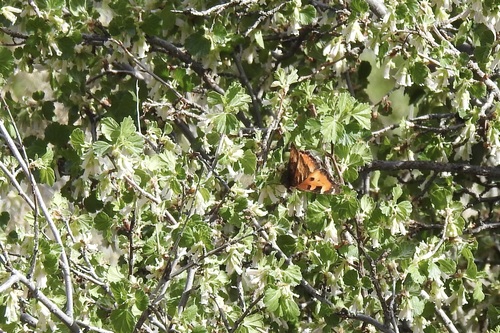
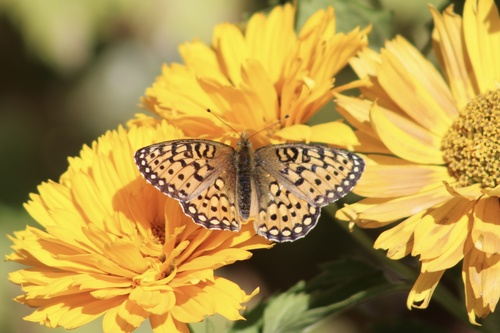
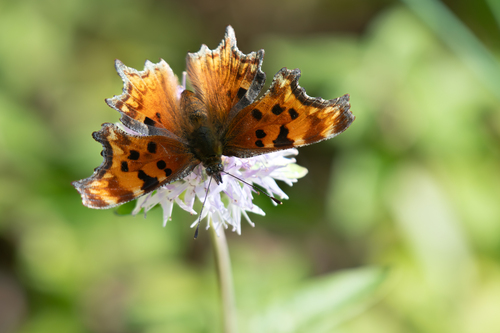
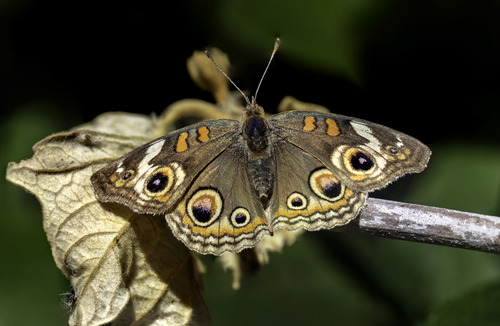
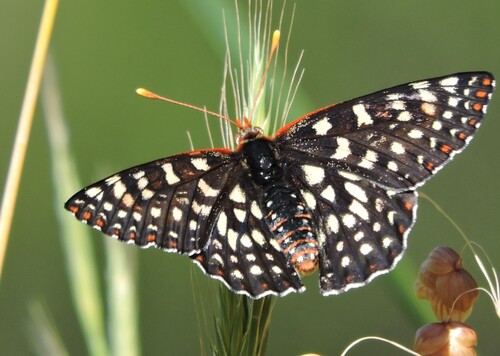
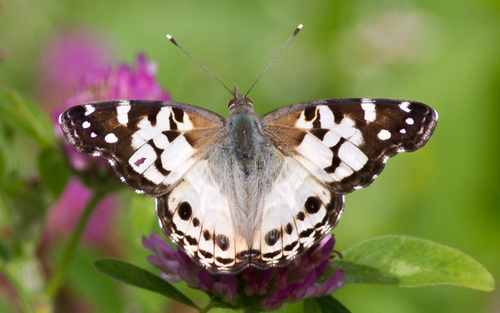
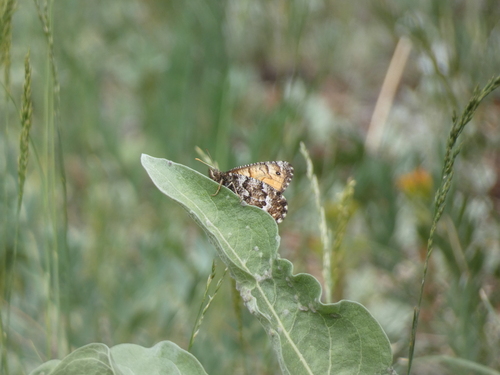
Oeneis chryxus, the chryxus Arctic or brown Arctic, is a butterfly of subfamily Satyrinae found in the far northwest regions of Canada and the United States. The brown Arctic has highly variable colorings, which tend toward light yellow to orange brown wings that help camouflage it against its mountainous rocky habitat. The larvae feed on local grasses and take two years to develop. This longer development period results in flights of adult brown Arctics only once every two years. The butterflies feed on nectar from various plants as their primary food source.

The males exhibit lek territoriality by defending desired territories from other males by challenging them to sparring flights for access to females. The females exhibit hilltopping behavior for finding mates, flying from meadows to higher elevated ridges where they are more likely to find males.

Climate change, as well as human activity, has been threatening the habitats of this species. The range of the brown Arctic has been found to spread across the far northwest of North America, including West Alberta, South British Columbia, Idaho, Montana, Wyoming, Colorado, Utah, Nevada, New Mexico, Alaska, and... Wikipedia →
Global Distribution

Parks Where Found

# Park Country Daily sighting probability
1 Yosemite National Park 🇺🇸 United States
~10%
2 Banff National Park 🇨🇦 Canada
~10%
3 Glacier National Park 🇺🇸 United States
~10%
4 Rocky Mountain National Park 🇺🇸 United States
~10%
5 Jasper National Park 🇨🇦 Canada
~10%
6 Yellowstone National Park 🇺🇸 United States
~10%
7 Olympic National Park 🇺🇸 United States
~10%

Before you go

What are the chances of seeing a Chryxus Arctic in Yosemite National Park?

With luck

About 10% of wildlife watchers report a Chryxus Arctic sighting in Yosemite National Park on a given day, based on 44 verified sightings from GBIF citizen-science data from 2019 to 2026. It is the 69th most-seen of the 227 insects we can rate there. Over three days the chance rises to about 20%, and over a week to about 50%, if each day is a fresh chance.

When is the best time to see a Chryxus Arctic in Yosemite National Park?

July

In that month about 20% of wildlife watchers report a Chryxus Arctic in Yosemite National Park on a given day, against under 5% in September to June, the lowest months. That is one of Yosemite National Park's driest months, with about 25 mm of rain against 220 mm in January.

What time of day is best to see a Chryxus Arctic?

Between 10 am and 1 pm

Across all the parks we cover, that three-hour window holds the most Chryxus Arctic sightings with a recorded time, and about 9 in 10 of them come between 6 am and 6 pm: it is a daytime animal.

Is Yosemite National Park the best place to see a Chryxus Arctic?

Yes

Of the 7 parks where we can rate Chryxus Arctic sightings, Yosemite National Park has the highest daily chance: about 10%. Next come Banff National Park (Canada, about 10%) and Glacier National Park (United States, about 10%).

Which relatives of the Chryxus Arctic live in Yosemite National Park?

Same family: Nymphalidae

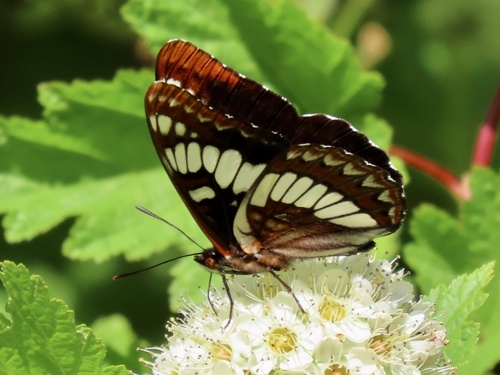
The closest relatives of the Chryxus Arctic that you can see in Yosemite National Park (family Nymphalidae, Brush-footed Butterflies) are Limenitis bredowii (about 40%), California Tortoiseshell (about 30%) and Mormon Fritillary (about 20%), with each one's daily chance of a sighting.

Where does the Chryxus Arctic sighting chance come from?

GBIF citizen-science records

It is estimated from how often the Chryxus Arctic is recorded against all the insects logged in Yosemite National Park (44 verified sightings from 2019 to 2026), calibrated against known sighting rates. Figures are rounded to the nearest 10% because citizen-science data supports honest approximations, not decimals, and months with records from fewer than five people show "—". How it works.

← Back to Yosemite National Park