Juba Skipper

Juba Skipper

Hesperia juba

Daily sighting probability ~10% · With luck
at Zion National Park

In 3 days ~20% in a week ~40%

6 Verified sightings at Zion National Park From 2019 to 2026
18 In all 2 parks
May Best month
☀️ Diurnal When it's spotted

About the Juba Skipper

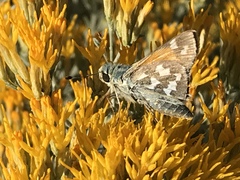
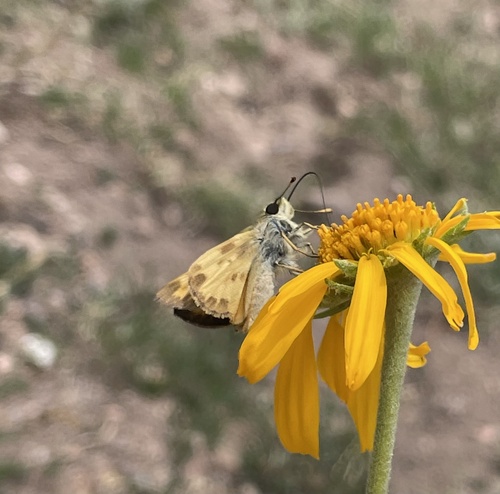
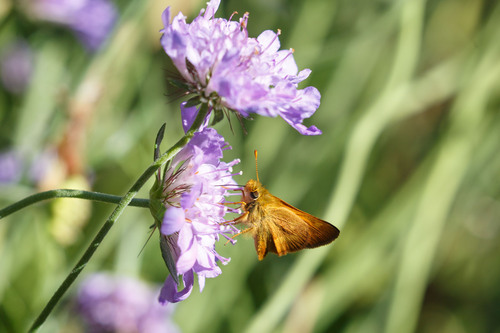
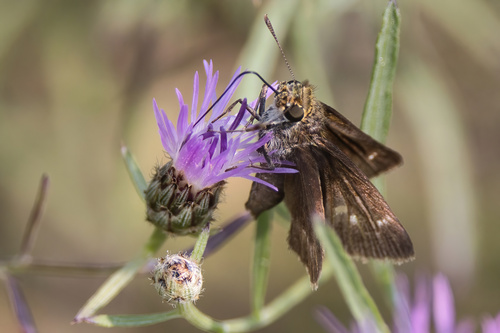
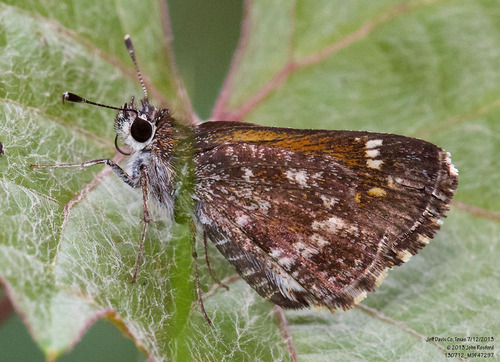
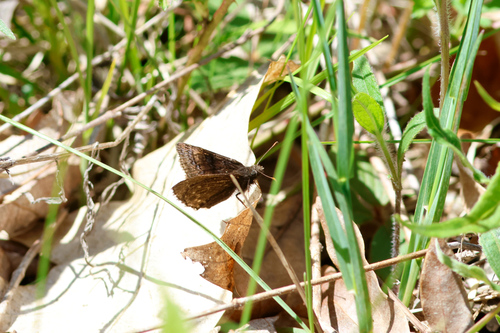
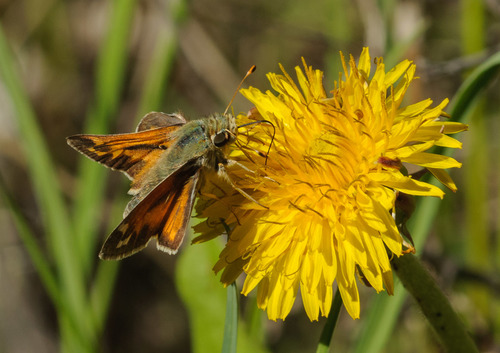
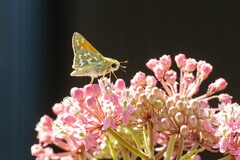
Hesperia juba, the Juba skipper, Yuba skipper, or jagged-border skipper, is a butterfly of the family Hesperiidae. It is found in North America from British Columbia, south to southern California, east to Montana, Wyoming, Colorado, and north-western New Mexico.

The wingspan is 32–42 mm. There are two generations per year with adults on wing from April to June and again from August to October. The larvae feed on Deschampsia elongata, Stipa, Bromus rubens, and Poa pratensis. Adults feed on flower nectar from various flowers, including rabbitbrush.

The Hesperia juba is known for having heavier, more noticeable white markings compared to other types of Hesperia species. It is also known for its unique perching behavior. Hesperia juba males attract females by perching on the ground or on low vegetation in gullies. This is unique to Hesperia juba, as others in the Hesperia genus prefer perching on hilltops or high ridges.

Hesperiidae, or skipper butterflies, typically have large, stout bodies that are disproportionately larger than their wings. These types of butterflies also have hooked antenna tips, as opposed to the clubbed tips that are more common in other butterfly... Wikipedia →
Global Distribution

Parks Where Found

# Park Country Daily sighting probability
1 Zion National Park 🇺🇸 United States
~10%
2 Yosemite National Park 🇺🇸 United States
~10%

Cities Where Found

# City Country Daily sighting probability
1 Salt Lake City 🇺🇸 United States
<5%
2 Portland 🇺🇸 United States
<5%

Before you go

What are the chances of seeing a Juba Skipper in Zion National Park?

With luck

About 10% of wildlife watchers report a Juba Skipper sighting in Zion National Park on a given day, based on 6 verified sightings from GBIF citizen-science data from 2019 to 2026. It is the 91st most-seen of the 114 insects we can rate there. Over three days the chance rises to about 20%, and over a week to about 40%, if each day is a fresh chance.

When is the best time to see a Juba Skipper in Zion National Park?

May

In that month about 20% of wildlife watchers report a Juba Skipper in Zion National Park on a given day, against under 5% in June–September and November–April, the lowest months. That is one of Zion National Park's driest months, with about 20 mm of rain against 75 mm in March.

What time of day is best to see a Juba Skipper?

Between 11 am and 2 pm

Across all the parks we cover, that three-hour window holds the most Juba Skipper sightings with a recorded time, and nearly all of them come between 6 am and 6 pm: it is a daytime animal.

Is Zion National Park the best place to see a Juba Skipper?

Yes

Of the 2 parks where we can rate Juba Skipper sightings, Zion National Park has the highest daily chance: about 10%. Next come Yosemite National Park (United States, about 10%).

Which relatives of the Juba Skipper live in Zion National Park?

Same family: Hesperiidae

The closest relatives of the Juba Skipper that you can see in Zion National Park (family Hesperiidae, Skippers) are Rocky Mountain Duskywing (about 10%), Taxiles Skipper (about 10%) and Woodland Skipper (about 10%), with each one's daily chance of a sighting.

Where does the Juba Skipper sighting chance come from?

GBIF citizen-science records

It is estimated from how often the Juba Skipper is recorded against all the insects logged in Zion National Park (6 verified sightings from 2019 to 2026), calibrated against known sighting rates. Figures are rounded to the nearest 10% because citizen-science data supports honest approximations, not decimals, and months with records from fewer than five people show "—". How it works.

← Back to Zion National Park