
Chorus Cicada

Chorus Cicada

Amphipsalta zelandica

Endemic
Daily sighting probability ~20% · Possible
at Abel Tasman National Park

In 3 days ~60% in a week ~90%

35 Verified sightings at Abel Tasman National Park From 2019 to 2026
58 In all 3 parks
February Best month
☀️ Diurnal When it's spotted

About the Chorus Cicada

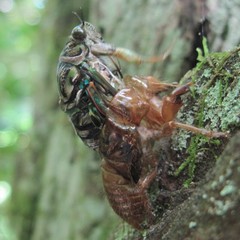
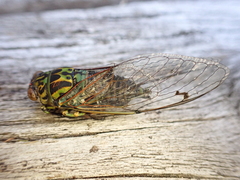
The chorus cicada, Amphipsalta zelandica, is the most common species of cicada in New Zealand, where it is endemic and found in most areas. They typically live in forests and areas with open bush, where their left-over nymph skins can be seen on tree trunks and branches during the summer months. The males produce their cicada sound in unison, which can reach deafening proportions at the height of their population around February. Groups of cicada can suddenly transition from the typical cicada sound to synchronised clicks, using their wings to clap against the surface they are sitting on.

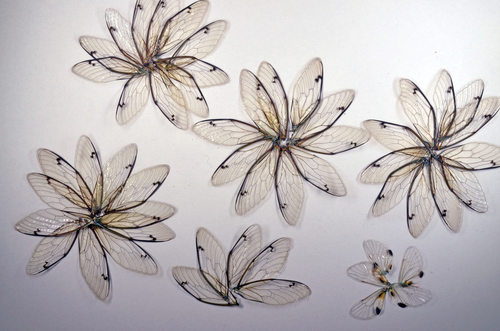
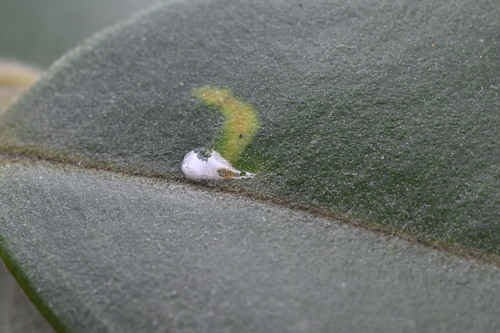
Chorus cicada have a nymph stage before their last molt and become an adult. During this nymph stage they are a soft and creamy white, and very similar looking to the adult form (but without wings). Adults are usually larger than 2 cm in length while the largest species are up to 4 cm; this includes the wings. Chorus cicadas’ wings only appear after molting to become adults, they are membranous with veins, filter out ultraviolet light, and the wing span is about 6 cm.

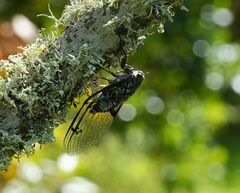
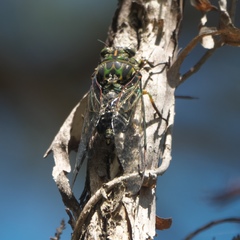
The colour of the chorus cicada can be black/green/brown and many have stripes along their body. The antenna of the... Wikipedia →

Global Distribution

Parks Where Found

# Park Country Daily sighting probability
1 Abel Tasman National Park 🇳🇿 New Zealand
~20%
2 Fiordland National Park 🇳🇿 New Zealand
~10%
3 Egmont National Park 🇳🇿 New Zealand
~10%

Cities Where Found

# City Country Daily sighting probability
1 Auckland 🇳🇿 New Zealand
~10%

Before you go

What are the chances of seeing a Chorus Cicada in Abel Tasman National Park?

Possible

About 20% of wildlife watchers report a Chorus Cicada sighting in Abel Tasman National Park on a given day, based on 35 verified sightings from GBIF citizen-science data from 2019 to 2026. It is the 3rd most-seen of the 64 insects we can rate there. Over three days the chance rises to about 60%, and over a week to about 90%, if each day is a fresh chance.

When is the best time to see a Chorus Cicada in Abel Tasman National Park?

February

In that month about 50% of wildlife watchers report a Chorus Cicada in Abel Tasman National Park on a given day, against under 5% in April to November, the lowest months.

What time of day is best to see a Chorus Cicada?

Between 9 am and noon

Across all the parks we cover, that three-hour window holds the most Chorus Cicada sightings with a recorded time, and about 8 in 10 of them come between 6 am and 6 pm: it is a daytime animal.

Is Abel Tasman National Park the best place to see a Chorus Cicada?

Yes

Of the 3 parks where we can rate Chorus Cicada sightings, Abel Tasman National Park has the highest daily chance: about 20%. Next come Fiordland National Park (New Zealand, about 10%) and Egmont National Park (New Zealand, about 10%).

Which relatives of the Chorus Cicada live in Abel Tasman National Park?

Same order: Hemiptera

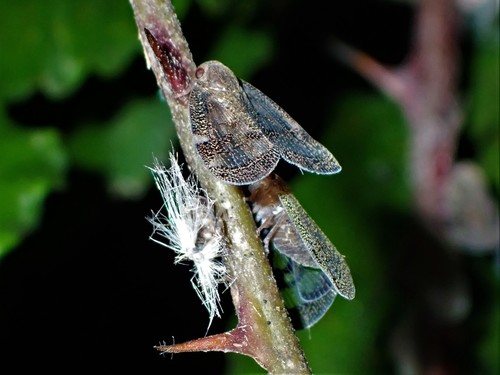
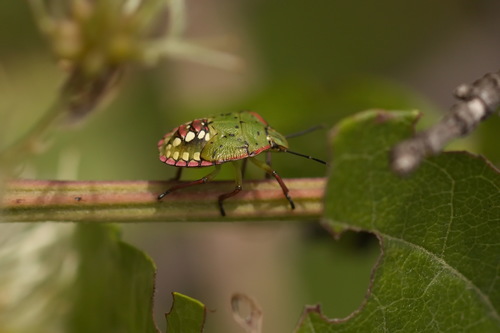
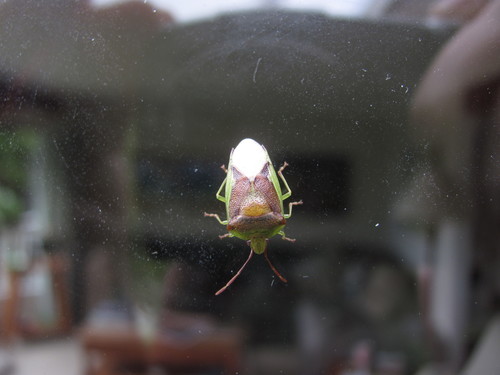
The closest relatives of the Chorus Cicada that you can see in Abel Tasman National Park (order Hemiptera, True Bugs, Hoppers, Aphids, and allies) are Passionvine Hopper (about 20%), Southern Green Stink Bug (about 10%) and Glaucias amyota (about 10%), with each one's daily chance of a sighting.

Where does the Chorus Cicada sighting chance come from?

GBIF citizen-science records

It is estimated from how often the Chorus Cicada is recorded against all the insects logged in Abel Tasman National Park (35 verified sightings from 2019 to 2026), calibrated against known sighting rates. Figures are rounded to the nearest 10% because citizen-science data supports honest approximations, not decimals, and months with records from fewer than five people show "—". How it works.

← Back to Abel Tasman National Park