Abel Tasman National Park
🇳🇿 New Zealand
Oceania, New Zealand 266 spp. recorded
Abel Tasman National Park sits at the northern tip of New Zealand’s South Island, protecting a coastal temperate forest of beech and regenerating scrub bordered by golden sand beaches and granite cliffs. Unlike the alpine terrain found in other southern reserves, this protected strip features sheltered tidal estuaries and calm coastal waters that merge directly with dense coastal greenery.
-40.909° S 172.974° E
🦜 Nature

111 Species sighted
14,076 Verified sightings From 2019 to 2026
Jan Best month
⭐ Iconic Species




📊 Most Spotted


⭐ Iconic Species
📊 Most Spotted


⭐ Iconic Species
📊 Most Spotted


📊 Most Spotted
📊 Most Spotted


+ 189 more species with insufficient data
Recent sightings in Abel Tasman National Park
LIVEiNaturalistSighting Calendar
How many species you'd see in a day
26Jan
23Feb
21Mar
23Apr
20May
20Jun
21Jul
17Aug
18Sep
21Oct
20Nov
25Dec
Sighting Zones
Warmer areas are where all species together are recorded most often.
-
Takaka—Lake Killarney





🏕️ Experience
Essentials
Entrance
Free
Tourism
High
Typical stay
1–2
daysTrails
Hard
World Heritage
No
Climate
Temp °C Rain mm
JanFebMarAprMayJunJulAugSepOctNovDec
0.0 Moderate
Wallace's Line Score
How good is this park for seeing wildlife? 🦜
Biodiversity
GoodHow rich is the wildlife?
2.9
Species by taxon
🦅 Birds 199
🐒 Mammals 55
🦎 Reptiles 10
🐸 Amphibians 2
266 Total Species
828 Global average across 316 parks
44 Threatened 63 Endemic
🔭
Sighting
GoodHow likely to see animals?
2.3
🎯
Top-12 Avg Probability
62% 📊
Coverage (65 species at ≥5% of 266 in the inventory)
24% 🔀
Taxon variety in top 12 (12 bird)
0% 🔭
Species per 10 outings (distinct species a visitor would meet over 10 outings — effort held equal across parks)
48 🌟
Iconic-group species (≥15%) (every species from the 19 iconic groups — monkeys, cats, toucans, macaws, sloths, crocodilians… — not just the 4 highlighted above)
2 ⭐
High-prob species (>40%)
17 🏕️
Experience
GoodHow easy and pleasant is the visit?
2.8
Climate Harsh Low
Entrance Free High
Tourism High Low
Trails Hard Low
World Heritage No —
What visitors say
We knew the weather would shift late in the afternoon and the wind would increase but we were optimistic we could get to camp in plenty of time so we explored the islands and watched the seals from a respectful distance.
We also saw a few more fur seals basking in the sun and some guys fishing in the water.
While crossing the bridge we spotted a large school of small fish on either side being chased by an extremely persistent cormorant.
I saw so many seals, laying out on the rocks or bobbing along in the water near the shore.
Before you go
What animals can you see in Abel Tasman National Park?
266 species
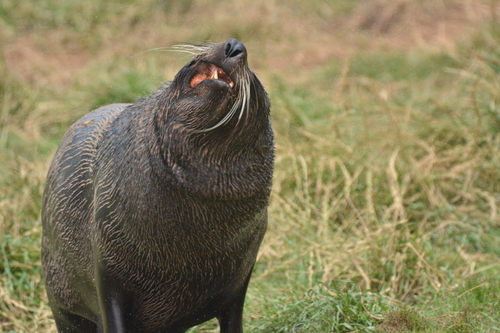
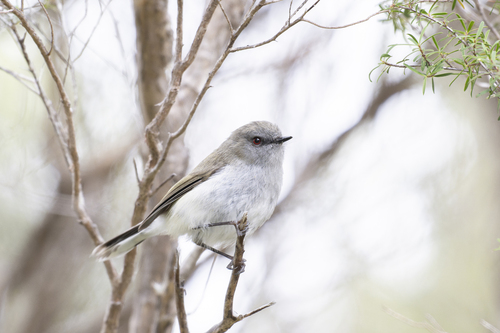
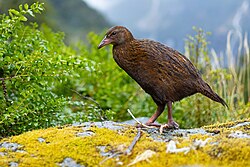
Abel Tasman National Park has 266 recorded vertebrate species. The ones wildlife watchers report most often on a given day are Weka (about 80%), New Zealand Fantail (about 70%), Dominican Gull (about 70%), New Zealand Bellbird (about 70%) and Tūī (about 60%). Among mammals, the most-seen is Long-nosed Fur Seal (about 40%); among reptiles, Common gecko (about 10%).
When is the best time to visit Abel Tasman National Park for wildlife?
April and July
In those months the park's 12 most-seen species average about 70% on a given day, against about 50% in September.
Can you see a VOC in Abel Tasman National Park?
Yes
About 60% of wildlife watchers report a VOC sighting in Abel Tasman National Park on a given day, based on 679 verified sightings from GBIF citizen-science data from 2019 to 2026. The best time is February and July (about 80%).
Can you see a Long-nosed Fur Seal in Abel Tasman National Park?
Yes
About 40% of wildlife watchers report a Long-nosed Fur Seal sighting in Abel Tasman National Park on a given day, based on 76 verified sightings from GBIF citizen-science data from 2019 to 2026. The best time is June (about 60%).
Can you see a White-headed Stilt in Abel Tasman National Park?
Yes
About 20% of wildlife watchers report a White-headed Stilt sighting in Abel Tasman National Park on a given day, based on 111 verified sightings from GBIF citizen-science data from 2019 to 2026. The best time is May–June and December–March (about 20%).
Where in Abel Tasman National Park is wildlife easiest to see?
Around Anchorage Hut
The richest sighting zone is around Anchorage Hut, followed by Totaranui and Marahau Estuary, ranked by how many of the park's headline animals visitors can expect to see in each. See the zones on the map.
Is Abel Tasman National Park good for wildlife watching?
2.5 out of 5
On the Wallace's Line Score, Abel Tasman National Park rates 2.5/5: 315th of 316 parks worldwide and 29th in Oceania. 19 of its species are reported by about 40% or more of wildlife watchers on a given day.


