Green Burgundy Stink Bug

Green Burgundy Stink Bug

Banasa dimidiata

Daily sighting probability ~10% · With luck
at Acadia National Park

In 3 days ~10% in a week ~30%

8 Verified sightings at Acadia National Park From 2019 to 2026
8 In 1 park
August Best month
☀️🌙 Day & Night When it's spotted

About the Green Burgundy Stink Bug

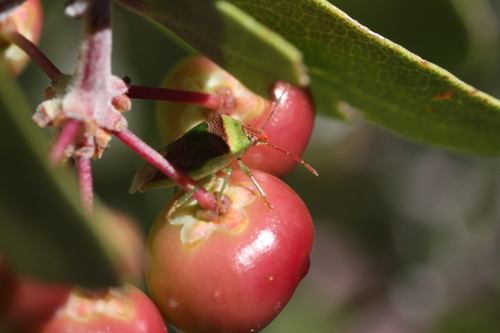
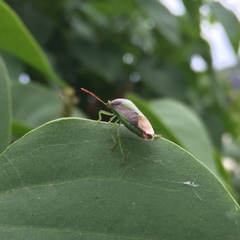
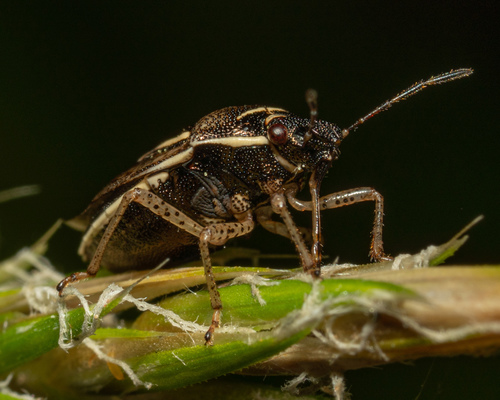
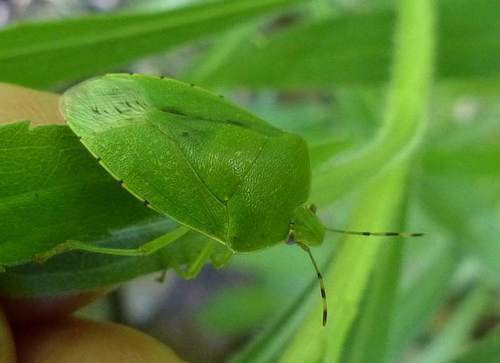
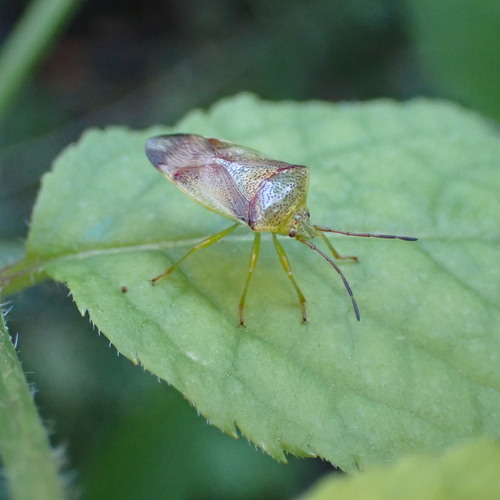
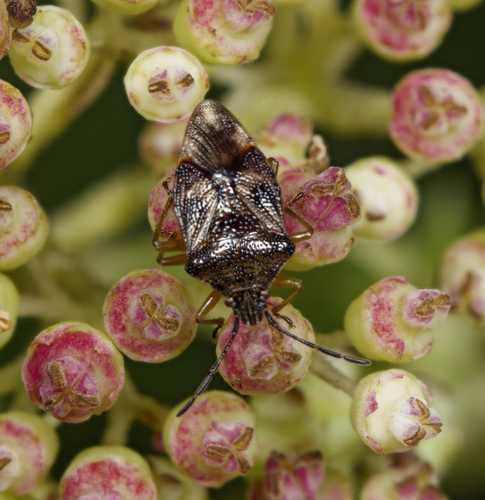
Banasa dimidiata, the green burgundy stink bug, is a species of stink bug. It is found in Canada and the United States. Banasa dimidiata has a distinctive shield-shaped body, characteristic of the stink bug family (Pentatomidae). Its adult size ranges 8.5 mm to 11.0 mm. Its primary color is a vibrant green which helps it blend in with foliage, while the lower portions of its wings and the rear of its body exhibit a burgundy-brown hue. The transition between the green and burgundy sections is often smooth but can appear slightly iridescent. Its legs are a matching green. The antennae are long end in a reddish-brown color. Its eyes are small, round and dark, positioned on the sides of its head. The texture of its exoskeleton is smooth with a slight sheen, making it appear somewhat glossy in well-lit conditions.

The range extends trans-continentally from British Columbia to Nova Scotia in Canada, down through the United States from California to Texas to Florida, and into Mexico. It is mostly observed from April to October, with the largest amount observed during June and July.

This particular species is a plant feeder and is found on a wide... Wikipedia →

Global Distribution

Parks Where Found

# Park Country Daily sighting probability
1 Acadia National Park 🇺🇸 United States
~10%

More parks will be added in future updates.

Cities Where Found

# City Country Daily sighting probability
1 Vancouver 🇨🇦 Canada
~10%
2 Edmonton 🇨🇦 Canada
~10%
3 Dallas 🇺🇸 United States
~10%
4 Calgary 🇨🇦 Canada
~10%
5 Seattle 🇺🇸 United States
~10%
6 Montreal 🇨🇦 Canada
~10%
7 Austin 🇺🇸 United States
<5%
8 Portland 🇺🇸 United States
<5%
9 Toronto 🇨🇦 Canada
<5%
10 Minneapolis [Saint Paul] 🇺🇸 United States
<5%

Before you go

What are the chances of seeing a Green Burgundy Stink Bug in Acadia National Park?

With luck

About 10% of wildlife watchers report a Green Burgundy Stink Bug sighting in Acadia National Park on a given day, based on 8 verified sightings from GBIF citizen-science data from 2019 to 2026. It is the 270th most-seen of the 405 insects we can rate there. Over three days the chance rises to about 10%, and over a week to about 30%, if each day is a fresh chance.

When is the best time to see a Green Burgundy Stink Bug in Acadia National Park?

June, August and October

In those months about 10% of wildlife watchers report a Green Burgundy Stink Bug in Acadia National Park on a given day, against under 5% in July, September and November–May, the lowest months.

What time of day is best to see a Green Burgundy Stink Bug?

Between 10 am and 1 pm

Across all the parks we cover, that three-hour window holds the most Green Burgundy Stink Bug sightings with a recorded time, and about 6 in 10 of them come between 6 am and 6 pm: it is seen both by day and at night.

Where else can you see a Green Burgundy Stink Bug?

Only Acadia National Park, in our data

Acadia National Park is the only park on Wallace's Line with enough records to rate Green Burgundy Stink Bug sightings: about 10% of wildlife watchers there report one on a given day.

Which relatives of the Green Burgundy Stink Bug live in Acadia National Park?

Same family: Pentatomidae

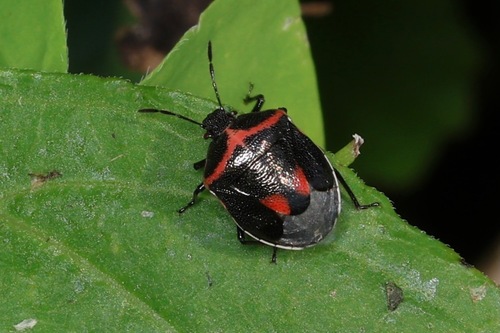
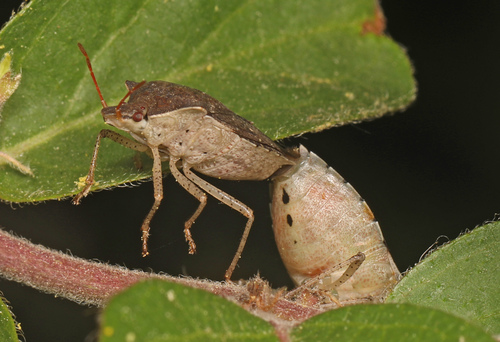
The closest relatives of the Green Burgundy Stink Bug that you can see in Acadia National Park (family Pentatomidae, Stink Bugs) are Twice-Stabbed Stink Bug (about 10%) and Dusky Stink Bug (about 10%), with each one's daily chance of a sighting.

Where does the Green Burgundy Stink Bug sighting chance come from?

GBIF citizen-science records

It is estimated from how often the Green Burgundy Stink Bug is recorded against all the insects logged in Acadia National Park (8 verified sightings from 2019 to 2026), calibrated against known sighting rates. Figures are rounded to the nearest 10% because citizen-science data supports honest approximations, not decimals, and months with records from fewer than five people show "—". How it works.

← Back to Acadia National Park