




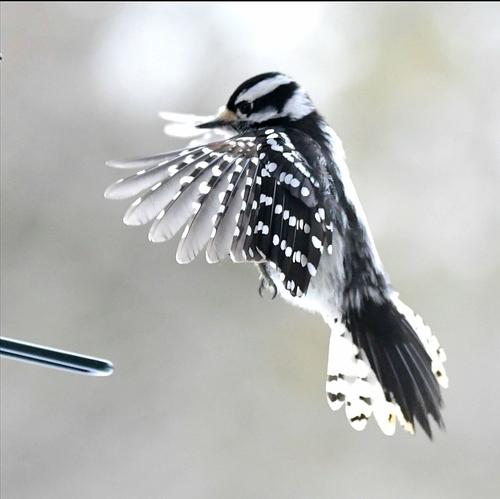








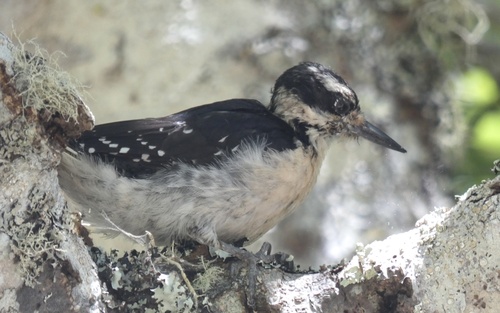


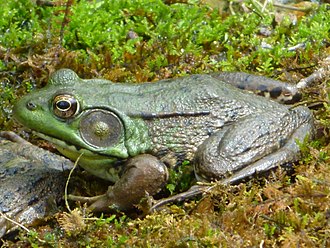


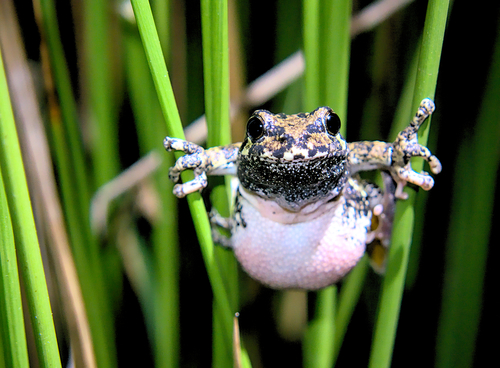


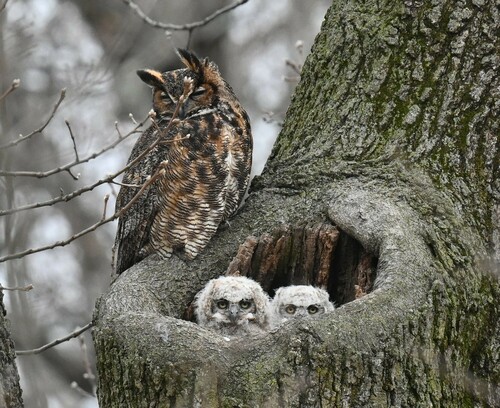


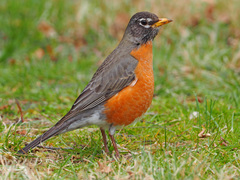
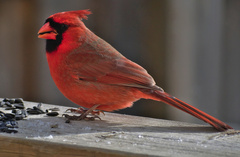


All 4 in 3 days here: ~60%
City
Minneapolis [Saint Paul]
🇺🇸 United States
North America, United States 312 spp. recorded
Minneapolis–Saint Paul is a major metropolitan area built around the confluence of the Mississippi, Minnesota, and St. Croix rivers in east central Minnesota. The area is commonly known as the Twin Cities after its two largest cities, Minneapolis, the state's most populous city. Wikipedia
44.975° N 93.213° W
🦜 Nature

312 Species sighted
605,341 Verified sightings From 2019 to 2026
Jul Best month
⭐ Iconic Species
📊 Most Spotted
📊 Most Spotted
⭐ Iconic Species
📊 Most Spotted
📊 Most Spotted

LC
 Brown Anole
Anolis sagrei
📊 Most Spotted

LC
 Wood Frog
Lithobates sylvaticus

LC
 Greenhouse Frog
Eleutherodactylus planirostris

LC
Tiger Salamander
Ambystoma tigrinum

LC
 Spring Peeper
Pseudacris crucifer
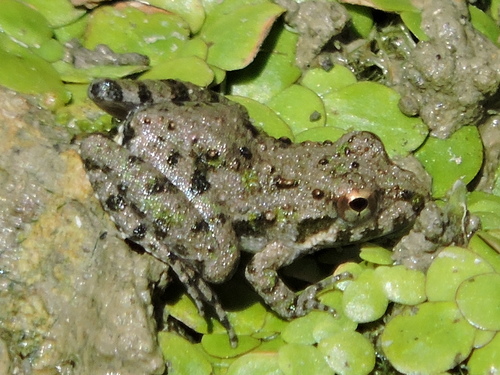
LC
Blanchard's Cricket Frog
Acris blanchardi
📊 Most Spotted
🌙 Most active after dark

LC
 Striped Skunk
Mephitis mephitis

LC Endemic
 Eastern Mud Turtle
Kinosternon subrubrum

NT
 Eastern Whip-poor-will
Antrostomus vociferus
Challenges you can complete here

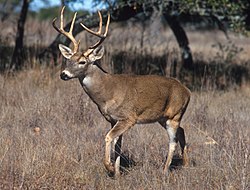


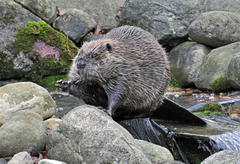
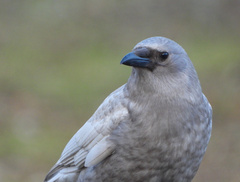
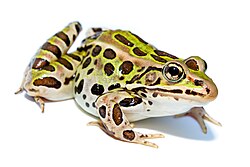
All 3 in 3 days here: ~30%


All 4 in 3 days here: <5%
Recent sightings in Minneapolis [Saint Paul]
LIVEiNaturalistWhere to look
Warmer areas are where all species together are recorded most often.
-
Wood Lake Nature Center
-
Veterans Memorial Park
-
T. S. Roberts Bird Sanctuary
-
Crosby Farm Regional Park





Sighting Calendar
How many species you'd see in a day
19Jan
19Feb
24Mar
33Apr
50May
57Jun
59Jul
59Aug
56Sep
42Oct
27Nov
21Dec
🏙️ City
Essentials
Green cover
High
Protected land
0.5%
Protected sea
—
Protected areas
34
areasWildlife spots
12
spotsZoos & centres
5
placesClimate
Continental
World Heritage
No
Climate
Temp °C Rain mm
JanFebMarAprMayJunJulAugSepOctNovDec
Zoos & rescue centres


0.0 Excellent
Wallace's Line Score
How good is this city for seeing wildlife? 🦜
Biodiversity
Very goodHow rich is the wildlife?
4.1
Species by taxon
🦅 Birds 415
🐒 Mammals 68
🦎 Reptiles 44
🐸 Amphibians 25
552 Total Species
679 Global average across 380 cities
20 Threatened 10 Endemic
🔭
Sighting
Very goodHow likely to see animals?
4.2
🎯
Top-12 Avg Probability
65% 📊
Coverage (110 species at ≥5% of 552 in the inventory)
20% 🔀
Taxon variety in top 12 (11 bird, 1 mammal)
20% 🌟
Iconic-group species (≥15%) (every species from the 19 iconic groups — monkeys, cats, toucans, macaws, sloths, crocodilians… — not just the 4 highlighted above)
3 ⭐
High-prob species (>40%)
19 🏕️
Experience
ExcellentHow easy and pleasant is the visit?
4.0
Climate Mixed Medium
Green cover High High
Protected land & sea 0.5% land Low
Protected areas 34 High
Wildlife spots 12 High
Zoos & centres 5 High
What visitors say
Before you go
What animals can you see in Minneapolis [Saint Paul]?
312 species
Minneapolis [Saint Paul]'s urban area has 312 recorded vertebrate species. The ones wildlife watchers report most often on a given day are American Robin (about 80%), Northern Cardinal (about 80%), Black-capped Chickadee (about 70%), Downy Woodpecker (about 70%) and Blue Jay (about 70%). Among mammals, the most-seen is Eastern Gray Squirrel (about 60%); among reptiles, Painted Turtle (about 40%); among amphibians, American Toad (about 40%).
When is the best time to see wildlife in Minneapolis [Saint Paul]?
February–May and September–December
In those months the city's 12 most-seen species average about 70% on a given day, against about 60% in January and June–August.
Can you see a Northern Cardinal in Minneapolis [Saint Paul]?
Yes
About 80% of wildlife watchers report a Northern Cardinal sighting in Minneapolis [Saint Paul] on a given day, based on 29,352 verified sightings from GBIF citizen-science data from 2019 to 2026. The best time is February and March (about 90%).
Can you see a Black-capped Chickadee in Minneapolis [Saint Paul]?
Yes
About 70% of wildlife watchers report a Black-capped Chickadee sighting in Minneapolis [Saint Paul] on a given day, based on 24,828 verified sightings from GBIF citizen-science data from 2019 to 2026. The best time is January and February (about 90%).
Can you see a Blue Jay in Minneapolis [Saint Paul]?
Yes
About 70% of wildlife watchers report a Blue Jay sighting in Minneapolis [Saint Paul] on a given day, based on 22,653 verified sightings from GBIF citizen-science data from 2019 to 2026. The best time is September (about 90%).
Where in Minneapolis [Saint Paul] is wildlife easiest to see?
Wood Lake Nature Center
The spot where most wildlife watchers record their sightings is Wood Lake Nature Center (194 bird species recorded), followed by Veterans Memorial Park and T. S. Roberts Bird Sanctuary. See them on the map.
Is Minneapolis [Saint Paul] good for wildlife watching?
4.2 out of 5
On the Wallace's Line Score, which rates each city against other cities, Minneapolis [Saint Paul] gets 4.2/5: 171st of 380 cities worldwide and 21st in North America. 22 of its species are reported by about 40% or more of wildlife watchers on a given day.
Nearest Cities


Nearest Parks


Nearest Zoos & Centres
Sources: urban area GHSL Urban Centre Database R2024A, European Commission JRC (CC BY 4.0) · protected land WDPA, UNEP-WCMC & IUCN (via GHSL) · climate NASA POWER · wildlife GBIF.org citizen-science data